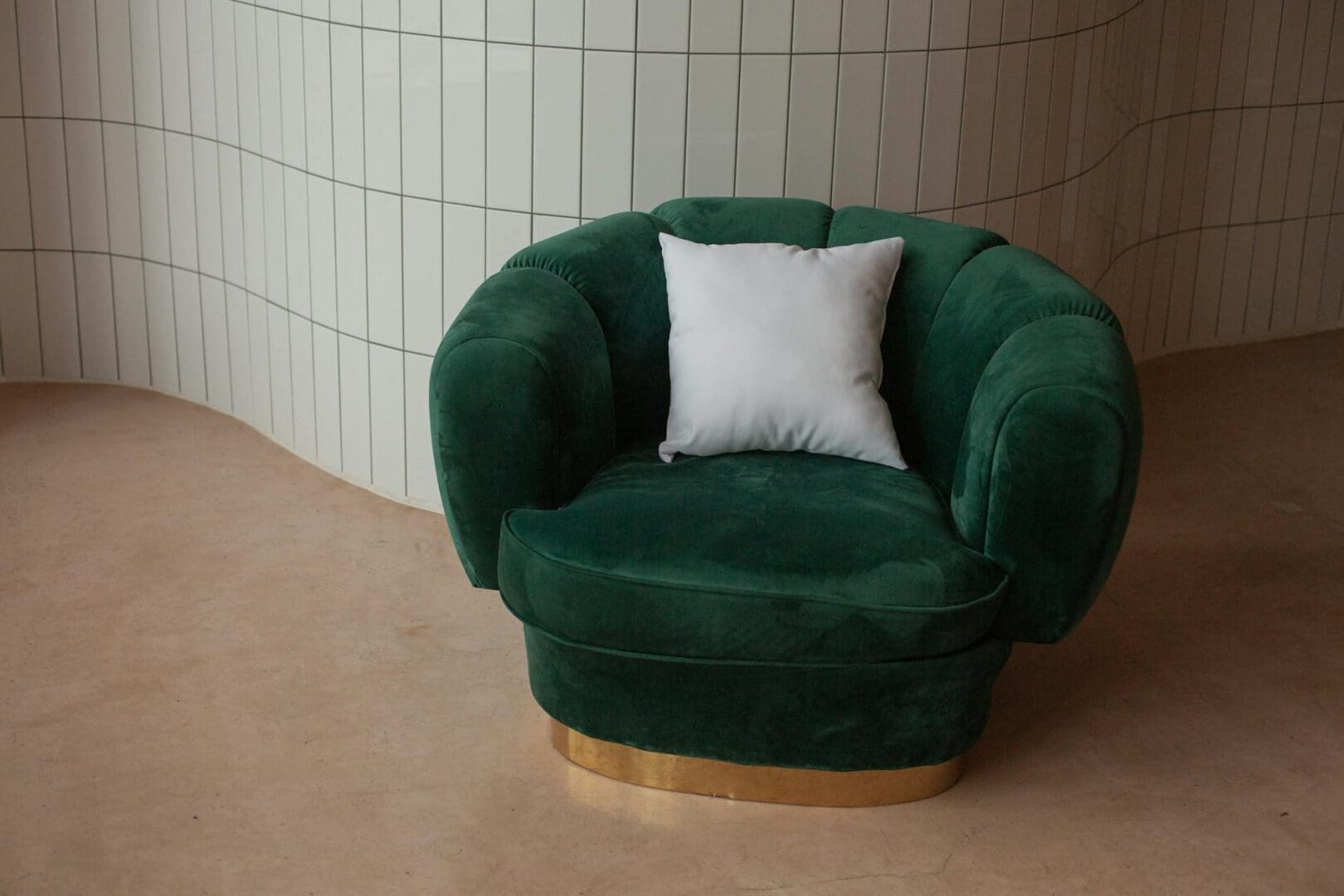
That vintage accent chair you snagged at an estate sale has great bones, but the upholstery is dated or worn. Or maybe you have a perfectly good chair that just doesn’t match your current decor anymore. Before you toss it to the curb or spend hundreds on professional reupholstery, consider tackling it yourself. With the right approach and realistic expectations, you can transform an accent chair for a fraction of the cost.
When DIY Reupholstery Makes Sense (and When It Doesn’t)
Not every chair is a good candidate for DIY reupholstery. Simple accent chairs with removable seats, slipper chairs, or basic armless styles are perfect beginner projects. These typically require 3-5 yards of fabric and minimal staple removal. Wingback chairs, tufted pieces, and anything with intricate curves or pleating? Those are best left to professionals unless you’re genuinely committed to learning advanced techniques.
Check the chair’s structure first. If the frame is wobbly or the springs are shot, you’ll need repairs before new fabric makes sense. A solid hardwood frame is worth the reupholstery effort, while particle board probably isn’t. The test: if the chair was originally well-made, it deserves a second life.
What You’ll Actually Spend
Here’s where budget reupholstery gets real. Fabric is your biggest expense, running anywhere from $15-$60 per yard depending on quality and fiber content. For a simple accent chair needing 4 yards, that’s $60-$240. Cotton canvas and linen blends offer the best value for durability, while performance fabrics in the $30-40 per yard range give you stain resistance without luxury pricing.
Beyond fabric, you’ll need a staple gun (around $20-30 if you don’t own one), upholstery staples ($8), batting or foam if the original padding is compressed ($15-40), and basic tools like a flathead screwdriver, pliers, and scissors you probably already have. Budget about $100-300 total for your first project, compared to $300-800 for professional reupholstery.
One money-saving tip: check fabric stores for upholstery remnants or end-of-bolt pieces. You might score premium fabric at 50% off if you’re flexible on pattern placement.
The Process: Simpler Than You Think
The basic reupholstery method involves removing the old fabric carefully (it becomes your pattern), assessing and replacing padding if needed, cutting your new fabric using the old pieces as templates, and stapling everything back in reverse order of removal. YouTube has countless tutorials showing the exact process for different chair styles.
The key is patience during staple removal. Use a flathead screwdriver and pliers to pull out old staples without damaging the wood frame. Take photos as you disassemble so you remember how pieces layer together. Most people can complete a simple chair in a weekend, working a few hours each day.
If your chair has exposed wood arms or legs, consider this your opportunity to refresh them too. A light sanding and furniture marker can hide scratches, while a coat of stain or paint creates a completely custom look for minimal additional cost.
Knowing Your Limits
Even on a budget, some things are worth outsourcing. If you discover broken springs or a frame that needs regluing, a furniture repair shop can handle structural work for $50-150, and you can still do the fabric yourself. Some fabric stores offer cutting services to ensure you’re working with straight, properly measured pieces.
And honestly? If you get halfway through and realize you’re in over your head, there’s no shame in taking your disassembled chair and new fabric to an upholsterer to finish. You’ve already saved money on materials markup.
Reupholstering an accent chair yourself isn’t just about saving money—it’s about creating something uniquely yours and giving quality furniture a longer life. Start with a structurally sound chair, choose durable fabric that fits your skill level, and give yourself grace on that first project. Even if your corners aren’t perfect, you’ll have a refreshed piece that cost you considerably less than buying new, and you’ll know exactly how it was made.
There’s nothing quite like settling in for movie night at home, but harsh overhead lighting can ruin the whole experience. Too bright, and you’re squinting at a washed-out screen. Too dark, and you’re fumbling for the remote or straining your eyes. Getting your living room lighting right for movie watching isn’t complicated—it just takes the […]
You probably reach for your phone to change the temperature, lock your doors, or check who’s at the front door—so why are you still walking across the room to flip light switches? Smart lighting transforms your living room from a space with basic on-off switches into one that adapts to movie nights, dinner parties, reading […]
A chandelier can transform your living room from ordinary to unforgettable, but choosing the wrong size or style can throw off your entire space. Unlike task lighting that quietly does its job, a chandelier makes a statement—which means getting it right matters. Whether you’re working with vaulted ceilings or a cozy 10×12 room, here’s how […]