Your dining table shouldn’t sit there looking bare and uninviting between meals. Whether you’re setting up a new space or refreshing your current look, knowing how to style your dining table can transform it from purely functional to a focal point that makes every meal feel a bit more special. The good news? You don’t need a design degree or a massive budget to get it right.
Start With a Foundation Layer
Think of styling your table like getting dressed—you need a solid foundation before adding the fun stuff. A table runner or tablecloth creates that base layer and sets the tone for everything else. Linen and cotton tablecloths work beautifully for everyday styling and typically run $30-$80 for quality options. If you prefer showing off your table’s wood grain, a simple runner down the center adds visual interest without covering the whole surface.
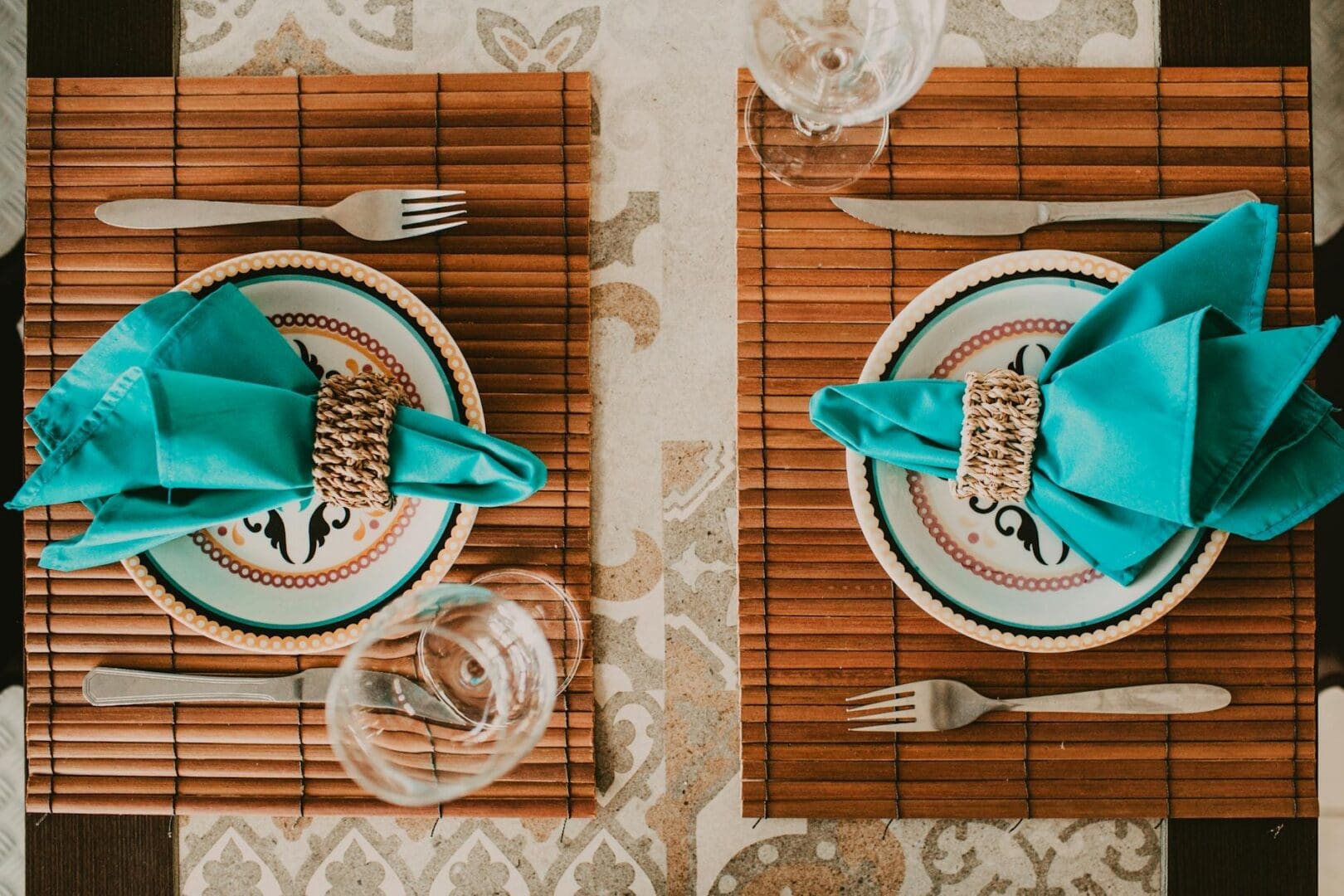
For a more relaxed approach, consider placemats instead. Woven jute or rattan placemats bring organic texture and work especially well with modern farmhouse or coastal styles. Fabric placemats in neutral tones give you versatility to switch up your look seasonally. Budget-friendly placemats start around $20-$40 for a set of four, while designer options in leather or handwoven materials can reach $100-$150.
Create a Centerpiece That Actually Works
The biggest mistake people make with dining table centerpieces? Going too tall or too wide. Your centerpiece should never block sight lines across the table—nobody wants to peer around a massive floral arrangement during dinner conversation.
Low, long arrangements work better than tall ones for most tables. A wooden dough bowl filled with seasonal elements like pinecones, lemons, or decorative spheres creates an interesting focal point that stays under 6 inches tall. These bowls typically cost $40-$120 depending on size and wood type. Alternatively, group three different-height candlesticks together for a classic look that costs $60-$150 for quality pieces.
For rectangular tables over 6 feet long, you can use multiple smaller arrangements spaced along the center rather than one large piece. Try two or three small bud vases with single stems, or a series of hurricane candle holders in varying heights. This approach feels more organic and gives you flexibility to remove pieces when you need more serving space.
Layer in Texture and Dimension
Professional stylists know the secret is mixing materials and heights. Combine smooth ceramic with rough wood, shiny metal with matte linen. This contrast keeps the eye moving and makes your table feel intentionally designed rather than randomly decorated.
Consider adding these textural elements:
A ceramic or wooden bowl as a catch-all for seasonal items you can swap out easily
Woven chargers under your everyday plates to add dimension without extra effort
Brass or pewter candlesticks for a touch of shine against natural wood tones
A small potted plant or succulent arrangement for living texture
Linen napkins in napkin rings left casually at each place setting
You don’t need all of these at once—pick two or three elements that speak to your style. Budget-conscious shoppers can create this layered look for $100-$200 total, while investing in heirloom-quality pieces like solid brass candlesticks or handmade ceramics might run $300-$500.
Keep It Practical for Daily Life
Here’s the reality: your styled table needs to work for actual meals, homework sessions, and weekend coffee. The best approach is creating a look that’s about 80% permanent with 20% flexibility.
Keep your runner or placemats in place along with a simple centerpiece that’s easy to shift to one side when you need the full table surface. Store your taller or more delicate decorative pieces nearby so you can add them when guests come over but keep things simpler day-to-day. A low tray corrals your centerpiece elements and makes the whole arrangement easy to move as one piece.
Your dining table sets the mood for one of the most important gathering spaces in your home. By starting with a good foundation, choosing a sight-line-friendly centerpiece, and layering in different textures, you’ll create a look that feels pulled together without being too precious to actually use. The key is finding that balance between beautiful and livable—and now you know exactly how to do both.
Did You Know? The Declaration of Independence Was Likely Written in a Windsor Chair As America celebrates 250 years of independence, it’s worth looking at one of the quieter witnesses to that history: the humble Windsor chair. Thomas Jefferson is said to have drafted the Declaration of Independence while seated in an unusual revolving Windsor […]
Shopping for a dining table when you have a family of six means you need something that works for Tuesday night homework sessions, weekend pancake breakfasts, and holiday dinners with grandparents—all without taking over your entire dining room. The right table makes family life easier. The wrong one? You’ll feel it every single day. Let’s […]
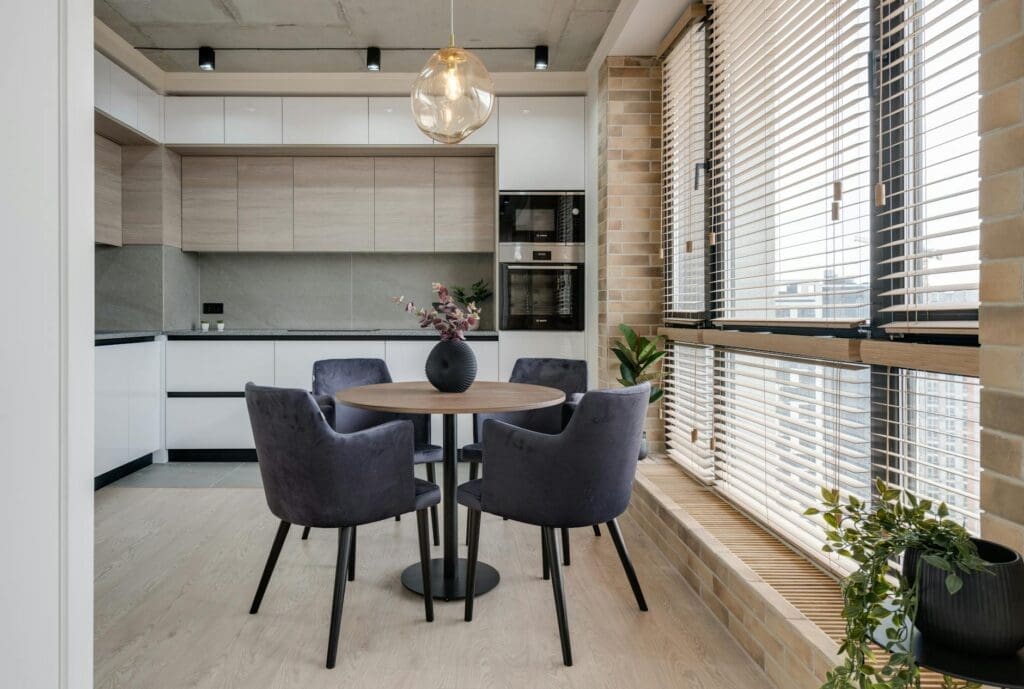
If you’re working with a compact dining area, you’ve probably already discovered that square and rectangular tables can feel like furniture Tetris. Round dining tables are often the smartest solution for small spaces—they eliminate sharp corners that eat up valuable square footage, create better traffic flow, and somehow make a room feel more spacious even […]