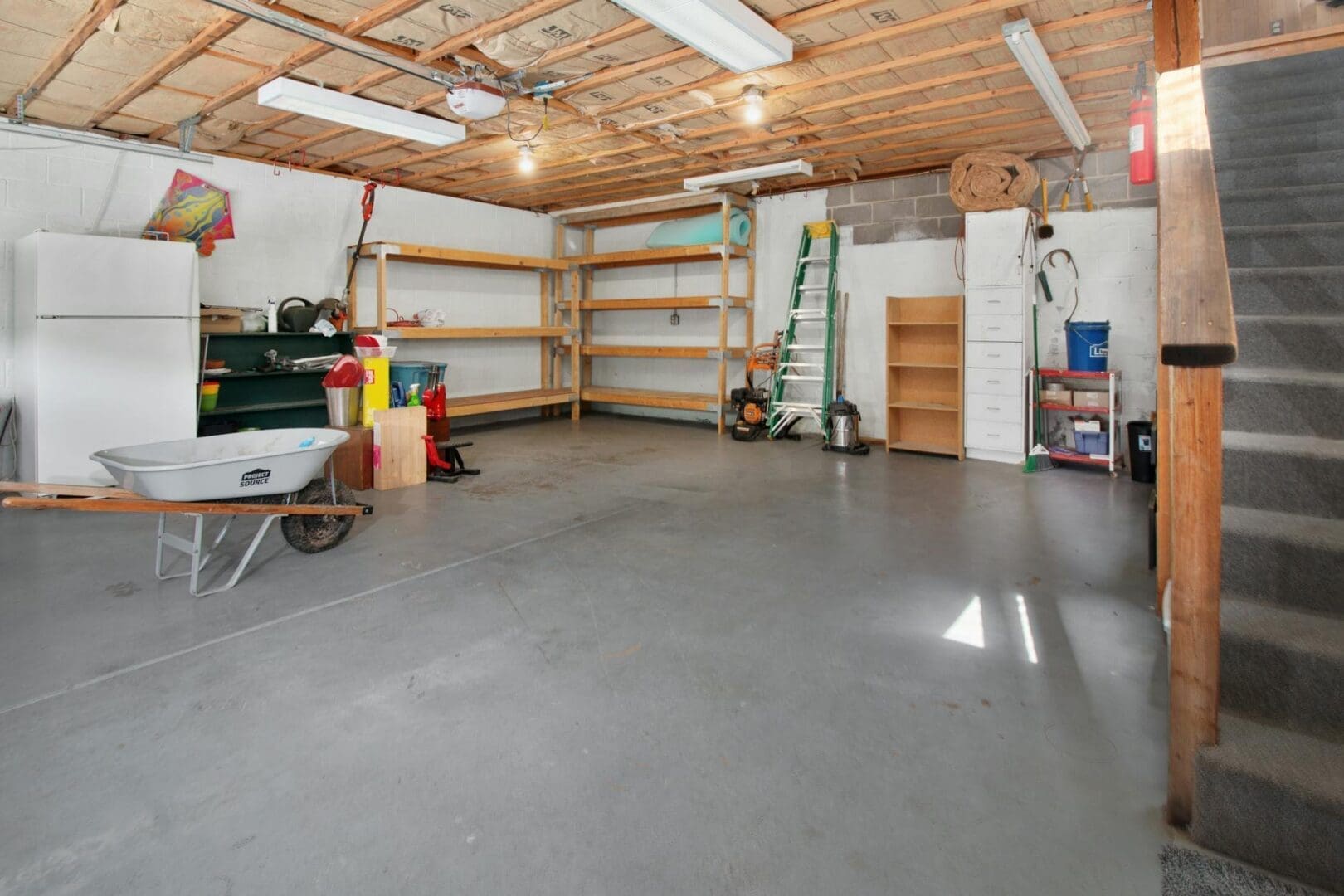
Your garage has potential beyond just parking cars and storing holiday decorations. Whether you’re into woodworking, metalwork, crafts, or general home repairs, transforming that space into a dedicated workshop can give you room to actually complete projects instead of just thinking about them. The good news? You don’t need a massive budget or a complete renovation to make it happen.
Planning Your Layout and Work Zones
Before you buy a single tool cabinet, measure your garage and sketch out a basic floor plan. Most single-car garages offer about 200 square feet of space, while two-car garages give you roughly 400-500 square feet to work with. Consider whether you’ll still park a car inside, which immediately changes your storage approach.
Think in zones: a primary work area with your main workbench, a tool storage zone, a materials storage area, and an assembly or finishing space if room allows. Wall-mounted systems free up floor space, which matters enormously in a garage. Position your main workbench along a wall with good lighting, ideally near electrical outlets. If you’re working with loud tools, consider placing noisier equipment toward the back of the garage, away from shared walls with living spaces.
Budget around $300-600 for basic layout essentials like pegboard systems, overhead storage racks, and a foundational workbench. Mid-range setups with modular cabinets and better workbenches run $1,000-2,500, while comprehensive custom systems can exceed $5,000.
Choosing the Right Workbench
Your workbench anchors everything. For light-duty work like electronics or crafts, a 48-inch bench with a wood or MDF top works fine and costs $150-300. Most hobbyists doing woodworking or home repairs need something sturdier: look for benches 60-72 inches long with hardwood or bamboo tops at least 1.5 inches thick, typically running $400-800.
Heavy-duty woodworkers should invest in benches with vises, dog holes, and rock-solid construction from hardwood like maple or beech. These professional-grade benches start around $1,200 but last decades. Adjustable-height workbenches (around $500-1,000) make sense if multiple people use the space or if you switch between standing and sitting work.
Don’t overlook storage underneath. Workbenches with built-in drawers and cabinets cost more upfront but eliminate the need for separate storage units. If you’re on a tight budget, a basic workbench plus wall-mounted tool storage gives you more flexibility than an all-in-one unit.
Storage Solutions That Actually Work
Garages accumulate clutter fast, so your storage system needs to be both functional and adaptable. Wall-mounted pegboard remains unbeatable for frequently-used hand tools—you can see everything at a glance, and it costs just $30-60 for an 8-foot section. Metal slatwall systems offer more weight capacity and a cleaner look at $150-400 for similar coverage.
For power tools and supplies, modular garage cabinets range from $600 for basic sets to $3,000+ for comprehensive systems with drawers, cabinets, and specialized storage. Metal cabinets handle humidity and temperature swings better than particle board options. Rolling tool chests ($200-1,500) keep tools mobile and can tuck under workbenches when not needed.
Overhead storage racks mounted to ceiling joists maximize vertical space for lumber, seasonal items, and bulk materials. Expect to spend $100-300 for quality overhead systems rated for 300-600 pounds. Open shelving units (around $80-200 each) work well for organizing bins, paint, and finishing supplies where you need visibility.
Lighting and Climate Considerations
Standard garage lighting is terrible for detail work. Add LED shop lights above your workbench—4-foot fixtures producing 4,000-5,000 lumens cost $40-80 each, and you’ll want at least two for adequate coverage. Task lighting with adjustable arms ($30-100) helps with precision work.
Temperature control matters more than most people realize. Insulating your garage door ($200-500 for DIY kits) makes winter and summer work tolerable. Portable electric heaters ($80-200) and fans ($50-150) handle seasonal extremes without major renovation costs. If you’re applying finishes, maintaining 50-80°F becomes essential for proper curing.
Consider a dehumidifier ($180-300) if you live in humid climates—it protects both your tools from rust and your materials from warping. A simple pegboard-mounted power strip with surge protection ($25-50) keeps your devices safe and cords organized.
Creating a garage workshop comes down to thoughtful planning and prioritizing what you’ll actually use. Start with a solid workbench and basic wall storage, then add specialized storage and climate control as your projects and budget grow. The beauty of garage workshops is their flexibility—you can build them out gradually while still getting work done from day one.
You love the idea of a Persian rug—the craftsmanship, the history, the way it instantly elevates a room. But you’re worried it might look too traditional or clash with your clean-lined sofa and minimalist aesthetic. Here’s the thing: Persian rugs aren’t just for ornate, old-world interiors. When chosen thoughtfully, they bring exactly the kind of […]
Shag rugs have come a long way since their 1970s heyday. Today’s versions offer that same sink-your-toes-in comfort without the avocado green and harvest gold baggage. But here’s the thing: buying a shag rug isn’t quite like picking out other area rugs. The extra pile height means more considerations around maintenance, placement, and materials. Get […]
You’ve measured your space, browsed hundreds of patterns, and now you’re stuck on the most practical question: should you get the 5×8 or spring for the 8×10? It’s not just about numbers—choosing the wrong rug size can throw off your entire room, making furniture look awkward or the space feel disconnected. Let’s walk through exactly […]