Your dining room deserves better than mismatched storage shoved in the corner. Whether you’re wrestling with where to stash those extra serving pieces or tired of looking at cluttered shelves, the right storage can transform your space from chaotic to collected—while looking gorgeous enough to be the focal point of the room.
The secret? Choosing pieces that work as hard on aesthetics as they do on organization. Here’s how to find dining room storage that earns its place in your home.
Match Storage Style to Your Space
Your storage should feel like it belongs, not like an afterthought. Sideboards and buffets work beautifully in traditional and transitional spaces, offering long, low profiles that ground a room without overwhelming it. Look for ones with interesting hardware or wood grain that catches the eye—these details turn a functional piece into a conversation starter.
For modern or contemporary dining rooms, consider sleek credenzas with clean lines and minimal ornamentation. Mid-century inspired pieces with tapered legs create visual lightness while still providing ample storage. Glass-front cabinets and china hutches suit formal spaces and give you a reason to display your prettiest dishes instead of hiding them away.
Open shelving units or etageres work wonders in smaller dining areas or casual spaces. They provide storage without the visual weight of closed cabinets, making your room feel more spacious. Just remember: open storage requires curation. Everything on display becomes part of your decor, so choose what you showcase carefully.
Size It Right for Function and Flow
Before you fall in love with any piece, measure your space—especially the wall where you’re planning to place it. A good rule of thumb: your storage piece should take up about two-thirds to three-quarters of your dining table’s length for a balanced look. Too small, and it’ll look lost; too large, and it’ll dominate the room.
Height matters too. Standard buffets and sideboards sit around 30-36 inches tall, which works perfectly for serving and creates a natural display surface for lamps, artwork, or plants. China cabinets and hutches reach 60-80 inches, making them ideal for rooms with higher ceilings or when you need to fill vertical space.
Don’t forget about depth. You’ll need 18-24 inches for dinner plates and serving dishes, but factor in another 3 feet of clearance between your storage and table for comfortable movement. Nobody wants to squeeze past furniture carrying a hot casserole dish.
Pick Materials That Tell Your Story
Wood remains the go-to for dining room storage, and for good reason—it’s durable, timeless, and available at every price point. Solid wood pieces ($800-$3,000+) become heirlooms, developing character with age. Wood veneer options ($300-$800) give you the look of real wood at friendlier prices, though they’re less forgiving of scratches and dings.
Painted finishes in white, navy, or charcoal add personality and can tie together mismatched dining furniture. Just ensure the paint is properly sealed for durability—dining rooms see their share of spills and bumps.
Mixed-material pieces combining wood with metal, glass, or stone create visual interest and often feel more custom than single-material designs. A wooden credenza with marble top instantly elevates your space and gives you a durable surface for serving.
Maximize the Decorative Potential
Once you have your storage in place, style the top surface like a pro. Create height variation with items of different sizes: a table lamp on one end, a medium-height vase or bowl in the center, and smaller objects grouped on the other side. This creates visual rhythm that draws the eye across the piece.
If your storage has glass doors or open shelving, arrange items by color or type for a collected, intentional look. White dishes and serving pieces create a clean, gallery-like display. Mixing in a few decorative objects between your functional items—a small sculpture, a stack of coffee table books, a pretty pitcher—keeps things from feeling too utilitarian.
Remember that your storage piece likely sits at eye level when you’re seated at the table, making it a major visual player during meals. Whatever you choose to display becomes part of your dining experience, so select things that make you happy to look at.
The right dining room storage brings order to your space without sacrificing style. By choosing pieces that reflect your aesthetic, fit your room’s proportions, and offer display opportunities, you’ll end up with furniture that works overtime—organizing your entertaining essentials while giving your dining room the polished, put-together look you’re after. Start with one great piece that speaks to you, and let it set the tone for the whole room.
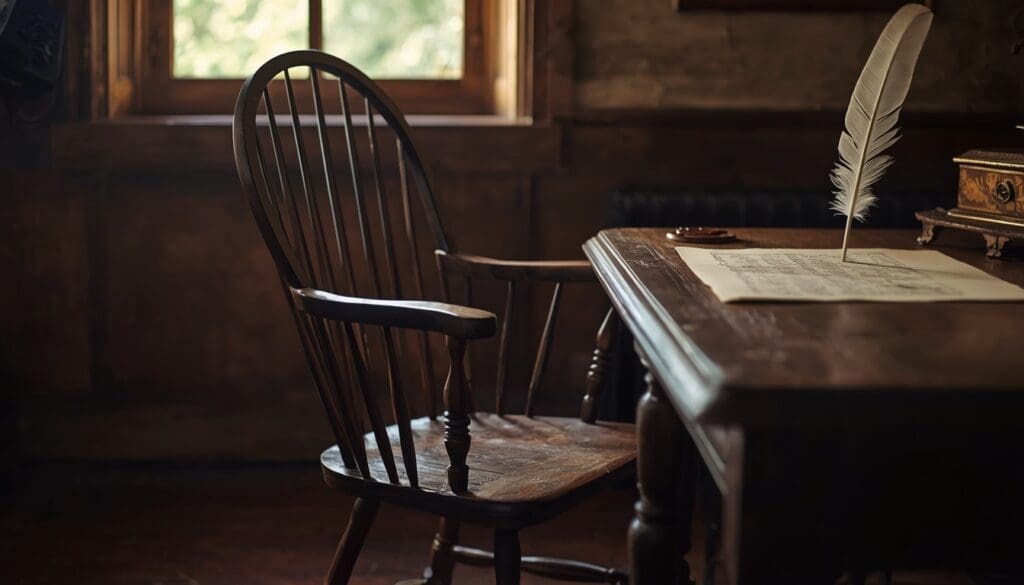
Did You Know? The Declaration of Independence Was Likely Written in a Windsor Chair As America celebrates 250 years of independence, it’s worth looking at one of the quieter witnesses to that history: the humble Windsor chair. Thomas Jefferson is said to have drafted the Declaration of Independence while seated in an unusual revolving Windsor […]
Shopping for a dining table when you have a family of six means you need something that works for Tuesday night homework sessions, weekend pancake breakfasts, and holiday dinners with grandparents—all without taking over your entire dining room. The right table makes family life easier. The wrong one? You’ll feel it every single day. Let’s […]
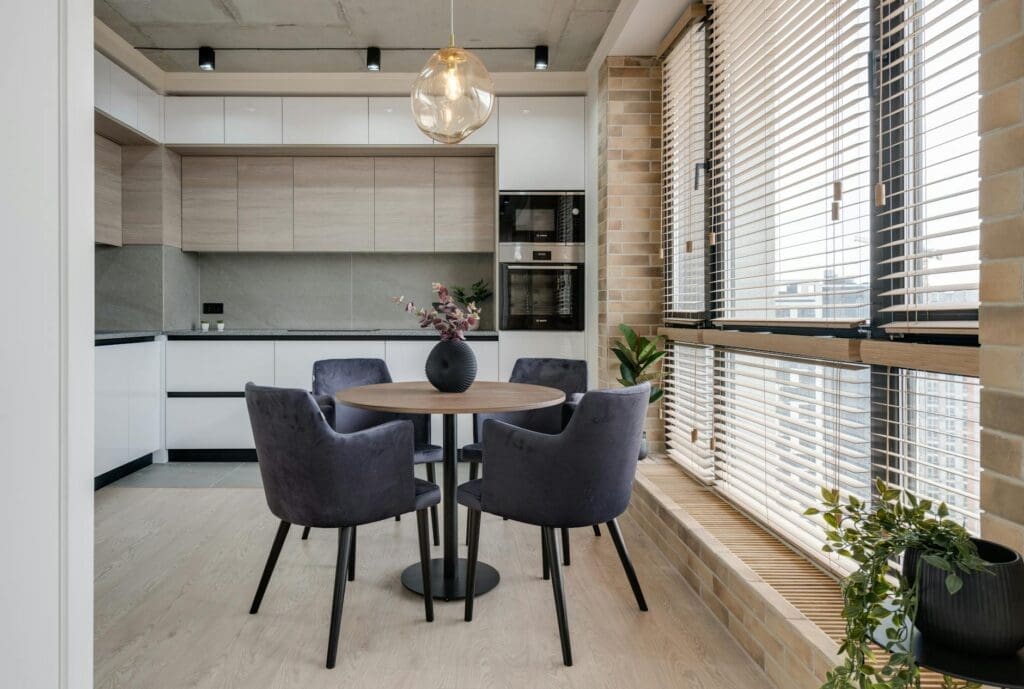
If you’re working with a compact dining area, you’ve probably already discovered that square and rectangular tables can feel like furniture Tetris. Round dining tables are often the smartest solution for small spaces—they eliminate sharp corners that eat up valuable square footage, create better traffic flow, and somehow make a room feel more spacious even […]