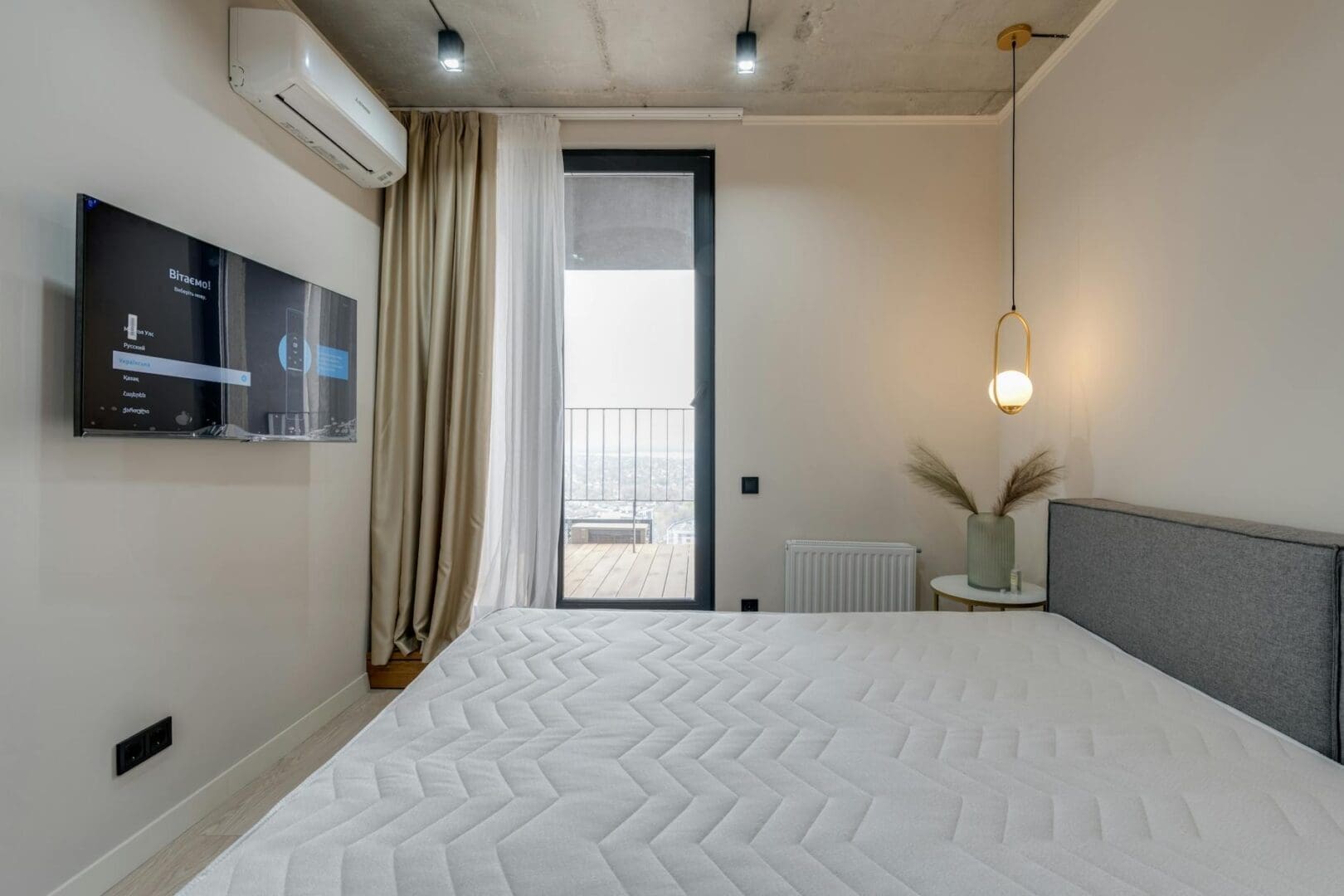
You’ve narrowed it down to two types, but now you’re stuck: memory foam or innerspring? It’s one of the biggest decisions you’ll make for your bedroom, and honestly, both have devoted fans for good reason. The right choice comes down to how you sleep, what your body needs, and what you’re willing to spend. Let’s walk through what actually matters.
How Each Mattress Type Feels and Supports Your Body
Memory foam molds to your body using heat and pressure, creating that signature “hug” feeling. You sink in slightly, and the foam contours to your shoulders, hips, and spine. This makes it excellent for pressure point relief, especially if you’re a side sleeper or deal with joint pain. The downside? Some people feel stuck or too warm, though newer gel-infused and open-cell foams have improved breathability considerably.
Innerspring mattresses use metal coils for support, topped with comfort layers of foam, cotton, or pillow-top materials. They offer more bounce and a traditional “sleeping on top of the mattress” feel rather than sinking in. If you switch positions frequently during the night or prefer easy movement, innerspring typically wins. The coil system also promotes better airflow, keeping you cooler throughout the night.
Think about how you sleep: do you want to feel cradled or supported from beneath? Memory foam hugs you; innerspring lifts you.
Durability and Longevity Considerations
Quality memory foam mattresses typically last 7-10 years before showing significant sagging or loss of support. Density matters here—look for foam that’s at least 4-5 pounds per cubic foot for the support layers. Cheaper memory foam (under $500 for a queen) often breaks down within 3-5 years, developing body impressions that can’t be fluffed out.
Innerspring mattresses traditionally last 5-8 years, though this depends heavily on coil count and gauge. Mattresses with individually wrapped coils (called pocketed coils) last longer and maintain support better than traditional Bonnell coils. Budget innerspring mattresses ($300-$600) may start squeaking or sagging within a few years, while quality options ($800-$1,500) hold up considerably longer.
Edge support is worth considering too. Innerspring mattresses generally have firmer, more stable edges, so you can sit comfortably or sleep near the edge without feeling like you’ll roll off. Memory foam edges compress more easily unless reinforced.
Temperature, Motion Transfer, and Sleep Disruptions
Temperature regulation is where innerspring has historically dominated. The open coil structure allows air to circulate freely, keeping you cooler. If you’re a hot sleeper, this matters. Modern memory foam has caught up with cooling technologies—gel infusions, copper threading, and phase-change materials—but you’ll pay more for these features (expect $1,000+ for a quality cooling memory foam queen).
Motion isolation flips the script entirely. Memory foam absorbs movement exceptionally well, meaning your partner’s tossing and turning won’t wake you. Innerspring mattresses transfer motion more noticeably, especially in budget models with connected coil systems. If you share your bed with a restless sleeper, memory foam offers a clear advantage. Pocketed coil innerspring mattresses improve motion isolation but still don’t match memory foam’s performance.
Price Ranges and What Your Budget Gets You
Budget memory foam mattresses ($400-$700 for a queen) often use lower-density foam that sleeps hot and breaks down faster. Mid-range options ($800-$1,500) typically offer better foam quality, cooling features, and longer warranties. Luxury memory foam ($1,500-$3,000+) includes advanced cooling systems, zoned support, and premium covers.
Budget innerspring mattresses ($300-$600) usually feature Bonnell coils with thin comfort layers—adequate for guest rooms but not ideal for nightly use. Mid-range innerspring ($700-$1,200) offers pocketed coils, better comfort layers, and improved durability. Luxury innerspring and hybrid models ($1,500-$4,000) combine pocketed coils with high-quality foam or latex layers, giving you the best of both worlds.
Your sleep quality affects everything else in your life. If you’re waking up with aches or feeling unrested, choosing the right mattress type isn’t just about comfort—it’s about investing in better days. Consider what your body’s telling you, test both types if possible, and remember that most reputable brands offer sleep trials. The mattress that helps you wake up refreshed is always the right choice.
Shopping for a bunk bed mattress isn’t quite the same as choosing one for a standard bed frame. The biggest difference? Safety requirements. The wrong mattress thickness can create a dangerous gap between the sleeping surface and the guardrails, and not every mattress type holds up well on a slatted bunk bed platform. Here’s what […]
That empty corner in your bedroom has potential. You walk past it every day thinking it could be something more—a spot to read before bed, sip your morning coffee, or just escape for a few quiet minutes. A reading chair can transform that awkward space into your favorite corner of the house, but only if […]
If you’ve been tossing and turning on an old mattress, you already know it’s time for a change. But walk into any mattress store or browse online, and you’re immediately hit with the big question: memory foam or innerspring? Both have passionate fans, and honestly, both can give you great sleep. The real answer depends […]