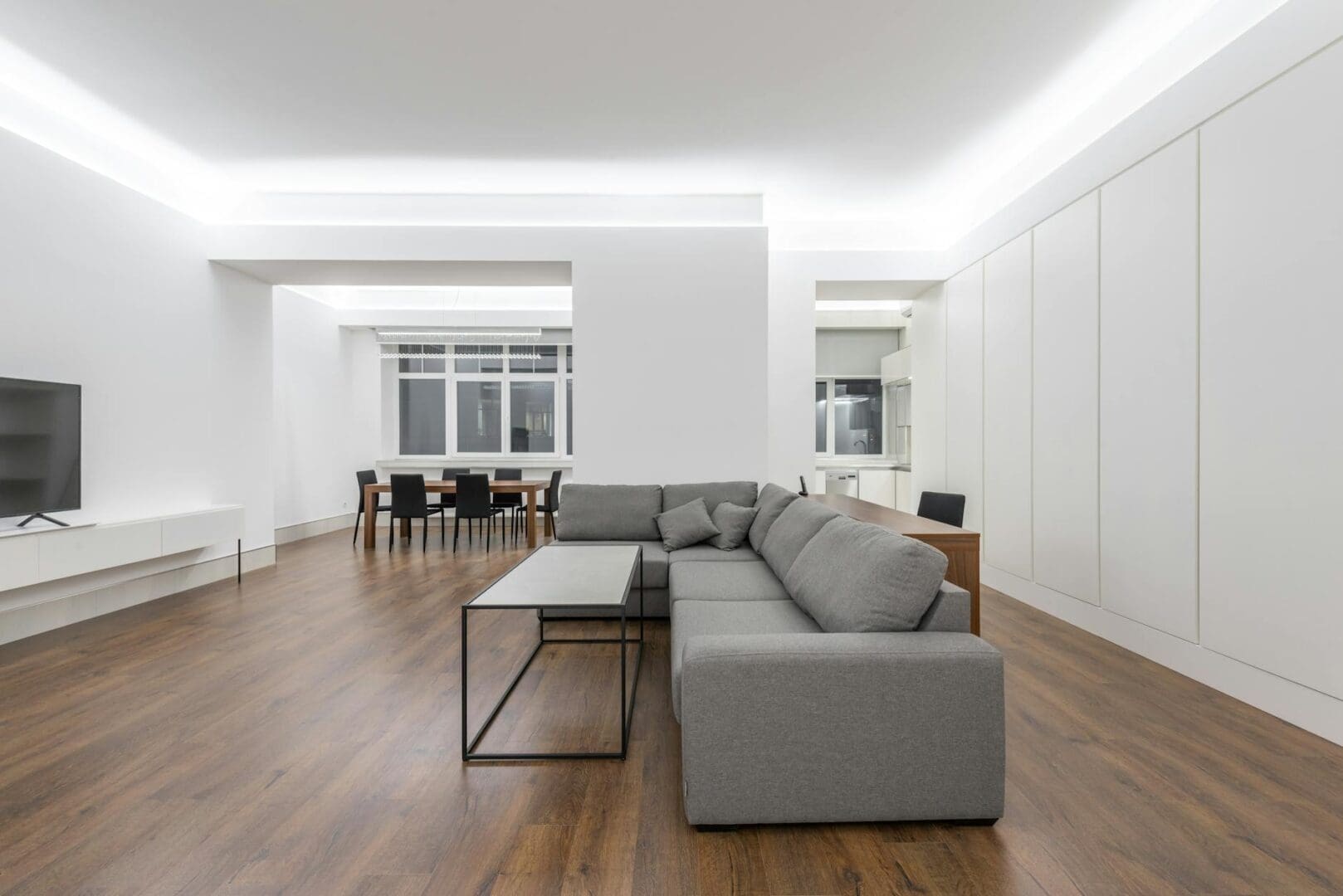
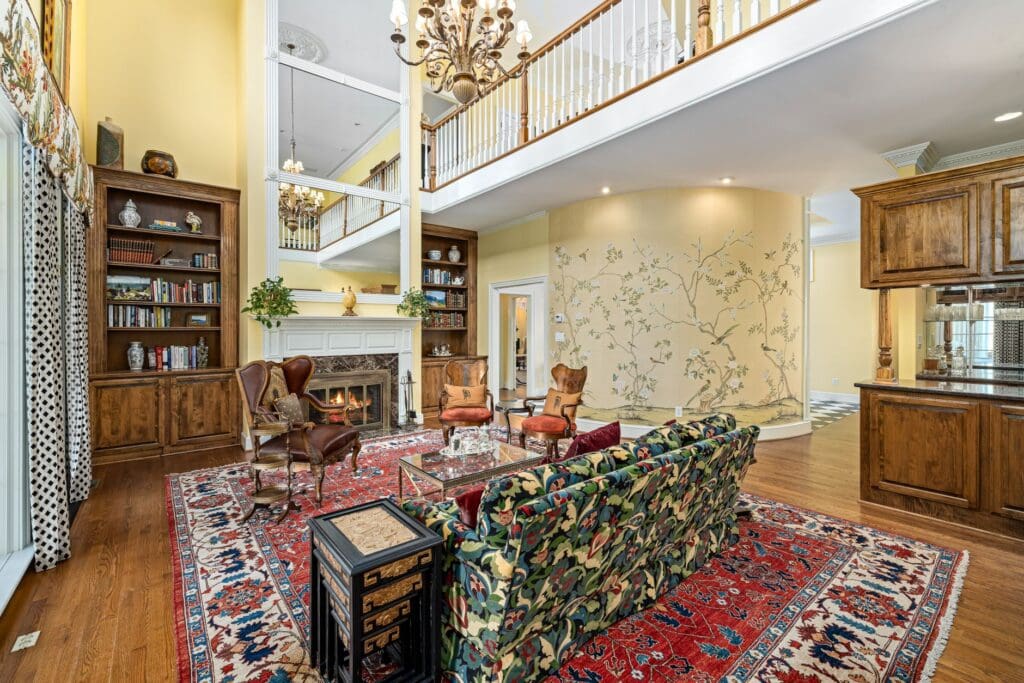
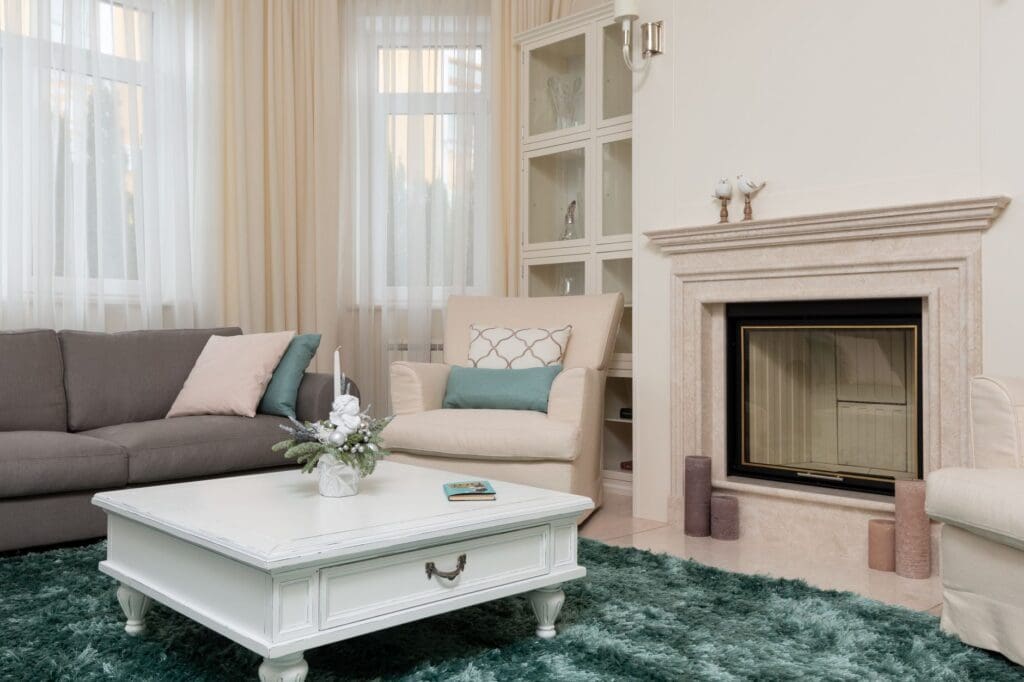
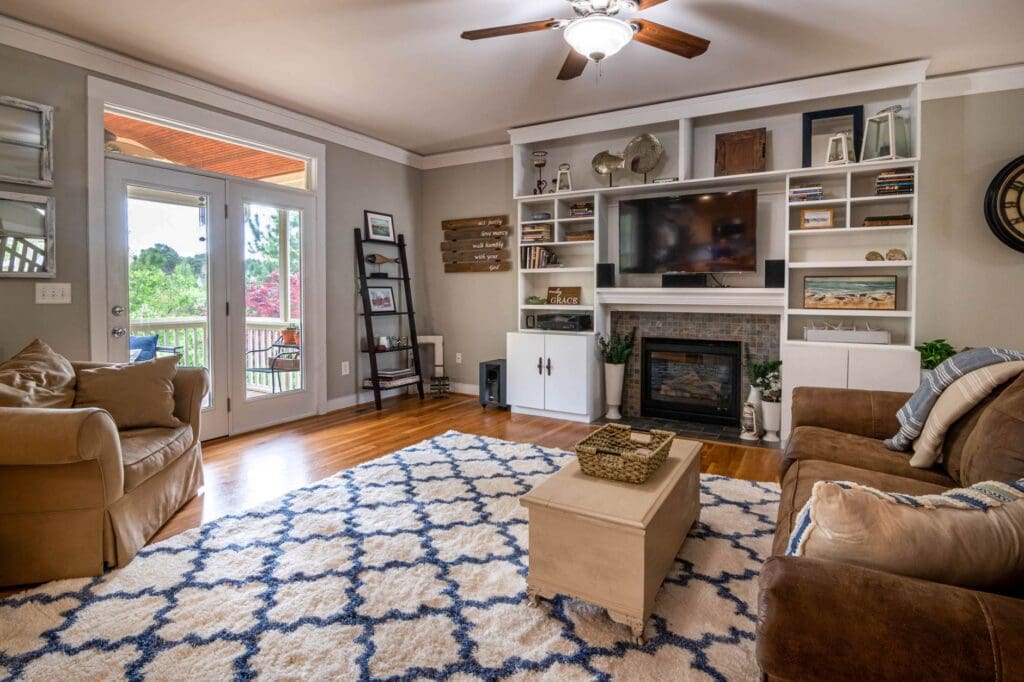
If your living room feels stuck in a past decade, you’re not alone. Sofas have more staying power than trends usually allow, which means many of us are sitting on styles from 2015 or earlier. But if you’re finally ready to upgrade, 2026 brings some genuinely exciting directions—less about fleeting fads and more about thoughtful design that balances comfort with visual interest.
Here’s what’s actually showing up in showrooms and design studios right now, and what it means for your next sofa purchase.
Curved Silhouettes Are the New Standard
The boxy, angular sofa is taking a backseat. Curved sofas—from gentle arcs to full kidney-bean shapes—are dominating floor plans in 2026. This isn’t just about aesthetics; rounded edges create better conversation areas and soften the hard lines most rooms already have from windows, walls, and built-ins.
Look for sofas described as “crescent,” “semi-circular,” or “arc-shaped.” These work especially well in open-concept spaces where you need to define a seating area without blocking sightlines. Budget-friendly curved options start around $1,200-1,800 for smaller loveseats, while statement pieces from premium brands can reach $4,000-6,000. The key detail to examine: whether the curve follows through to the back cushions, not just the frame. Full-curve construction offers better support when you’re actually sitting on these sofas.
Texture Is Doing the Heavy Lifting
Solid-colored sofas still dominate, but the textile story has shifted dramatically. Boucle had its moment and is sticking around, but 2026 is expanding into chunkier weaves, ribbed corduroy, and Performance fabrics that actually look high-end. The goal is tactile interest without pattern.
Chenille is making a comeback, but not the shiny version from the ’90s—look for matte, almost suede-like chenilles with depth and movement. Linen-blend Performance fabrics have also crossed into trend territory, offering that relaxed, organic look while standing up to real life. If you have kids or pets, prioritize tight-weave Performance textures over loosely-woven boucles, which can snag easily. Mid-range textured sofas typically land in the $1,500-2,800 range, while luxury Performance fabrics push pieces into $3,500+ territory.
Lower Profiles and Sculptural Frames
Platform-style sofas with exposed wooden bases are replacing skirted and fully-upholstered options. These lower-profile designs (typically 16-18 inches from floor to seat, compared to the traditional 19-21 inches) create an airier feel and show off interesting frame details.
Watch for solid wood or metal legs that feel substantial rather than spindly—they’re both a design detail and a quality indicator. Walnut, oak, and mango wood bases are particularly popular, sometimes with architectural details like curved supports or geometric cross-bracing. The exposed frame means you’re getting transparency about construction quality, which is actually a good thing. These sculptural sofas range from $1,400 for simpler designs to $5,000+ for pieces with hand-finished hardwood frames and custom upholstery.
Earth Tones With Unexpected Depth
Gray is finally, truly fading. The 2026 palette leans into warmer, more grounded neutrals: rust, terracotta, deep olive, warm putty, and clay tones. Even the “neutrals” have more personality—think mushroom taupe with pink undertones or greige with a hint of sage.
If you’re hesitant about color, these earth tones are far more versatile than you’d think. A rust-colored sofa works with both modern and traditional spaces, while deep olive pairs beautifully with wood tones and metal accents. The advantage over gray? These colors feel intentional rather than safe, and they won’t compete with your other furnishings. You’ll find these hues across all price points, though natural-dyed fabrics in these shades (which tend to age beautifully) typically appear in the $2,500+ range.
Making the Trend Work for You
The good news about 2026’s sofa trends is they’re rooted in livability. Curves add comfort, textures hide wear, lower profiles suit modern ceiling heights, and earth tones anchor a room without demanding constant redecorating. You don’t need to embrace every trend—a textured fabric on a traditional silhouette still feels current, as does a curved sofa in a classic neutral.
Focus on the one or two elements that genuinely improve your space. If your room feels boxy, consider the curve. If your current sofa shows every spill, prioritize Performance texture. If gray has been making you feel cold for years, those warm earth tones might be exactly what shifts the mood of your entire home.
You love the idea of a Persian rug—the craftsmanship, the history, the way it instantly elevates a room. But you’re worried it might look too traditional or clash with your clean-lined sofa and minimalist aesthetic. Here’s the thing: Persian rugs aren’t just for ornate, old-world interiors. When chosen thoughtfully, they bring exactly the kind of […]
Shag rugs have come a long way since their 1970s heyday. Today’s versions offer that same sink-your-toes-in comfort without the avocado green and harvest gold baggage. But here’s the thing: buying a shag rug isn’t quite like picking out other area rugs. The extra pile height means more considerations around maintenance, placement, and materials. Get […]
You’ve measured your space, browsed hundreds of patterns, and now you’re stuck on the most practical question: should you get the 5×8 or spring for the 8×10? It’s not just about numbers—choosing the wrong rug size can throw off your entire room, making furniture look awkward or the space feel disconnected. Let’s walk through exactly […]