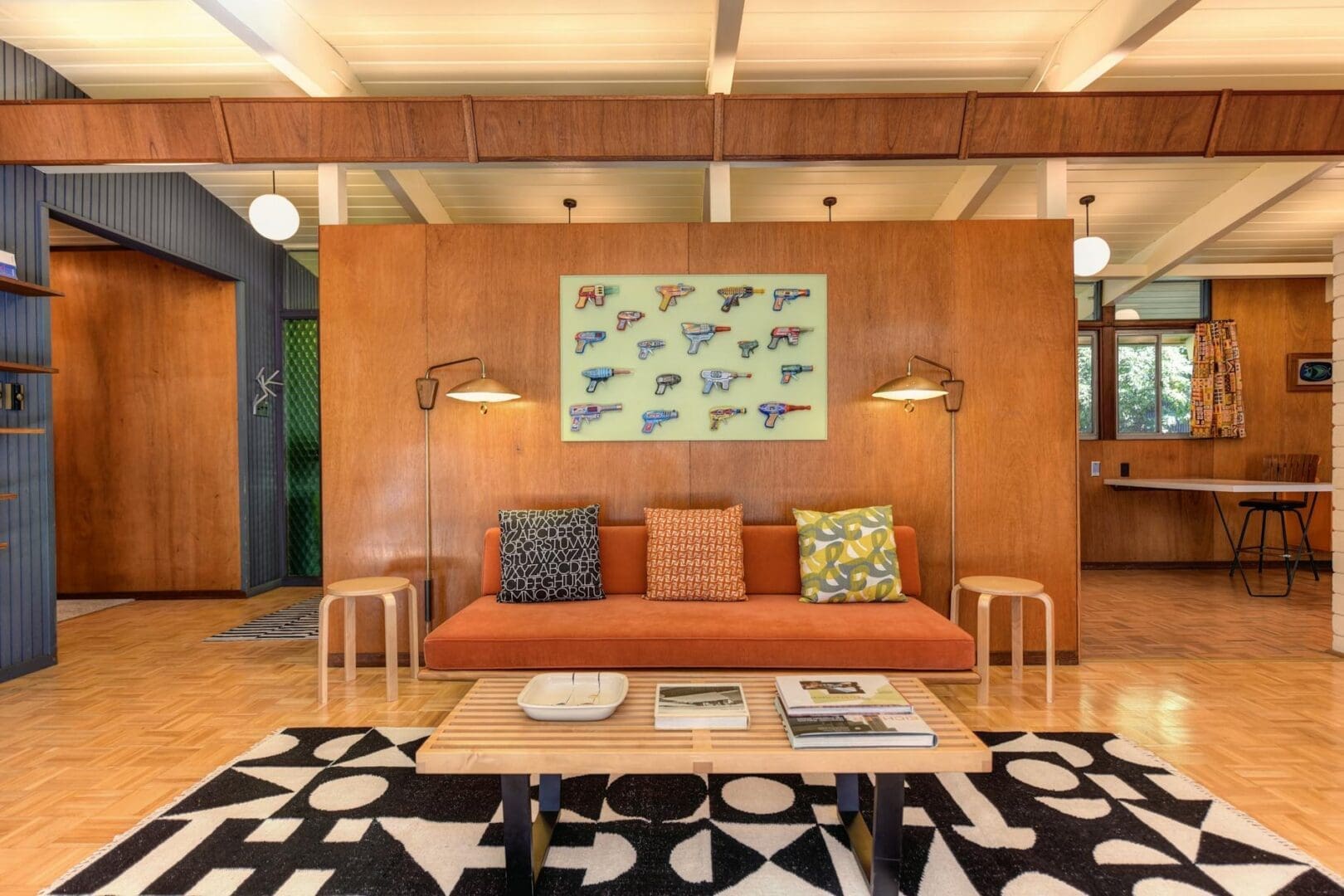
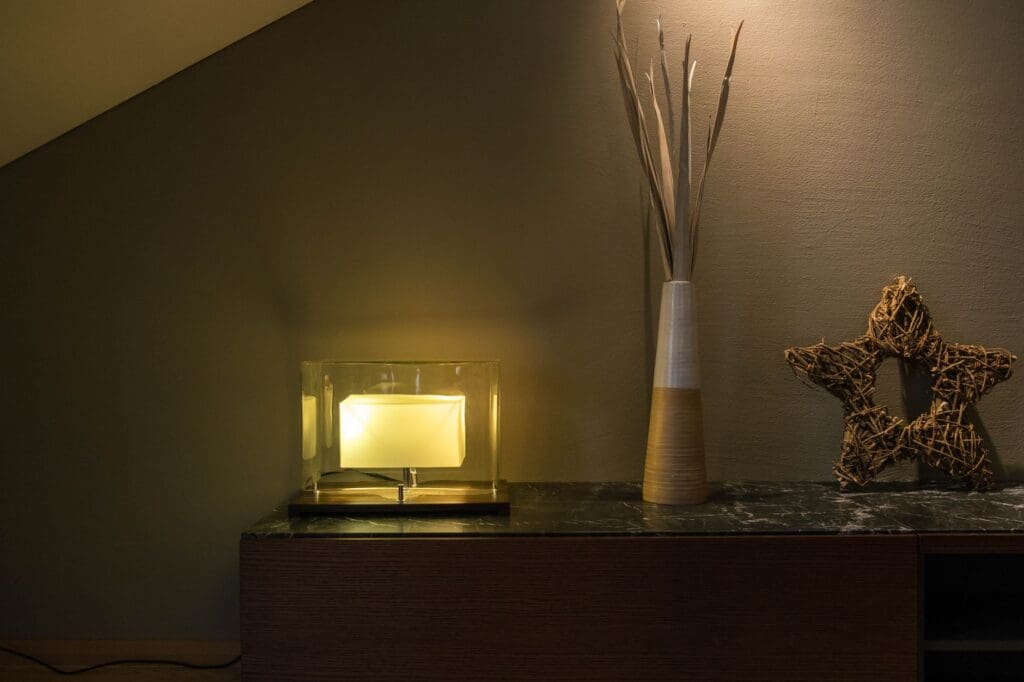
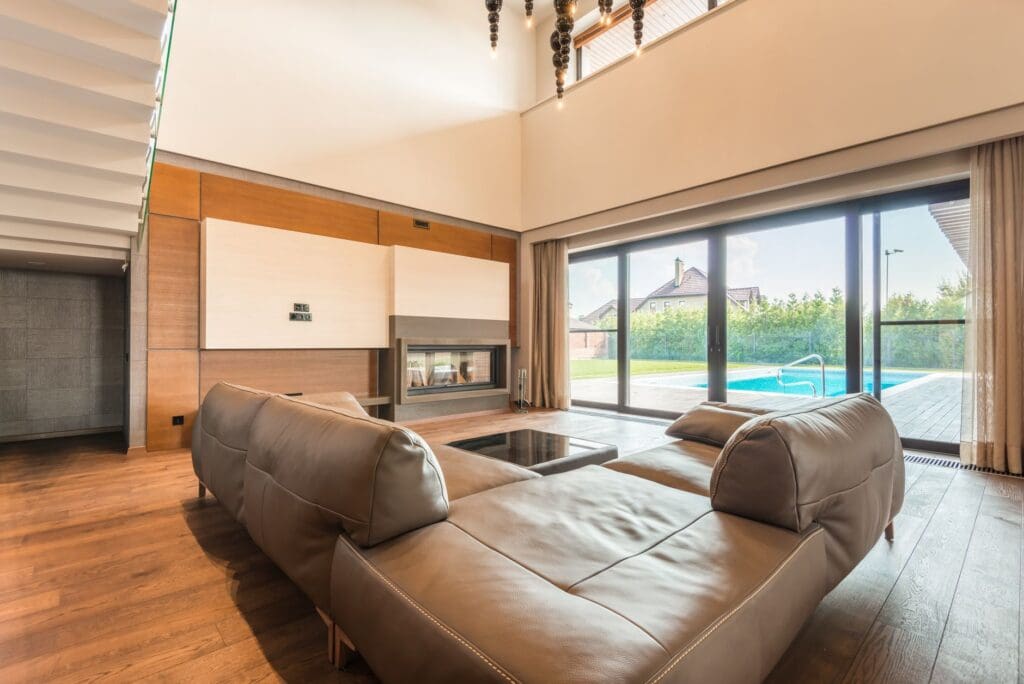
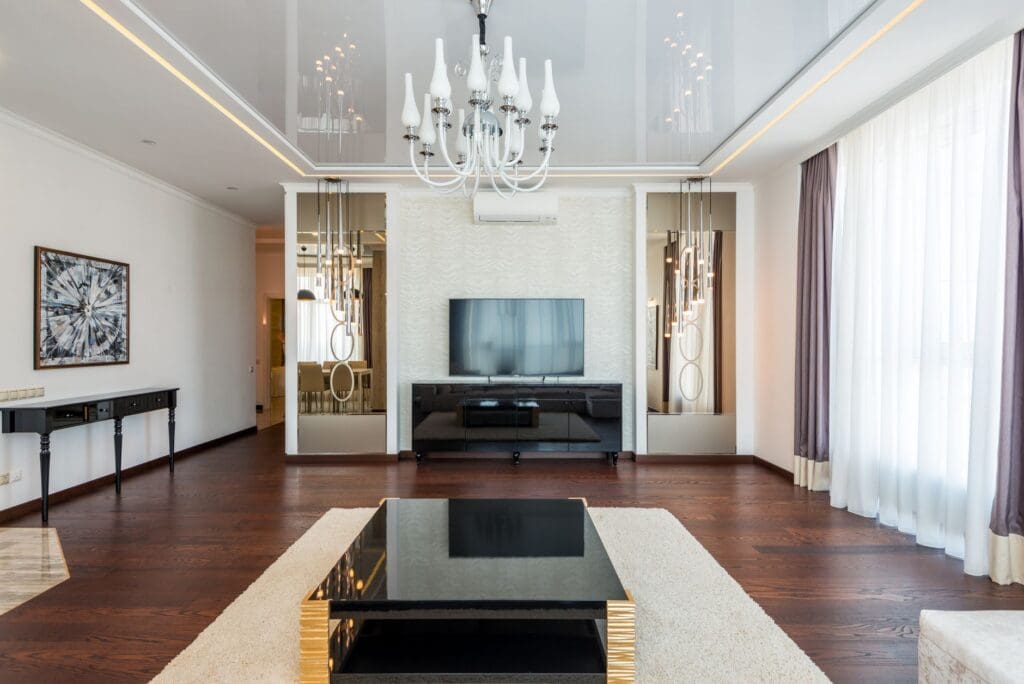
That clean-lined, retro-cool mid-century modern aesthetic doesn’t have to cost a fortune. While authentic vintage pieces from the 1950s and 60s can command serious prices, you can absolutely capture that iconic look without draining your savings. The key is knowing where to splurge, where to save, and which elements make the biggest visual impact.
Start With Statement Seating
Your sofa or main seating piece sets the tone for the entire room, so this is where you’ll want to focus your budget. Look for sofas with tapered wooden legs, low profiles, and clean lines—these are the hallmarks of mid-century design. You don’t need a $3,000 replica of a famous designer piece when plenty of retailers offer mid-century inspired sofas in the $600-$1,200 range that nail the aesthetic.
If even that feels steep, consider a loveseat paired with a vintage-style accent chair instead of a full sofa. Accent chairs in the $200-$400 range with that classic winged-back or shell shape can anchor your seating area beautifully. Mix in a simple modern sofa you might already own, and suddenly you’ve got that curated mid-century vibe without replacing everything.
Focus on the Right Wood Tones and Legs
Mid-century modern is all about warm walnut and teak finishes with those signature tapered or hairpin legs. This is actually great news for budget shoppers because legs make a huge difference in perception. A basic coffee table or TV stand instantly reads as mid-century when it has the right leg style.
Here’s where to invest your dollars:
A solid wood coffee table with tapered legs ($150-$400) becomes your room’s centerpiece
A credenza or media console in walnut finish ($300-$600) provides storage while establishing that retro foundation
Wooden leg floor lamps ($60-$150) that echo your furniture’s lines
Simple wooden plant stands ($30-$80) that add vertical interest
Skip the expensive area rugs initially—you can find geometric or abstract patterns that work perfectly well in the $100-$300 range. The wood furniture matters more to the overall look than a pricey rug.
Accessorize Smart With Color and Texture
Mid-century modern is known for pops of mustard yellow, burnt orange, olive green, and teal against neutral backgrounds. This is where budget decorating really shines because throw pillows, artwork, and small accessories cost far less than furniture but deliver major style impact.
Look for geometric throw pillows in those signature colors ($20-$40 each), and don’t be afraid to mix patterns—mid-century design loves a good starburst or atomic-era print. A couple of ceramic vases in earthy tones ($15-$50) on your new credenza, some vintage-looking abstract art prints in simple frames ($30-$80), and maybe a sunburst mirror ($60-$150) will pull the whole look together.
Texture matters too. A chunky knit throw blanket or a simple sheepskin draped over your chair adds that layered, lived-in quality that keeps mid-century from feeling too museum-like. These typically run $40-$100 and make rooms feel exponentially more expensive than they are.
Know When to Go Secondhand
Some mid-century pieces are actually easier to find used than new. Side tables, bar carts, and smaller storage pieces from the 60s and 70s pop up regularly at estate sales, thrift stores, and online marketplaces for $30-$150. They’ve already lasted 50+ years, so quality isn’t usually a concern.
Even if a piece needs minor restoration—maybe new drawer pulls or a light sanding—you’ll still come out ahead financially while owning something with genuine character. Plus, mixing one or two actual vintage finds with modern reproductions gives your room authenticity that all-new furniture can’t match.
Creating a mid-century modern living room on a budget is totally achievable when you prioritize the elements that define the style: clean-lined furniture with wooden legs, warm wood tones, strategic pops of retro color, and simple geometric shapes. Start with one or two key furniture pieces that nail the aesthetic, then build around them with affordable accessories and secondhand finds. You’ll end up with a space that looks thoughtfully curated rather than cookie-cutter—and isn’t that the whole point of good design?
There’s nothing quite like settling in for movie night at home, but harsh overhead lighting can ruin the whole experience. Too bright, and you’re squinting at a washed-out screen. Too dark, and you’re fumbling for the remote or straining your eyes. Getting your living room lighting right for movie watching isn’t complicated—it just takes the […]
You probably reach for your phone to change the temperature, lock your doors, or check who’s at the front door—so why are you still walking across the room to flip light switches? Smart lighting transforms your living room from a space with basic on-off switches into one that adapts to movie nights, dinner parties, reading […]
A chandelier can transform your living room from ordinary to unforgettable, but choosing the wrong size or style can throw off your entire space. Unlike task lighting that quietly does its job, a chandelier makes a statement—which means getting it right matters. Whether you’re working with vaulted ceilings or a cozy 10×12 room, here’s how […]