You’re ready to build or replace your deck, but standing in the home improvement store aisle, you’re facing that big question: natural wood or composite material? It’s not just about price—this decision affects how much time you’ll spend maintaining your deck, how long it’ll last, and whether it’ll give you that exact look you’re picturing for your outdoor space. Let’s break down what really matters so you can choose with confidence.
The Real Cost: Beyond the Initial Price Tag
Yes, wood decking costs less upfront—and that difference is significant. Pressure-treated lumber runs about $15-25 per square foot installed, while cedar or redwood pushes that to $25-35. Composite decking, on the other hand, typically ranges from $30-45 per square foot installed, with premium brands reaching $50 or more.
But here’s where it gets interesting: that initial savings with wood comes with ongoing costs. You’ll need to clean, sand, and reseal wood decking every 1-3 years. Factor in materials (stain, sealant, cleaning supplies) and labor—whether your own weekend time or a contractor’s fee—and those costs add up to thousands over the deck’s lifetime. Composite decking needs occasional cleaning with soap and water, and that’s about it.
If you’re planning to stay in your home for 10+ years, composite often becomes the more economical choice. If you’re on a tight budget now or might move in a few years, wood makes more financial sense.
Maintenance and Durability: How Much Work Are You Signing Up For?
This is where the two materials diverge dramatically. Wood decking is beautiful but demanding. It splinters, it fades, it can rot if moisture gets trapped, and it’s susceptible to insect damage. Different woods have different vulnerabilities—pressure-treated pine is affordable but needs the most maintenance, while cedar and redwood naturally resist decay better but still require regular sealing.
Composite decking is engineered to handle the elements without the fuss. It won’t splinter, crack, or rot. Most manufacturers offer 25-year warranties, and some even guarantee against fading and staining. The trade-off? It can scratch (though many newer formulas resist this), and it may retain heat more than wood on scorching summer days. Early-generation composites also had issues with mold and fading, but modern formulations have largely solved these problems.
Ask yourself honestly: do you enjoy hands-on home maintenance projects, or would you rather spend weekends actually using your deck instead of refinishing it?
Aesthetics and Feel: The Look You’re After
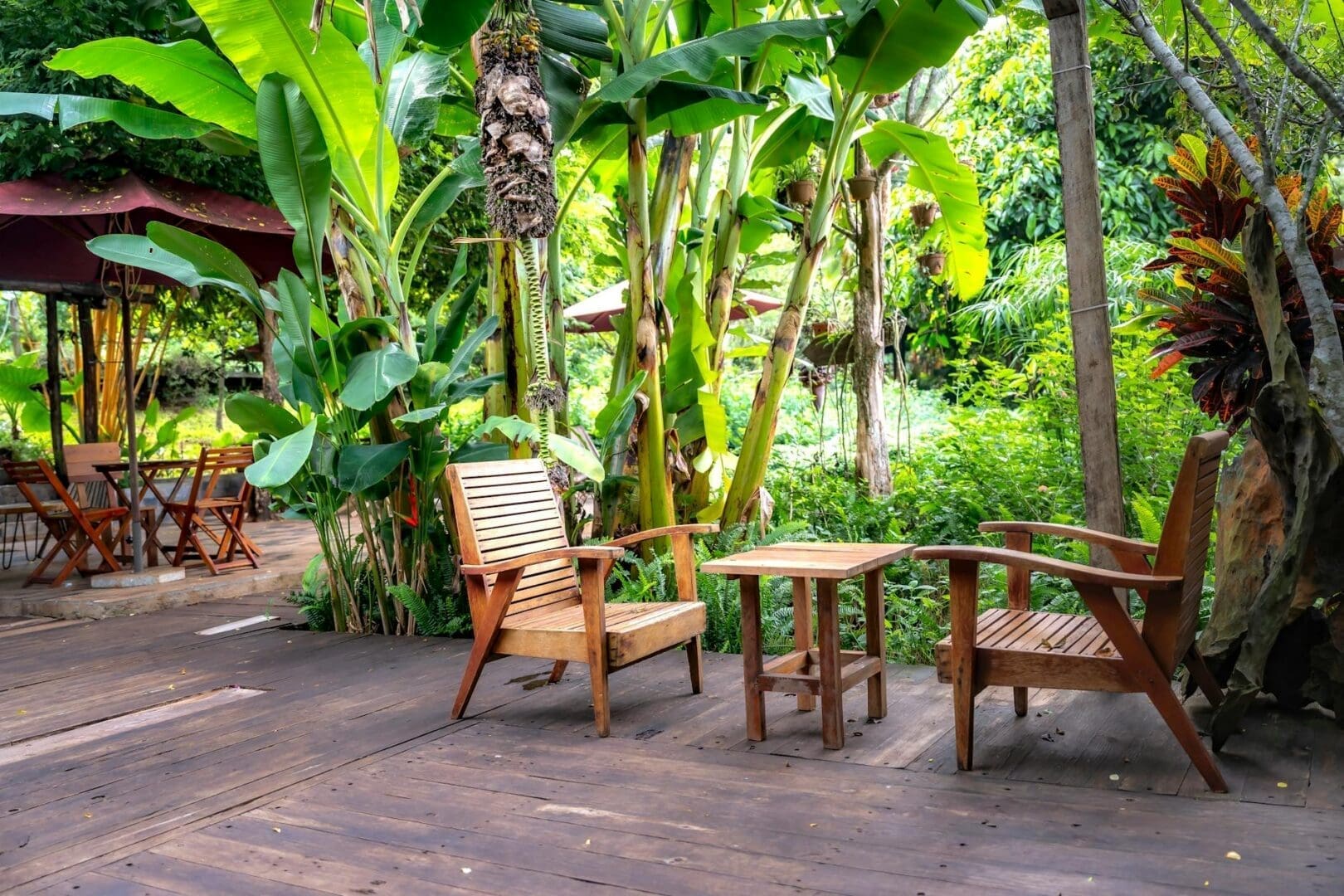
Nothing looks quite like real wood grain—that’s just a fact. If you’re drawn to the authentic, natural variations of cedar or the rich tones of redwood or tropical hardwoods like ipe, wood delivers in ways composite can’t fully replicate. Wood also feels more natural underfoot and stays cooler in direct sun.
That said, composite decking has come a long way. Today’s premium composites feature realistic wood grain textures and color variations that look convincing from just a few feet away. You’ll find options mimicking everything from weathered driftwood to rich mahogany. The color stays consistent too—no surprise graying or uneven fading like you get with untreated wood.
Consider your home’s architectural style. A rustic cabin or craftsman-style home might call for authentic wood, while a modern or low-maintenance contemporary design could pair beautifully with composite’s clean, consistent appearance.
Environmental Impact and Long-Term Value
Both options have environmental considerations. Wood is renewable and biodegradable, but harvesting raises sustainability questions—look for FSC-certified lumber if this matters to you. Composite typically contains 50-95% recycled materials (plastic bags, sawdust, reclaimed wood) and diverts waste from landfills, though it’s not biodegradable.
For resale value, both materials can boost your home’s appeal, but the impact depends on your market. In areas with harsh weather or among buyers who value low maintenance, composite can be a stronger selling point. In markets where natural materials command premium prices, quality wood might edge ahead.
Your deck decision ultimately comes down to your priorities: upfront budget versus long-term investment, maintenance commitment versus convenience, and authentic natural beauty versus engineered consistency. Consider how long you’ll own your home, how you want to spend your time, and what kind of outdoor space will make you happiest. There’s no wrong choice—just the right one for your situation and lifestyle.
You’ve fallen for the classic look of Adirondack chairs, but now you’re stuck at the fork in the road: traditional wood or modern poly? It’s not just about aesthetics—this decision affects how much time you’ll spend on maintenance, how long your chairs will last, and whether you’ll be repainting in two years or still enjoying […]
There’s something wonderfully ironic about the Adirondack chair’s origin story. Back in 1903, Thomas Lee was vacationing in Westport, New York, frustrated by the lack of comfortable outdoor seating that could handle the sloped terrain of his property. So he built a wide-backed, slatted chair with a reclined seat—and accidentally created an icon. Today, you’ll […]
Nothing pulls together a patio quite like an outdoor rug—it defines your seating area, adds comfort underfoot, and makes the whole space feel more intentional. But get the size wrong, and it can look like a bath mat floating in the middle of your deck or a carpet that swallows your furniture whole. The good […]