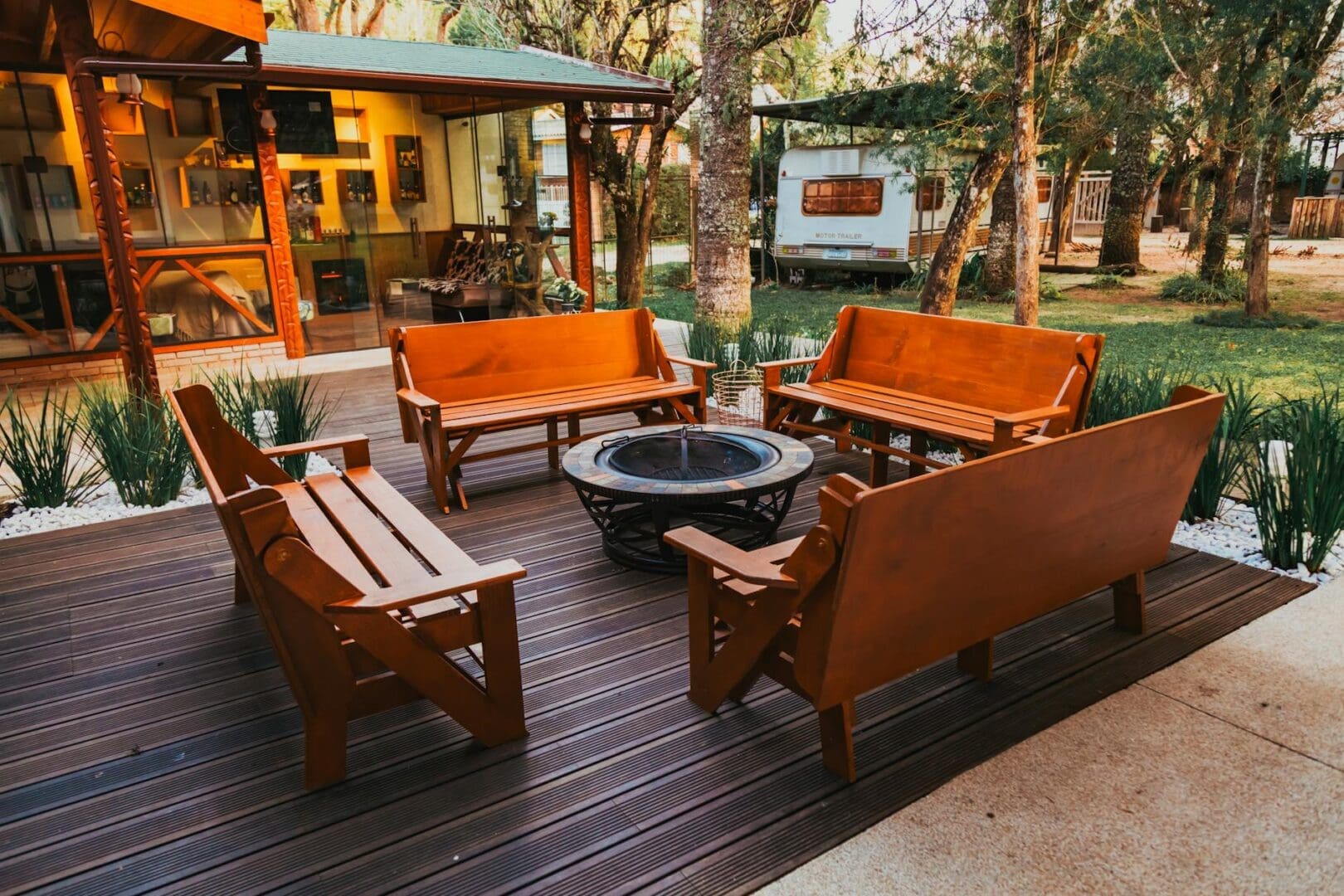
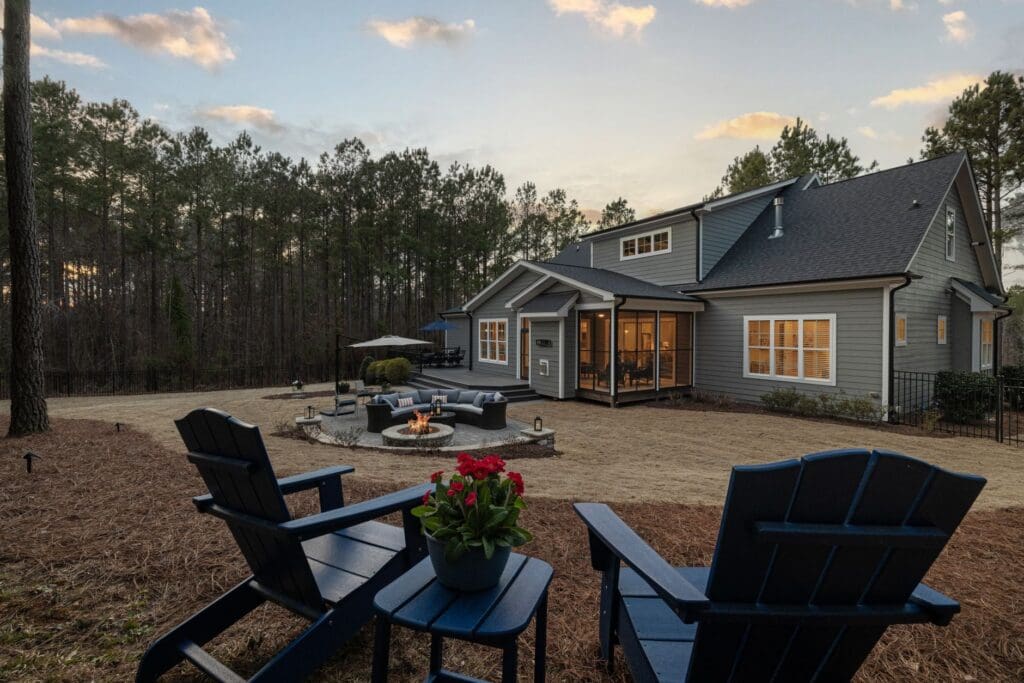
There’s something magical about gathering around a fire pit on a cool evening, but choosing between wood burning and propane can feel surprisingly complicated. Both have their devoted fans, and honestly, there’s no universal “better” option—it really depends on how you plan to use your outdoor space and what matters most to you. Let’s break down the key differences so you can make the right call for your backyard.
Ambiance and Experience
If you’re chasing that classic campfire experience, wood burning fire pits deliver in spades. You get the crackling sounds, that unmistakable smoky scent, and dancing flames that seem to mesmerize everyone around them. There’s also something satisfying about tending the fire, adjusting logs, and poking at embers—it becomes part of the evening’s entertainment.
Propane fire pits offer a cleaner, more controlled flame. While they lack the crackling soundtrack and campfire smell, they produce consistent, predictable flames at the push of a button. Some people find this sterile; others appreciate the simplicity. If you’re hosting a dinner party and want fire without smoke blowing into your guests’ faces mid-conversation, propane starts looking pretty appealing. Many propane models now come with realistic-looking logs or glass beads that help create a more natural aesthetic.
Convenience and Maintenance
This is where propane fire pits really shine. Turn a knob, push a button, and you’ve got instant fire. When you’re ready to head inside, shut it off—no waiting for embers to die or worrying about flying sparks. There’s virtually no cleanup beyond occasionally wiping down the unit and checking connections.
Wood burning fire pits require more hands-on involvement. You’ll need to stock and store firewood (and keep it dry), clean out ash regularly, and make sure the fire is completely extinguished before calling it a night. You’ll also want to check local regulations—some municipalities restrict wood burning on high pollution days or require permits. That said, if you enjoy the ritual of building and maintaining a fire, this “extra work” might actually be part of the appeal.
Cost Considerations
The upfront investment varies significantly across both categories. Basic wood burning fire pits start around $100-$300 for a simple bowl or ring design, while more elaborate models with screens and decorative details run $400-$1,200. High-end propane fire pits typically cost more initially—expect to pay $300-$800 for quality mid-range options, with premium built-in units reaching $2,000 or more.
Operating costs flip that equation. Firewood runs about $150-$400 per cord depending on your location, and how much you use depends on your burning frequency. A propane tank refill costs roughly $15-$25 and might last anywhere from 8-15 hours of burn time, depending on your flame height settings. If you’re using your fire pit weekly throughout spring and fall, propane often ends up being the more economical fuel choice over time.
Safety and Practical Factors
Wood burning fire pits produce sparks and embers that can drift onto decking, furniture, or dry grass. You’ll need adequate clearance from structures (typically at least 10-25 feet), and wooden decks are generally off-limits without proper protection. Smoke can also be an issue with close neighbors or when wind patterns aren’t cooperating.
Propane units are generally safer for smaller spaces and closer to your home. They don’t produce sparks or ash, and many can be safely used on covered patios or even some wooden decks (always check manufacturer guidelines). You do need to properly store propane tanks and check for gas leaks periodically, but modern propane fire pits come with multiple safety features like automatic shut-offs.
Your decision ultimately comes down to priorities. Choose wood burning if you value authentic ambiance, enjoy the fire-tending experience, have plenty of space, and don’t mind the extra maintenance. Go with propane if convenience matters most, you’re working with limited space, you want instant on-off control, or local restrictions make wood burning impractical. Both will extend your outdoor season and create a gathering spot your family and friends will gravitate toward—you really can’t go wrong either way.
You’ve fallen for the classic look of Adirondack chairs, but now you’re stuck at the fork in the road: traditional wood or modern poly? It’s not just about aesthetics—this decision affects how much time you’ll spend on maintenance, how long your chairs will last, and whether you’ll be repainting in two years or still enjoying […]
There’s something wonderfully ironic about the Adirondack chair’s origin story. Back in 1903, Thomas Lee was vacationing in Westport, New York, frustrated by the lack of comfortable outdoor seating that could handle the sloped terrain of his property. So he built a wide-backed, slatted chair with a reclined seat—and accidentally created an icon. Today, you’ll […]
A dark backyard feels smaller, less usable, and honestly a bit uninviting once the sun goes down. Whether you’re trying to make your outdoor space safer, extend your entertaining hours, or simply discourage unwanted visitors, the right flood lights can completely transform how you use your yard after dark. The challenge is figuring out which […]