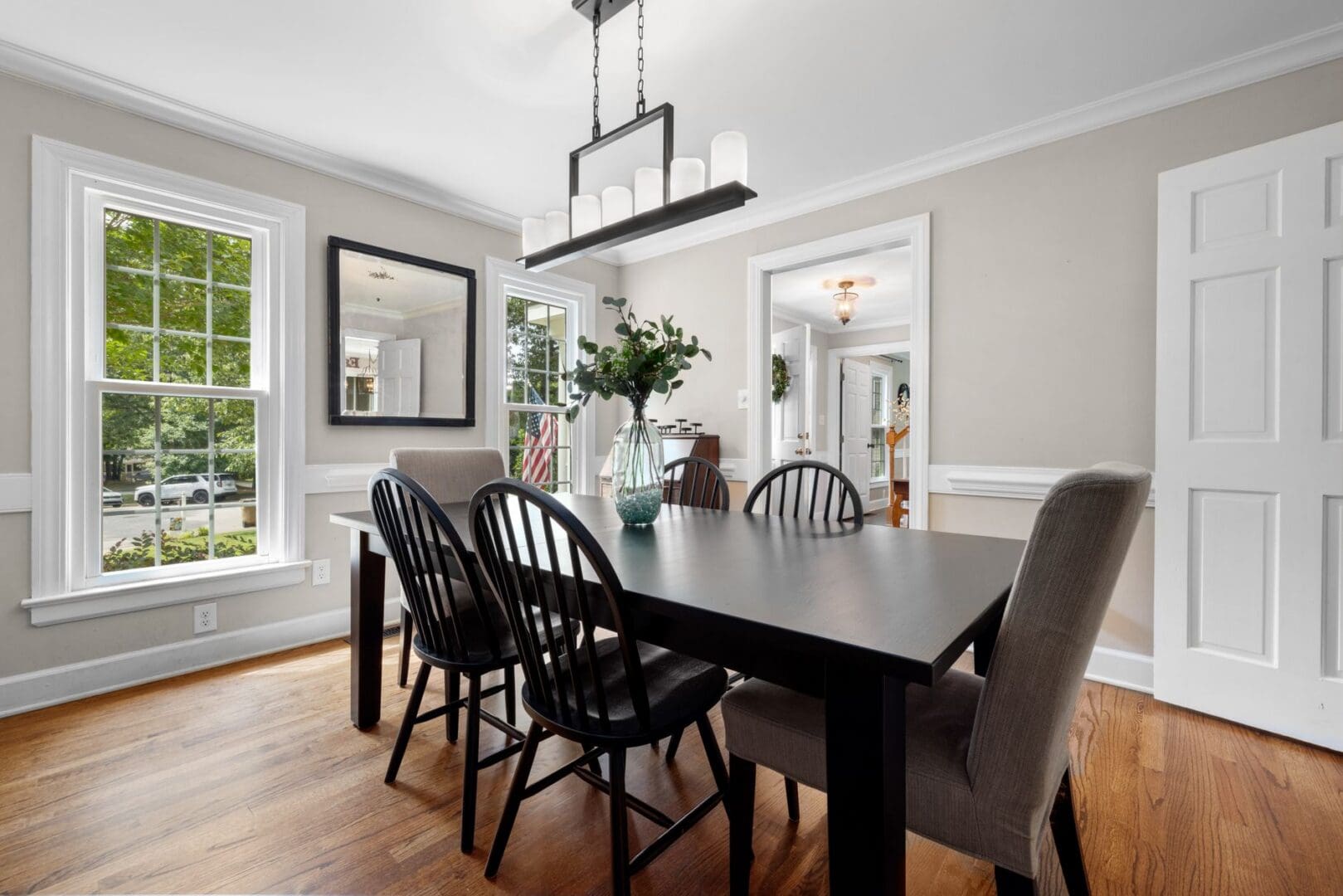
If you’re drawn to furniture with staying power, the Windsor chair deserves your attention. This isn’t just another trendy design that’ll look dated in five years—it’s a chair that’s been made using essentially the same construction methods since the early 1700s. That three-century track record tells you something important: when a design works this well, there’s no reason to change it.
Whether you’re furnishing a dining room, looking for kitchen seating, or adding a reading chair to a bedroom, understanding what makes a genuine Windsor chair special will help you choose pieces that’ll serve your family for decades.
What Actually Makes a Windsor Chair a Windsor
The defining feature of a Windsor chair is its construction method. Unlike chairs with frames that are glued and screwed together, a Windsor has individually turned spindles and legs that are socketed directly into a solid wood seat. The back is either made from steam-bent wood that curves to support your spine, or from vertical spindles topped with a crest rail.
Traditional Windsor makers use different wood types for different parts: softer woods like pine for the seat (easier to drill socket holes), harder woods like oak or maple for legs and stretchers (for strength), and flexible woods like ash for the bent back pieces. This smart use of materials is part of why these chairs last so long.
When you’re shopping, you’ll encounter several classic styles. The bow-back features a continuous curved piece forming the arms and top rail. The comb-back has straight spindles with a horizontal crest on top. The fan-back spreads spindles in a semicircle. And the sack-back combines a curved back with arms. Each has a slightly different look and level of support, so sit in a few before deciding.
Spotting Quality Construction (And Avoiding Lookalikes)
Not every chair labeled “Windsor” is actually made the traditional way. Mass-produced versions often use dowels instead of properly turned and tapered spindles, and some skip the solid seat entirely in favor of a frame with a drop-in seat. These shortcuts mean the chair won’t have the same strength or longevity.
Here’s what to look for: The spindles should taper slightly and feel smooth with subtle variations that indicate hand-turning (or quality machine-turning). The seat should be a solid piece of wood, typically 1.5 to 2 inches thick, with visible socket holes where the legs and spindles insert. Check underneath—you should see the legs going through the seat, often with small wedges securing them.
The stretchers connecting the legs should also be turned and socketed, not simply glued into drilled holes. Give the chair a gentle shake. A well-made Windsor feels remarkably solid because all those socketed joints create a structure that actually tightens with use over time.
Budget options ($150-300) are usually factory-made with simplified construction. Mid-range chairs ($400-800) often come from smaller workshops using a mix of traditional methods and modern efficiency. High-end handcrafted Windsors ($800-2,000+) from specialist chairmakers represent the traditional craft at its finest, with hand-turned spindles and carefully selected woods.
Choosing Finish, Color, and Style for Your Space
Windsor chairs work in more settings than you might expect. The natural wood finish is classic and shows off the craftsmanship, making it perfect for farmhouse, traditional, or cottage styles. But painted Windsors—especially in black, white, navy, or forest green—look stunning in modern and transitional spaces.
Historically, Windsors were often painted, partly to disguise the fact that they used different wood types. Today, a painted finish can help the chairs blend with contemporary interiors while maintaining that handcrafted, timeless quality. Just make sure any paint finish is properly done—cheap paint jobs chip and look shabby quickly.
For dining, consider arm chairs at the table ends and armless versions along the sides for easier tucking. In kitchens, the armless styles work well at islands or breakfast nooks. A single Windsor chair makes an excellent bedroom reading spot or entryway perch, especially in a bow-back or continuous-arm style.
The height matters too. Standard dining height seats are 18 inches, while counter height runs 24-26 inches, and bar height hits 30 inches. Make sure you’re ordering the right height for your table or counter.
Making Your Decision
A Windsor chair is one of those rare purchases where you’re buying proven design and construction. You’re not gambling on whether this style will still look good in ten years—it already looked good a hundred years ago and will continue looking good long after you’re done with it.
Start by deciding where you’ll use the chairs and how many you need. Sit in different back styles to see which feels best for your body and intended use. Then choose your budget level based on how long you plan to keep them and how much daily use they’ll get. A set of quality mid-range Windsors for everyday dining is often a smarter investment than trendy chairs you’ll replace in five years.
The beauty of this centuries-old design is that it removes a lot of the guesswork from furniture shopping. You’re choosing a chair that’s already stood the test of time.
Like Windsor chairs, our Shaker furniture buying guide explores another historic design tradition that remains remarkably relevant in contemporary homes.
Frequently Asked Questions
What makes a chair a Windsor chair?
A Windsor chair features a solid wooden seat with spindles and legs that are individually turned and socketed directly into the seat. The back consists of steam-bent wood or vertical spindles, and the entire piece is traditionally made from multiple wood types chosen for their specific properties.
Are Windsor chairs comfortable for everyday use?
Yes, Windsor chairs are surprisingly comfortable despite their traditional appearance. The steam-bent back conforms to your spine, and the angled seat provides natural support. Many people find them more comfortable for long dinners than upholstered chairs because they allow airflow and encourage good posture.
How much should I expect to pay for a Windsor chair?
Budget Windsor-style chairs start around $150-250, mid-range handcrafted versions run $400-800, and authentic handmade chairs from traditional craftspeople range from $800-2,000 each. The price reflects construction quality, wood selection, and whether spindles are hand-turned or factory-made.
What’s the difference between a bow-back and comb-back Windsor chair?
A bow-back Windsor has a continuous curved piece forming the top rail and arms, creating a rounded, enclosed appearance. A comb-back features straight vertical spindles topped by a horizontal crest rail that resembles a hair comb, resulting in a taller, more open look.
Do Windsor chairs work in modern homes?
Absolutely. Windsor chairs bridge traditional and contemporary styles beautifully, especially in painted finishes like black, white, or navy. Their clean lines and sculptural quality complement modern farmhouse, Scandinavian, and transitional interiors while adding warmth and character.
You need more storage in your living room, but a bulky bookcase feels too heavy and floating shelves aren’t cutting it. A credenza might be exactly what you’re looking for—it’s that low-profile cabinet that gives you tons of hidden storage while creating a beautiful surface for lamps, plants, and the things you actually want to […]
If you’ve been hitting snooze repeatedly or dragging yourself out of bed feeling groggy, you’re not alone. Waking up to a jarring alarm in a dark room works against your body’s natural rhythms, especially during winter months. A sunrise alarm clock mimics natural dawn, gradually filling your room with light to ease you awake. But […]
Waking up at 3 a.m. with a sweaty neck and flipping your pillow to the cool side for the fourth time isn’t just annoying—it’s robbing you of quality sleep. If you’re a hot sleeper, your pillow might be trapping heat against your head and neck all night long. The good news? The right cooling pillow […]