If you’ve ever admired furniture with clean lines, visible wood grain, and a “less is more” approach, you’ve probably appreciated Shaker design without knowing its fascinating origin story. Created by a religious community called the Shakers in 18th-century America, this furniture style was born from a belief that simplicity, utility, and honest craftsmanship were forms of worship. The result? Pieces so well-designed that they’re just as relevant in today’s homes as they were 200 years ago.
When you’re shopping for furniture that will stand the test of time—both in style and durability—Shaker pieces deserve serious consideration. Here’s what to look for.
Understanding True Shaker Design Principles
Authentic Shaker furniture follows specific design rules that came from the community’s values. Every piece served a purpose, nothing was added purely for decoration, and quality construction meant furniture could last generations. You’ll recognize genuine Shaker design by tapered legs, recessed panel doors, wooden knobs instead of metal hardware, and construction that showcases the wood rather than hiding it under paint or veneer.
Today’s market includes both true reproduction pieces made using traditional methods and “Shaker-style” furniture that borrows the aesthetic. Reproductions typically cost more ($1,500-$5,000 for a dresser) because they use traditional joinery techniques like dovetails and mortise-and-tenon joints. Shaker-style pieces ($400-$1,500) capture the look at more accessible price points, though construction methods may be modern. Neither is “wrong”—it depends on your budget and how important authenticity is to you.
Choosing the Right Wood and Finish
The Shakers worked with whatever hardwoods grew locally—maple, cherry, pine, and birch were most common. These woods were chosen for durability and beautiful grain patterns that didn’t need embellishment. When shopping today, you’ll find Shaker furniture in maple (light and durable), cherry (rich reddish tones that deepen with age), oak (strong grain character), and walnut (darker, more formal).
Pay attention to whether pieces are solid wood or veneer. Solid hardwood construction costs more but ages beautifully and can be refinished if needed. Quality veneered pieces over solid wood cores can also work well and typically cost 30-40% less, but avoid particleboard cores that won’t hold up long-term.
Shaker finishes should enhance the natural wood, not hide it. Look for clear lacquers, oil finishes, or light stains that let the grain show through. Heavy, opaque stains or painted finishes aren’t traditional Shaker style, though some modern interpretations use them successfully.
Key Pieces That Work in Modern Homes
Shaker dining chairs remain one of the most popular pieces, with their ladder-back or slat-back designs and woven tape seats. Expect to pay $150-$400 per chair for solid wood versions. They work beautifully around farmhouse tables or even mixed with more modern dining furniture.
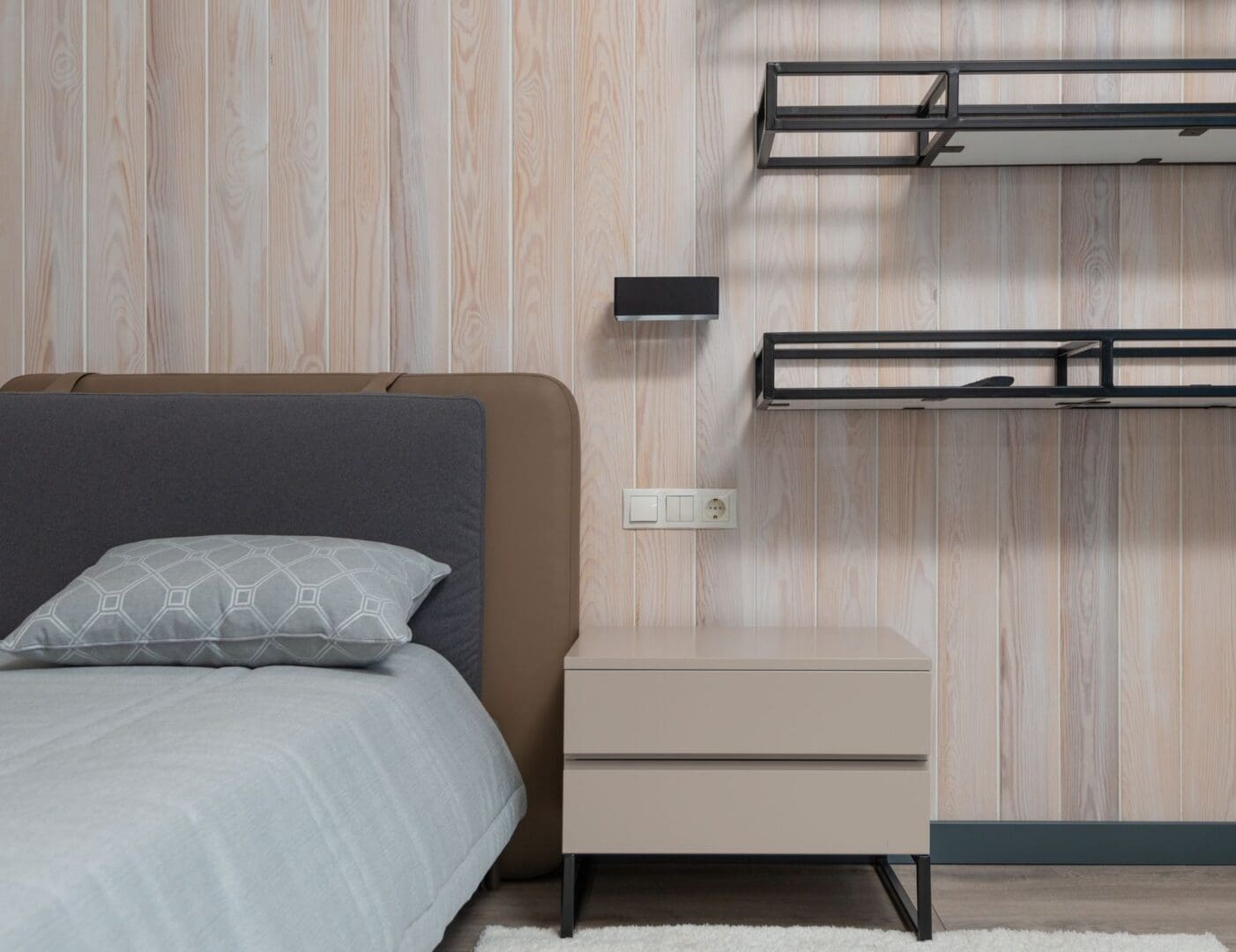
Shaker-style dressers and nightstands bring clean-lined storage to bedrooms without visual clutter. The recessed panel drawers and simple wooden knobs suit everything from minimalist to rustic interiors. Budget options start around $400 for a nightstand, while quality solid wood dressers range from $1,200-$3,000.
Shaker side tables and console tables offer versatile surfaces with that characteristic tapered leg design. These adapt well to entryways, living rooms, or as sofa tables. Prices range from $250 for smaller accent tables to $800-$1,500 for larger console pieces.
Spotting Quality Construction
Since Shaker design is all about honest construction, you should be able to see evidence of quality when you shop. Check drawer joints—dovetails are the gold standard, showing small interlocking “fingers” at corners. Open drawers and look at how they’re assembled; solid wood drawer boxes with smooth-gliding hardware indicate better quality than stapled particleboard.
Test stability by gently pushing on upper corners. Well-made pieces shouldn’t wobble or creak. Drawers should glide smoothly and close flush with the frame. Doors should hang straight and have a satisfying, solid feel when closing. These details matter because Shaker furniture is meant to be used daily for decades, not just look good in a showroom.
The beauty of Shaker furniture is its versatility. Because the design focuses on proportion, craftsmanship, and natural materials rather than trendy details, these pieces blend seamlessly into almost any decorating style while adding warmth and character. Whether you invest in authentic reproductions or choose more accessible Shaker-style options, you’re bringing home furniture designed with integrity that will serve you well for years to come.
You need more storage in your living room, but a bulky bookcase feels too heavy and floating shelves aren’t cutting it. A credenza might be exactly what you’re looking for—it’s that low-profile cabinet that gives you tons of hidden storage while creating a beautiful surface for lamps, plants, and the things you actually want to […]
If you’ve been hitting snooze repeatedly or dragging yourself out of bed feeling groggy, you’re not alone. Waking up to a jarring alarm in a dark room works against your body’s natural rhythms, especially during winter months. A sunrise alarm clock mimics natural dawn, gradually filling your room with light to ease you awake. But […]
Waking up at 3 a.m. with a sweaty neck and flipping your pillow to the cool side for the fourth time isn’t just annoying—it’s robbing you of quality sleep. If you’re a hot sleeper, your pillow might be trapping heat against your head and neck all night long. The good news? The right cooling pillow […]