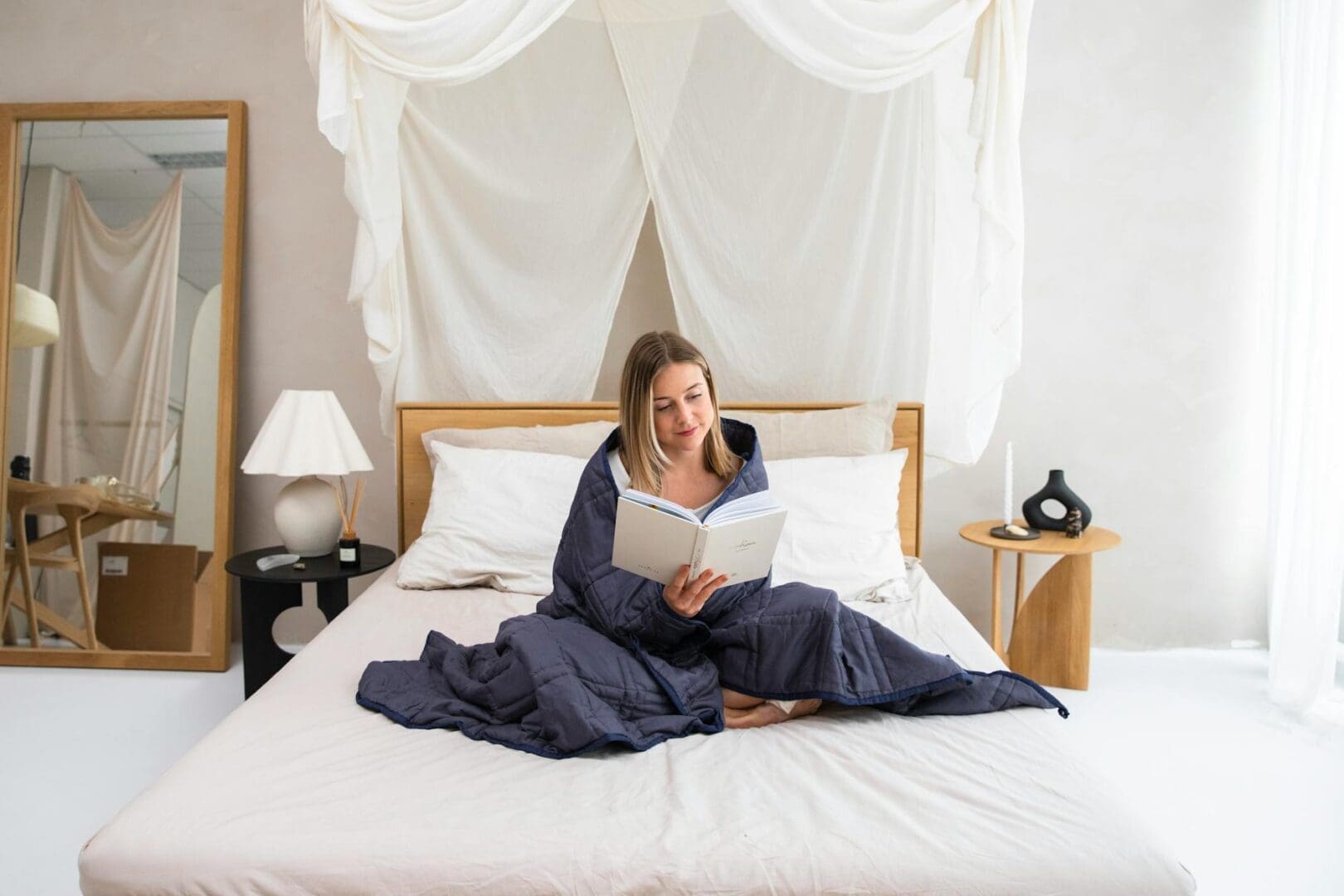
Shopping for a weighted blanket can feel surprisingly complicated when you realize they come in everything from 5 to 30 pounds with half a dozen different fill materials. If you’ve been tossing and turning at night or just want that cozy, hugged feeling while you sleep, you’re probably wondering: which weight is right for me, and does the fill material really matter? Let’s break down exactly what you need to know.
Finding Your Perfect Weighted Blanket Weight
The golden rule for weighted blankets is to choose one that’s roughly 10% of your body weight, but there’s more nuance to it than that simple formula suggests.
For adults, most weighted blankets range from 15 to 25 pounds. If you weigh 150 pounds, an 15-pound blanket is your starting point. However, if you’re new to weighted blankets or tend to feel claustrophobic, go 2-3 pounds lighter. If you love heavy bedding and want maximum pressure, you can safely go up to 12% of your body weight.
Kids need much lighter options, typically between 5 and 10 pounds, and the same 10% guideline applies. Just make sure any child using a weighted blanket can easily remove it themselves.
Here’s what many first-time buyers don’t realize: heavier isn’t always better. A 30-pound blanket might sound luxurious, but if you can’t comfortably shift positions or feel pinned down, you won’t use it. The goal is gentle, distributed pressure, not feeling trapped.
Understanding Fill Materials: Glass Beads vs. Plastic Poly Pellets
The weight in your blanket comes from small pellets sewn into pocketed compartments, and the type of fill dramatically affects how the blanket feels and performs.
Glass beads are the premium choice for good reason. They’re smaller and denser than plastic pellets, which means manufacturers can achieve the same weight with less bulk. Your blanket drapes more naturally over your body instead of feeling stiff or lumpy. Glass beads also make less noise when you move around, though you’ll still hear a subtle shifting sound. Expect to pay $80-$200 for a quality glass bead weighted blanket depending on size and weight.
Plastic poly pellets are the budget-friendly option, typically found in blankets under $60. They’re larger and lighter per pellet, so the blanket needs more fill to reach the target weight. This creates a bulkier feel that some people find less comfortable. The pellets also tend to be noisier. That said, if you’re experimenting with weighted blankets for the first time and aren’t sure you’ll love it, plastic pellets are a reasonable way to test the waters.
Steel shot beads are occasionally used in heavier blankets but are becoming less common. They’re dense like glass but can feel colder against your body.
Distribution and Construction Details That Matter
Even the perfect weight and fill won’t work if the blanket is poorly constructed. Look for small, quilted pockets, ideally 4×4 inches or smaller. This prevents all the fill from shifting to one side when you move at night.
Check the stitching quality before buying. Double-stitched seams hold up better through washing and years of use. Some blankets have reinforced corners where stress is highest, which is worth looking for in options over $100.
Most weighted blankets measure 48×72 inches for a twin or 60×80 inches for a queen, but here’s the thing: they’re meant to cover your body, not your entire mattress. Unlike a traditional comforter, you don’t want a weighted blanket hanging over the sides of your bed, which pulls the weight unevenly. The blanket should rest on top of the mattress and cover you from shoulders to feet.
Temperature Considerations and Cover Options
The fill material stays the same year-round, but the outer fabric determines whether you’ll sleep cool or overheat. Many weighted blankets come with removable, washable covers, which is incredibly practical.
Cotton covers breathe well and work for most sleepers in moderate climates. Bamboo or cooling fabrics with moisture-wicking properties help if you tend to sleep hot. Minky or fleece covers add warmth for cold winter nights but can be too much if you’re already a warm sleeper.
Budget options around $50-$70 typically have a basic cotton or microfiber cover sewn directly onto the blanket. Mid-range options from $100-$150 often include a removable cover. Splurge-worthy blankets over $150 might come with two covers for different seasons.
Your weighted blanket should match both your body and your sleep style. Start with the 10% weight guideline, invest in glass beads if your budget allows, and choose a cover that matches your temperature preferences. The right combination helps you fall asleep faster and wake up actually feeling rested.
You need more storage in your living room, but a bulky bookcase feels too heavy and floating shelves aren’t cutting it. A credenza might be exactly what you’re looking for—it’s that low-profile cabinet that gives you tons of hidden storage while creating a beautiful surface for lamps, plants, and the things you actually want to […]
If you’ve been hitting snooze repeatedly or dragging yourself out of bed feeling groggy, you’re not alone. Waking up to a jarring alarm in a dark room works against your body’s natural rhythms, especially during winter months. A sunrise alarm clock mimics natural dawn, gradually filling your room with light to ease you awake. But […]
Waking up at 3 a.m. with a sweaty neck and flipping your pillow to the cool side for the fourth time isn’t just annoying—it’s robbing you of quality sleep. If you’re a hot sleeper, your pillow might be trapping heat against your head and neck all night long. The good news? The right cooling pillow […]