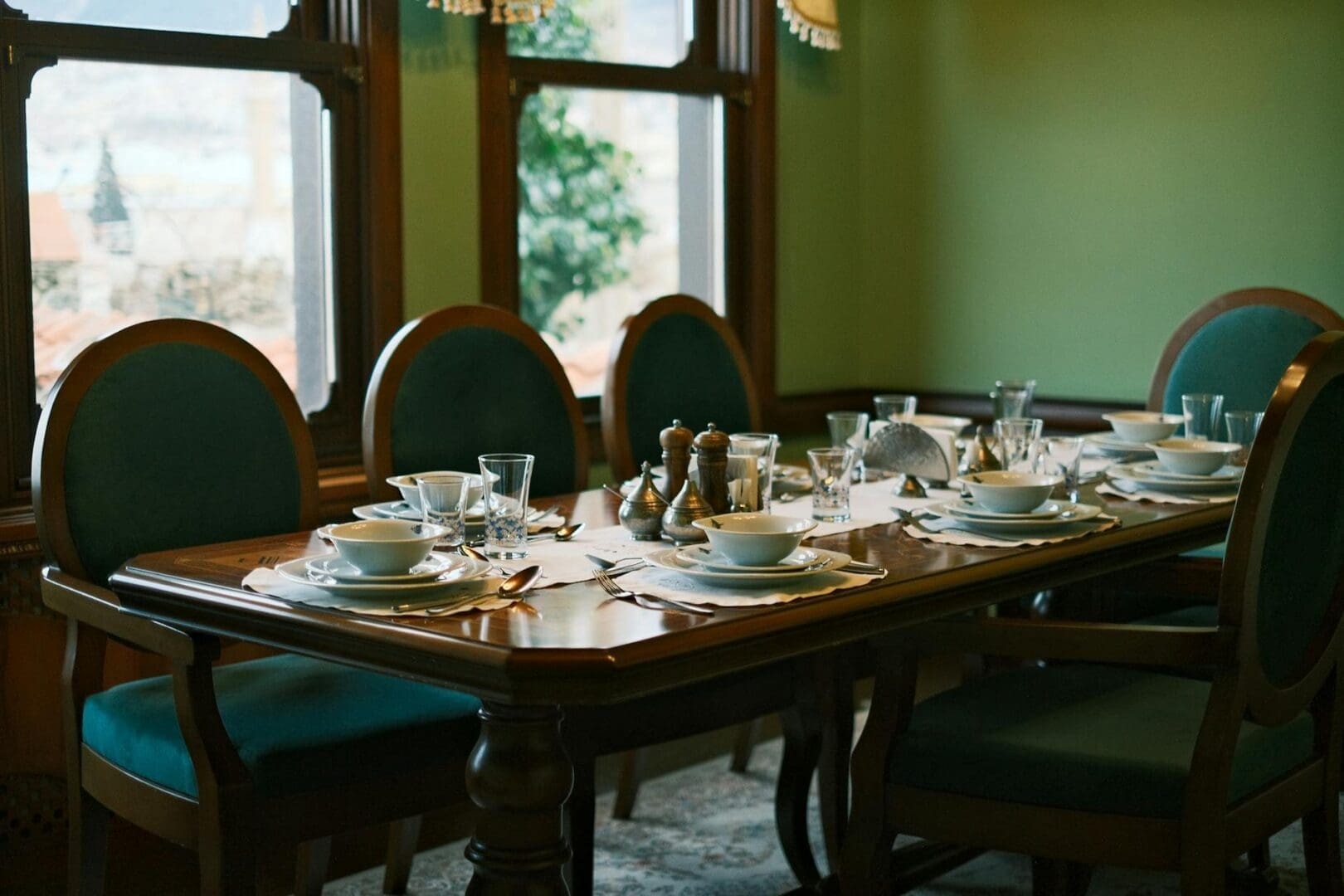
Standing in front of two gorgeous dining chairs—one wrapped in soft fabric, the other sleek and metal—you might feel genuinely torn. Both look great in the showroom, but which one will you actually want to sit in for Sunday brunch or game night three years from now? The choice between upholstered and metal dining chairs isn’t just about looks. It’s about how you live, who uses your dining room, and what trade-offs you’re willing to make.
Comfort and Daily Use
Let’s start with the obvious: upholstered chairs win the comfort contest. That cushioned seat and padded back make lingering over coffee or a long dinner party much easier on your body. If you actually use your dining room daily—for meals, homework, or working from home—upholstered chairs deliver the support you’ll appreciate.
Metal chairs, on the other hand, keep things brief. They’re perfectly fine for everyday meals, but after 30 minutes, most people start shifting around. The exception? Metal chairs with contoured seats or those hybrid styles that include a thin cushion. These split the difference nicely and typically run $80-$200 per chair.
Consider who’s sitting in these chairs most often. Families with young kids might prioritize easy cleanup over maximum comfort, while empty nesters who host dinner parties might lean toward upholstered seating that encourages guests to stay awhile.
Maintenance and Durability
Here’s where metal chairs shine. Spilled spaghetti sauce? Wipe it down. Muddy paw prints? Gone in seconds. Metal chairs—whether powder-coated steel, aluminum, or iron—are virtually indestructible and require almost zero maintenance. They’re ideal for homes with kids, pets, or anyone who eats meals without a hazmat suit handy.
Upholstered chairs require more attention. Fabric seats stain, especially lighter colors, and even performance fabrics aren’t invincible. Leather and faux leather offer better stain resistance but can crack or peel over time, particularly in budget options under $150. If you go upholstered, look for:
Removable, washable covers (a game-changer for families)
Performance fabrics with high double-rub counts (30,000+ for heavy use)
Scotchgard or similar protective treatments
Darker colors or patterns that hide inevitable wear
Quality upholstered chairs in the $200-$400 range often use better fabrics and construction that justify the investment, while metal chairs deliver excellent value even at budget prices.
Style and Versatility
Metal chairs bring an entirely different aesthetic energy. Industrial, modern farmhouse, bistro-style, mid-century—metal works across multiple design trends. They visually lighten a space because you can see through and around them, making them perfect for smaller dining rooms. Classic Tolix-style chairs and Windsor-inspired metal spindles remain perennially popular.
Upholstered chairs read more traditional and formal, though plenty of modern styles exist. They add softness and warmth to a dining space, and the fabric choice lets you introduce color, pattern, or texture. Upholstered chairs with exposed wood legs offer a nice middle ground—refined but not stuffy.
Think about your table, too. A rustic wood farmhouse table pairs beautifully with either option, while a glass or marble table might look too cold with metal chairs. Mixing materials—like upholstered head chairs with metal side chairs—gives you the best of both worlds and adds visual interest.
Budget and Longevity
Metal chairs generally cost less and last longer, making them the better value proposition. Decent metal dining chairs start around $60-$80 each, and even splurge-worthy designer versions rarely top $400. They’ll look essentially the same in ten years.
Upholstered chairs start around $100 for basic styles, but you’ll want to budget $200-$350 per chair for something that balances comfort, durability, and style. The fabric will show age before the frame does, so factor in potential reupholstering costs (typically $100-$200 per chair) if you want a forever purchase.
The sweet spot? Many homeowners buy upholstered chairs for the heads of the table where hosts sit longest, then use metal or wooden side chairs to save money and ease maintenance. For a six-chair setup, this approach keeps you comfortable where it matters while staying practical.
Your decision ultimately comes down to how you balance comfort against convenience. If your dining room sees heavy daily use with messy eaters, metal chairs make life easier. If it’s your favorite place to gather and you want people to settle in, upholstered chairs create that welcoming feel. Either way, you’re not stuck with one choice forever—dining chairs are one of the easier furniture pieces to replace when your needs or style evolve.
Hallways are the overlooked workhorses of our homes—they connect every room, but rarely get the storage love they deserve. A well-chosen sideboard transforms that narrow stretch of wall into genuinely useful space without making your hallway feel like an obstacle course. The trick is finding one that fits the proportions of the room while actually […]
Dark kitchens—whether they feature rich espresso cabinets, moody charcoal walls, or black granite countertops—create incredible drama and sophistication. But they also present a unique challenge when it comes to choosing bar stools. Pick the wrong ones, and your beautiful space can feel cave-like or visually heavy. Choose wisely, and your stools become the bright spot […]
Your kitchen peninsula is prime real estate—it’s where morning coffee happens, where kids do homework while you’re prepping dinner, and where guests naturally gather during parties. Getting the right bar stools makes all the difference between a peninsula that feels welcoming and one that sits empty. But with so many options for height, style, and […]