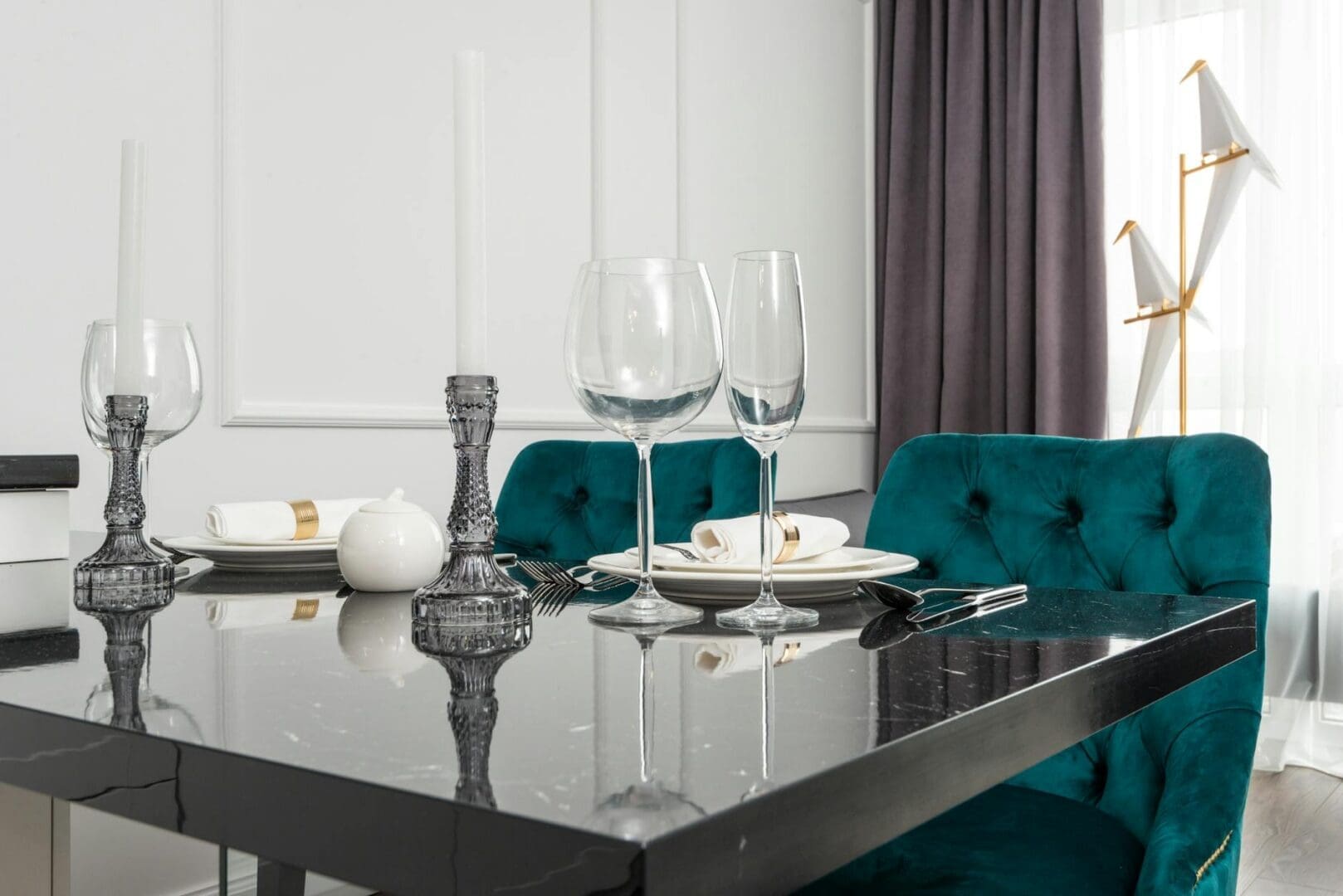
Upholstered dining chairs can transform your dining room from functional to fabulous, but let’s be honest—choosing the right fabric feels risky when you’re picturing red wine spills and spaghetti sauce disasters. The good news? With the right fabric choice and a little know-how about care, you can have both style and practicality. Here’s what you need to consider before you buy.
Understanding Fabric Durability and Performance
Not all upholstery fabrics are created equal, especially in a dining setting where chairs face daily use and the occasional mishap. The key metric to look for is the double rub count, which measures how many times fabric can be rubbed before showing wear. For dining chairs, aim for at least 15,000 double rubs—that’s considered medium duty. If you have kids or entertain frequently, look for 30,000 or higher.
Performance fabrics have become game-changers for dining furniture. These are treated or engineered to resist stains, moisture, and fading. Crypton, Sunbrella, and similar performance weaves can handle the real-world abuse of dining without sacrificing softness or style. Yes, they typically cost more—expect to pay 30-50% more than standard upholstery—but the longevity and peace of mind often justify the investment.
Natural fabrics like linen and cotton offer beautiful texture and breathability, but they’re more vulnerable to staining unless treated. If you love the look of natural fibers, ask whether they’ve been treated with a stain-resistant finish, or plan to apply a fabric protector yourself right after purchase.
Choosing the Right Fabric Type for Your Lifestyle
Your daily life should drive your fabric decision. Here’s how different materials stack up for dining use:
Velvet: Luxurious and currently popular, but requires more maintenance. Look for polyester velvet rather than silk-blend for better durability. Best for formal dining rooms with lighter use.
Linen: Casual and elegant with a relaxed texture. It wrinkles easily and stains readily unless treated. Consider linen-blend performance fabrics as a compromise.
Microfiber and synthetic blends: Your most practical option. They resist stains naturally, clean easily, and hold up to heavy use. Available at every price point from $150 to $500+ per chair.
Leather and faux leather: Technically not fabric, but worth mentioning. Both wipe clean easily, though genuine leather needs conditioning and can scratch. Faux leather is budget-friendly but may crack over time.
Bouclé: Trendy and textural, but the looped construction can snag and trap crumbs. Better suited for side chairs that see less action than head-of-table seats.
Color and Pattern Considerations
Light or dark? Pattern or solid? These decisions go beyond aesthetics when it comes to dining chairs.
Darker colors and medium tones naturally camouflage the small stains and gradual wear that accumulate over time. That doesn’t mean you can’t choose cream or white—just know that you’re committing to more frequent cleaning. Some designers actually prefer light chairs in easy-to-clean performance fabrics because any spots are visible immediately, prompting quick cleanup before they set.
Patterns can be your secret weapon. Subtle textures, tone-on-tone designs, or small-scale prints hide imperfections and wear patterns better than solid colors. A slight heathered effect or woven pattern adds visual interest while being remarkably forgiving in daily use.
Care Requirements and Maintenance Reality
Before you fall in love with a particular fabric, understand what keeping it clean actually entails. Check the cleaning code—it’s usually on a tag or listed in the product specifications:
W: Water-based cleaner safe (easiest to maintain)
S: Solvent-based cleaner only (requires special products)
SW: Either water or solvent works (gives you options)
X: Vacuum only (difficult for dining chairs)
Performance fabrics typically rate as W or SW, meaning you can spot-clean spills with mild soap and water—a realistic expectation for dining furniture. Regular vacuuming with an upholstery attachment once a week prevents dirt from embedding in the fibers.
For chairs without removable covers, professional cleaning every 12-24 months keeps them looking fresh. Budget $25-50 per chair for this service. Some manufacturers offer chairs with zip-off covers that you can machine wash—incredibly convenient if you can find styles you love with this feature.
Choosing upholstered dining chairs means balancing what you want to look at every day with what you can realistically maintain. The sweet spot? A performance fabric in a color and pattern you love, with a cleaning code that matches your willingness to fuss. Once you know these factors, you can shop with confidence, knowing your beautiful chairs will actually work for your life.
Hallways are the overlooked workhorses of our homes—they connect every room, but rarely get the storage love they deserve. A well-chosen sideboard transforms that narrow stretch of wall into genuinely useful space without making your hallway feel like an obstacle course. The trick is finding one that fits the proportions of the room while actually […]
Dark kitchens—whether they feature rich espresso cabinets, moody charcoal walls, or black granite countertops—create incredible drama and sophistication. But they also present a unique challenge when it comes to choosing bar stools. Pick the wrong ones, and your beautiful space can feel cave-like or visually heavy. Choose wisely, and your stools become the bright spot […]
Your kitchen peninsula is prime real estate—it’s where morning coffee happens, where kids do homework while you’re prepping dinner, and where guests naturally gather during parties. Getting the right bar stools makes all the difference between a peninsula that feels welcoming and one that sits empty. But with so many options for height, style, and […]