You’ve narrowed down your outdoor furniture search to hardwood, but now you’re stuck between teak and eucalyptus. Both are gorgeous, weather-resistant options that’ll last for years, but they have distinct differences in price, maintenance, and aging characteristics. Let’s break down what makes each wood special so you can choose the right one for your space and lifestyle.
Durability and Weather Resistance
Both teak and eucalyptus are hardwoods that naturally resist rot, insects, and moisture—but teak is the undisputed champion here. Teak contains high levels of natural oils and silica that make it virtually impervious to the elements. It’s been the go-to choice for boat decks and high-end outdoor furniture for generations because it can handle everything from blazing sun to torrential rain without warping or cracking.
Eucalyptus is also impressively durable, though it requires a bit more care to maintain its integrity. It’s naturally resistant to rot and pests, and it holds up well in most climates. However, eucalyptus has lower oil content than teak, which means it’s slightly more vulnerable to moisture damage if left completely untreated. If you live in an area with harsh winters or intense UV exposure year-round, teak might give you more peace of mind.
That said, quality eucalyptus furniture that’s been kiln-dried and properly finished can easily last 20+ years with routine maintenance. For most homeowners, eucalyptus offers more than enough durability—especially for covered patios or mild climates.
Appearance and Aging Over Time
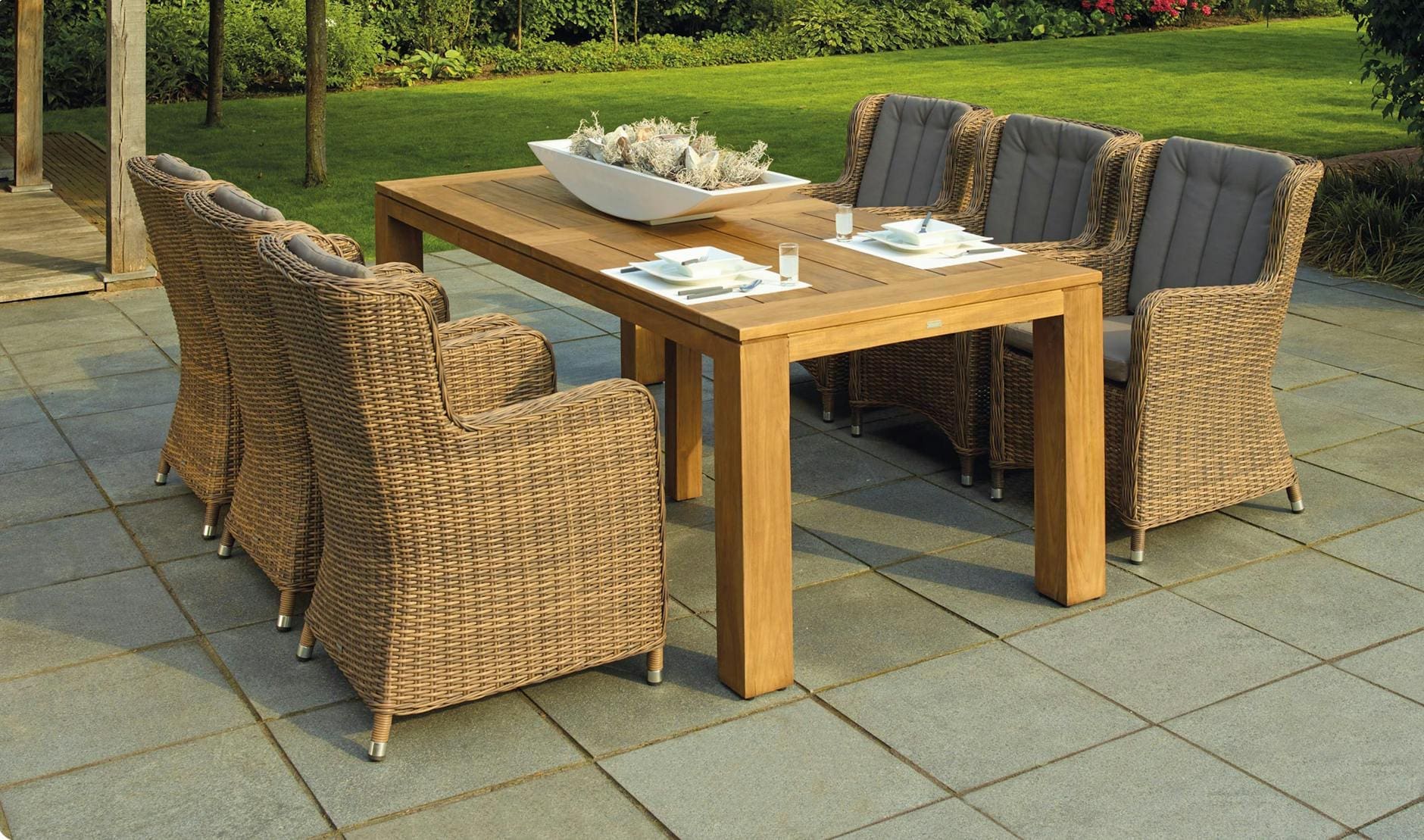
Here’s where personal preference really comes into play. Teak has a rich, golden-brown color with tight, straight grain patterns that many people find classic and elegant. Left untreated, it develops a silvery-gray patina over time—a look some homeowners love for its weathered, coastal vibe, while others prefer to maintain the original honey tones with seasonal oiling.
Eucalyptus has a slightly redder undertone and more varied grain patterns, giving it a warm, inviting appearance. It also weathers to gray if left unsealed, though the process happens a bit faster than with teak. The grain tends to be more prominent and textured, which some people find more visually interesting than teak’s uniform look.
Both woods accept stains and sealers beautifully if you want to maintain or enhance their natural color. The key difference is that teak’s natural oils mean you can skip sealing entirely if you’re okay with the patina, while eucalyptus benefits from regular sealing to maximize its lifespan.
Maintenance Requirements
Teak is famously low-maintenance. You can leave it completely untreated and it’ll still last for decades—just expect that gray patina. If you prefer the golden color, plan to clean it annually and apply teak oil or sealer once or twice a year. That’s it. Teak doesn’t splinter easily and maintains its structural integrity with minimal intervention.
Eucalyptus asks for a bit more attention. To keep it looking and performing its best, you’ll want to:
Apply a water-repellent sealant every 6-12 months, depending on your climate
Clean with mild soap and water at least twice yearly
Store cushions and cover furniture during harsh weather if possible
Check for and address any moisture damage promptly
This isn’t backbreaking work, but it’s definitely more involved than teak’s hands-off approach. If you enjoy caring for your outdoor space and don’t mind a seasonal ritual, eucalyptus maintenance can be satisfying. If you want true set-it-and-forget-it furniture, teak wins.
Price and Value Considerations
Here’s the big differentiator: teak typically costs 50-70% more than eucalyptus. A teak dining set might run $2,000-$5,000, while a comparable eucalyptus set could be $800-$2,000. Teak benches, loungers, and sectionals command premium prices because of the wood’s slow growth rate and exceptional properties.
Eucalyptus offers remarkable value for homeowners who want genuine hardwood furniture without the teak price tag. It’s a fast-growing, sustainable wood that performs beautifully when properly maintained. You’re not sacrificing quality—you’re just choosing a wood that requires more involvement in exchange for significant savings.
Think of it this way: teak is the luxury investment piece you buy once and enjoy for a lifetime with zero fuss. Eucalyptus is the smart, stylish choice that delivers excellent performance and beauty when you’re willing to be an active participant in its care.
Both woods bring natural warmth and durability to your outdoor space. If your budget allows and you value hands-off maintenance, teak is worth every penny. If you’re watching costs or actually enjoy seasonal furniture care, eucalyptus gives you that premium hardwood look and feel without the premium price. Either way, you’re choosing quality materials that’ll make your patio a place you actually want to spend time.
You’ve fallen for the classic look of Adirondack chairs, but now you’re stuck at the fork in the road: traditional wood or modern poly? It’s not just about aesthetics—this decision affects how much time you’ll spend on maintenance, how long your chairs will last, and whether you’ll be repainting in two years or still enjoying […]
There’s something wonderfully ironic about the Adirondack chair’s origin story. Back in 1903, Thomas Lee was vacationing in Westport, New York, frustrated by the lack of comfortable outdoor seating that could handle the sloped terrain of his property. So he built a wide-backed, slatted chair with a reclined seat—and accidentally created an icon. Today, you’ll […]
Nothing pulls together a patio quite like an outdoor rug—it defines your seating area, adds comfort underfoot, and makes the whole space feel more intentional. But get the size wrong, and it can look like a bath mat floating in the middle of your deck or a carpet that swallows your furniture whole. The good […]