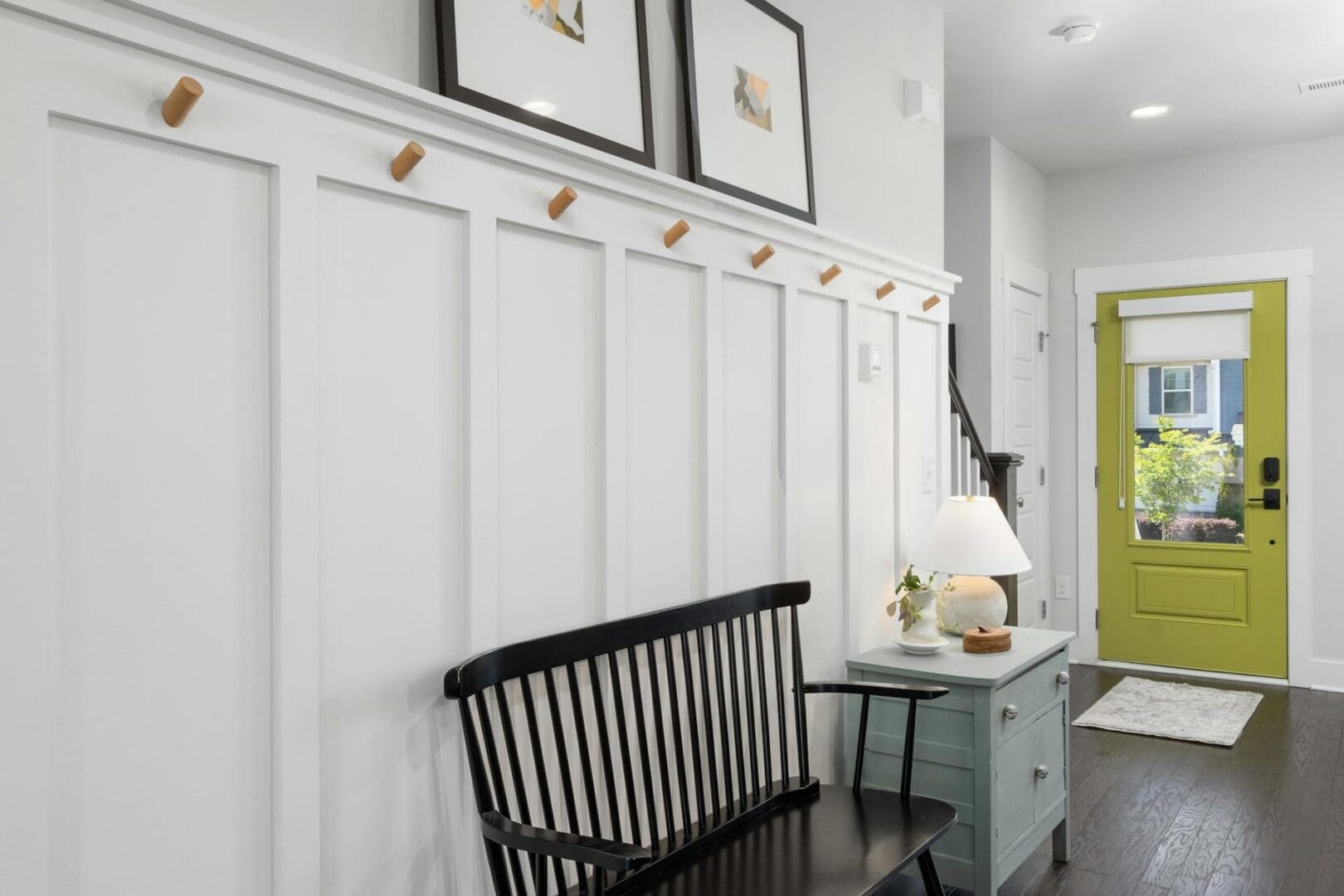
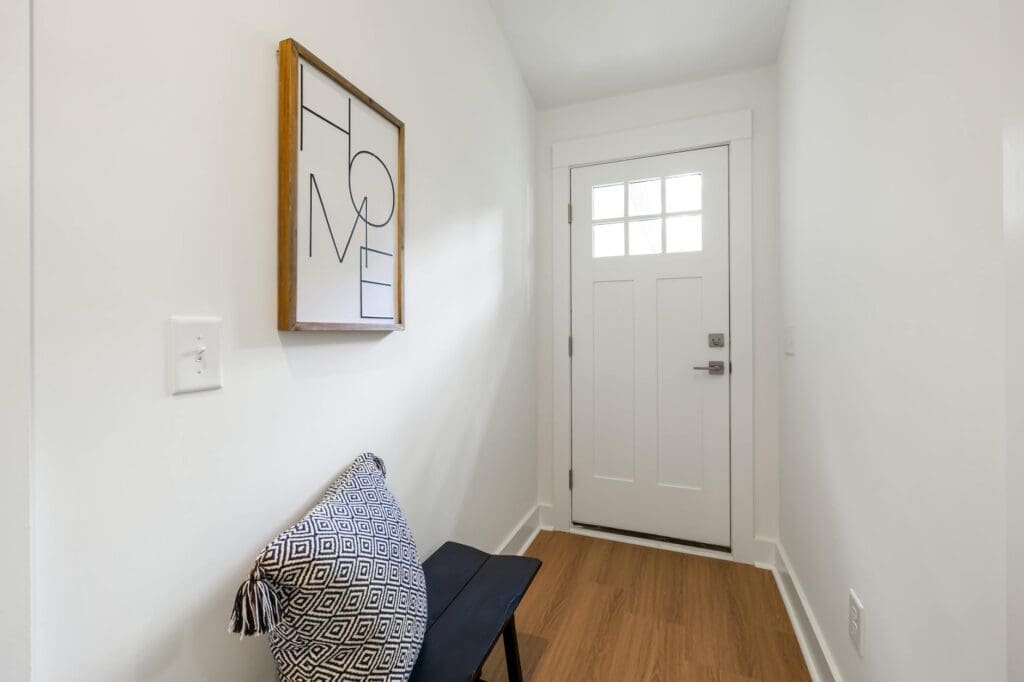
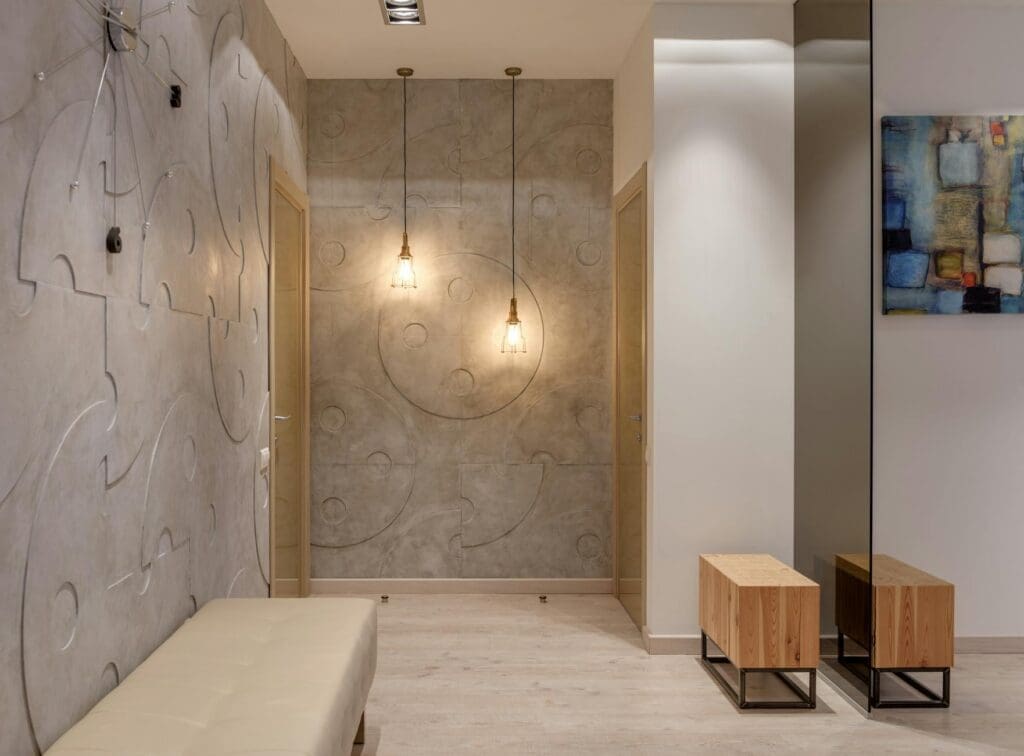
You’ve found the perfect spot for a bench—maybe it’s your entryway, the foot of your bed, or a mudroom nook. Now comes the real question: do you go with a sleek regular bench or opt for one with hidden storage? Both have their place, but the right choice depends on your space, lifestyle, and what you actually need from this piece of furniture.
Let’s break down the practical differences so you can choose the bench that’ll work hardest for your home.
Storage Capacity and Functionality
The obvious difference is right in the name. Storage benches feature a lift-top seat or pull-out drawers underneath, giving you a place to stash everything from winter scarves to kids’ toys. A regular bench is just a seat—clean-lined and simple, with no hidden compartments.
Storage benches typically hold between 50 and 150 pounds of items depending on size, making them ideal for entryways where you need to corral shoes, dog leashes, and bags. They’re also brilliant at the foot of a bed for extra blankets and off-season clothes. If you’re living in a smaller home or apartment where every square foot counts, that hidden storage can be a genuine game-changer.
Regular benches, on the other hand, excel when you simply need seating or a design statement. They’re perfect for hallways, dining rooms as alternative seating, or mudrooms where you’ve already got plenty of cubbies and hooks. Without the storage mechanism, they often feel lighter and more elegant—especially upholstered versions with exposed legs.
Design and Visual Weight
Here’s where things get interesting. Regular benches typically have a more streamlined profile. They can feature delicate turned legs, slim metal frames, or beautiful wood craftsmanship that becomes a focal point. Because they don’t need to accommodate storage, designers have more freedom with the shape and structure.
Storage benches tend to be bulkier by necessity—they need depth and height to hold items. Most measure 16-20 inches deep and 18-20 inches high, which can make them feel substantial in a small space. That said, modern storage benches have come a long way. You’ll find tufted upholstered versions that look like elegant ottomans and sleek wood designs with hidden hinges that don’t scream “storage.”
If your room has plenty of visual breathing room and you need the function, a storage bench works beautifully. But if you’re working with a narrow hallway or want something that feels more furniture-than-function, a regular bench might suit your aesthetic better.
Price and Long-Term Value
Budget matters, and there’s a noticeable price difference between the two. Regular benches start around $80-150 for basic upholstered or wood options, with mid-range pieces running $200-400. You can splurge on designer benches with premium materials for $500+, but you’re primarily paying for materials and design.
Storage benches generally cost more due to the added hardware and construction—expect to spend $150-250 for decent quality at the budget end, $300-600 for mid-range options with better materials and smooth-operating hinges, and $700+ for high-end pieces. The mechanisms matter here; cheap hinges and flimsy lids become frustrating quickly.
Think about long-term value, though. If that storage bench eliminates the need for a separate basket tower or shoe rack, you’re actually consolidating furniture and potentially saving money and space. A regular bench might cost less upfront but could leave you buying additional storage solutions later.
Making the Right Choice for Your Space
The best bench for you comes down to honest assessment. Do you have a storage problem or a seating problem? Walk through your space and consider what’s actually cluttering your surfaces or floors right now.
Choose a storage bench if you need to hide everyday items, have limited closet space, or want furniture that multitasks. They’re particularly valuable in high-traffic zones like entryways and mudrooms where family members need quick access to daily essentials.
Go with a regular bench when you’ve got storage figured out and want the piece to serve as beautiful, functional seating. They’re wonderful in dining rooms, bedrooms where you want a more refined look, or anywhere you’d rather showcase the bench itself than hide things inside it.
Either way, measure your space carefully and sit on the bench in person if possible. Whether it’s got storage or not, a bench that’s uncomfortable or the wrong height won’t get used—and that’s the real waste.
A cramped entryway with shoes scattered everywhere isn’t just frustrating—it’s usually the first thing you and your guests see when walking through the door. The good news? Even the smallest entryway can stay organized with the right shoe rack. The challenge is finding one that actually fits your space without making it feel even more […]
Your entryway deserves better than a pile of shoes and jackets on the floor, but quality entryway benches can easily run $300 to $800 or more. The good news? Building your own bench is more approachable than you might think, and you can create something functional and stylish for a fraction of the retail price. […]
If you’re tired of tripping over shoes the moment you walk through the door, a shoe bench with storage might be exactly what your entryway needs. These hardworking pieces combine seating with hidden or open storage, giving you a comfortable spot to put on shoes while keeping them organized and out of sight. But with […]