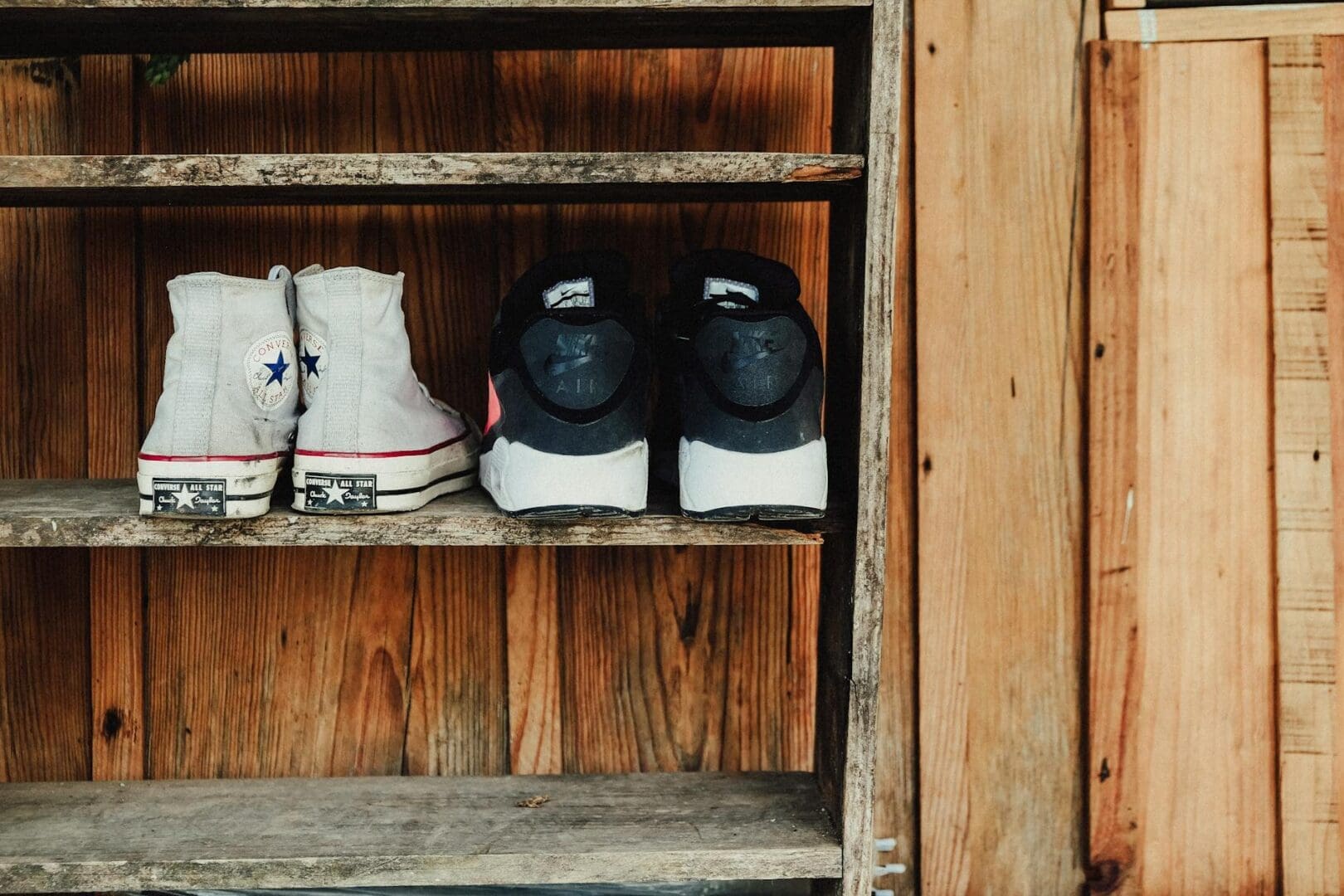
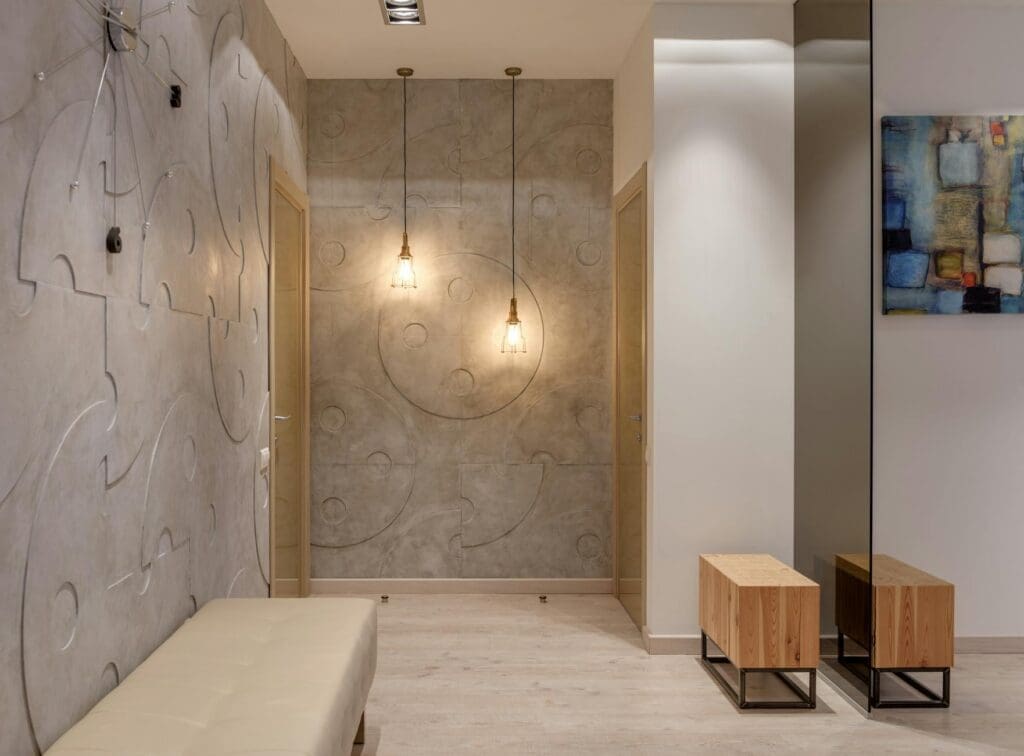
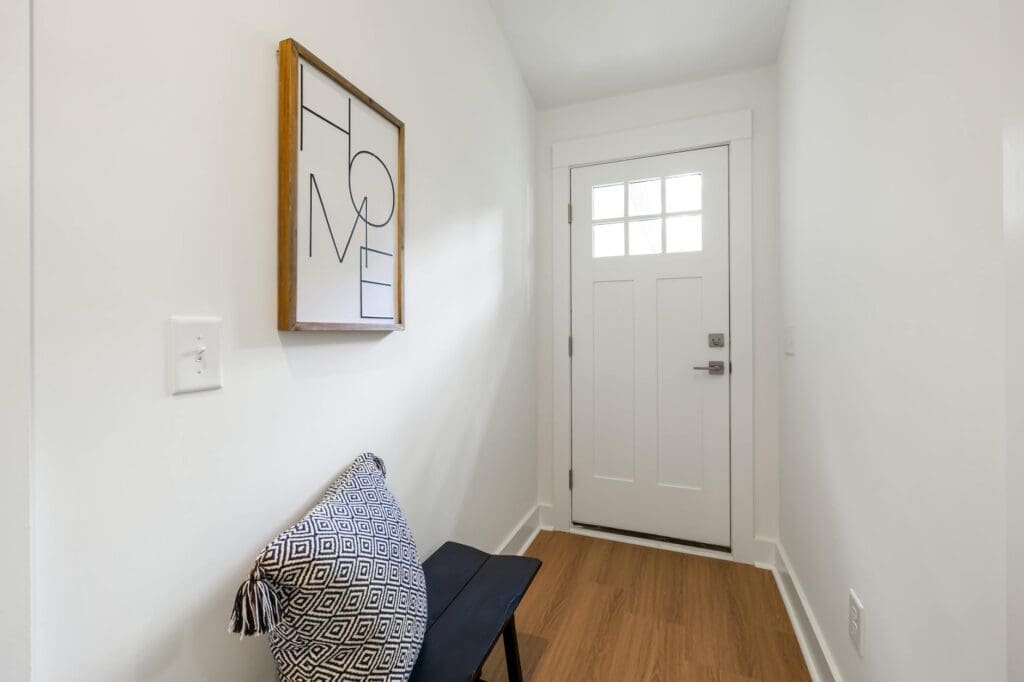
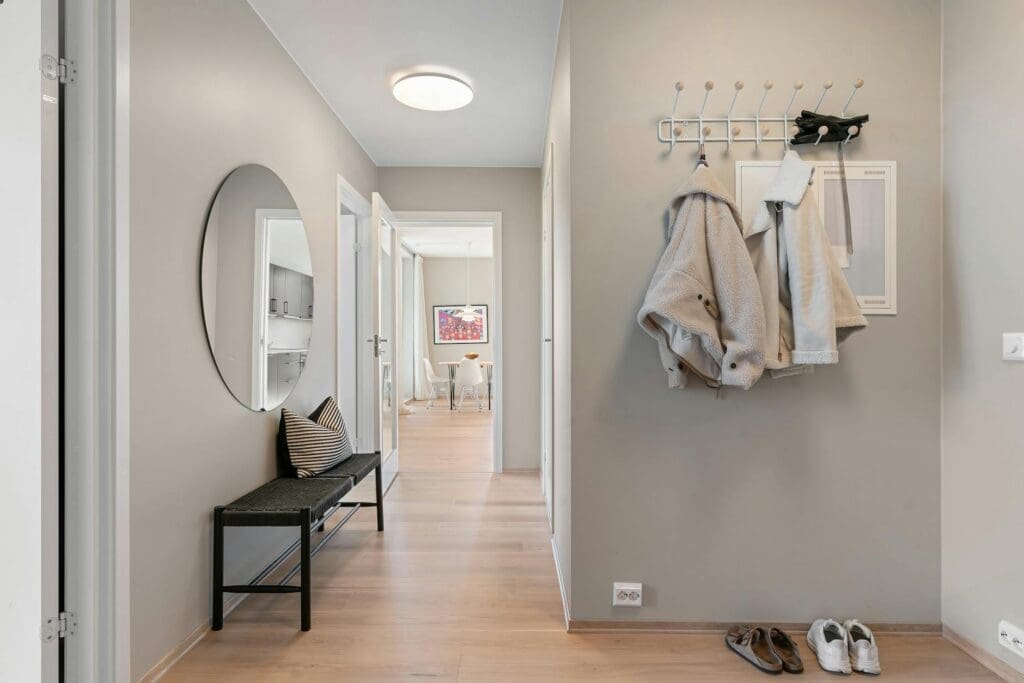
A cramped entryway with shoes scattered everywhere isn’t just frustrating—it’s usually the first thing you and your guests see when walking through the door. The good news? Even the smallest entryway can stay organized with the right shoe rack. The challenge is finding one that actually fits your space without making it feel even more cramped.
Measure Your Space (And Your Shoe Collection)
Before you fall in love with any particular style, pull out the measuring tape. You need three key measurements: the width of your available wall or floor space, the depth from wall to where you can’t block traffic flow, and the height if you’re dealing with low ceilings or want something that fits under a coat hook.
Most small entryways can accommodate shoe racks that are 24-36 inches wide and 10-12 inches deep. Anything deeper will likely jut out too far and create a tripping hazard. Then count your household’s everyday shoes—not every pair you own, just the ones that typically pile up by the door. A family of four might need storage for 8-12 pairs of daily rotation shoes. This number will guide your capacity needs.
Vertical vs. Horizontal Storage
When floor space is limited, think vertically. Tall, narrow shoe racks maximize storage without eating up precious square footage. A slim tower-style rack measuring just 8-10 inches wide can hold 12-18 pairs while fitting in corners or beside doorways where nothing else would work.
Wall-mounted shoe racks are another smart vertical solution. They keep the floor completely clear, which makes small spaces feel more open. Look for options with tilted shelves or cubbies that display shoes at an angle—these typically hold 9-12 pairs and work especially well for sneakers and flats. Budget options start around $40-60, while sturdier wood or metal wall-mounted units run $80-150.
Horizontal benches with shoe storage underneath serve double duty in tight entryways. You get a place to sit while putting on shoes plus hidden storage for 6-9 pairs. These work best if you have 30-36 inches of wall space and need that seating function. Expect to spend $70-120 for basic models or $150-300 for upholstered benches with more refined finishes.
Material and Style Considerations
Metal wire racks are the most budget-friendly option at $25-50, and they allow air circulation which helps prevent odors. The downside? They can look industrial and flimsy. If your entryway is visible from main living areas, you might want something more polished.
Wood shoe racks create a warmer, more furniture-like appearance. They blend better with home decor and feel sturdier, though they typically cost more—$60-200 depending on finish quality. Bamboo offers a nice middle ground with natural antimicrobial properties and moderate pricing around $50-90.
Fabric or canvas shoe organizers work well if you’re renting or can’t install anything permanent. Over-the-door models utilize completely unused space, though they’re best for lightweight shoes like flats and sandals rather than heavy boots. These run $20-40 and can store 12-24 pairs depending on pocket size.
Smart Features for Compact Spaces
Look for shoe racks with adjustable or removable shelves so you can accommodate both flat sandals and tall boots. Some models include an umbrella stand, key hooks, or a top shelf for mail—helpful when you’re working with limited entryway real estate.
Enclosed cabinets with doors or drop-front drawers hide clutter completely, which creates a cleaner look in small spaces where everything is visible. You’ll pay a premium—usually $100-250—but the visual calm might be worth it if your entryway opens directly into your living room.
Stackable modular units let you start small and add sections as needed. Two or three cube units can be arranged horizontally along a wall or stacked vertically in a corner, giving you flexibility as your needs change.
The right shoe rack for your small entryway balances your storage needs with your available space and budget. Prioritize vertical options if floor space is extremely tight, choose materials that match your home’s style, and don’t forget to measure before you buy. Once you’ve cleared those shoes off the floor, you’ll be amazed how much more welcoming even the smallest entryway can feel.
If you’re tired of tripping over shoes the moment you walk through the door, a shoe bench with storage might be exactly what your entryway needs. These hardworking pieces combine seating with hidden or open storage, giving you a comfortable spot to put on shoes while keeping them organized and out of sight. But with […]
Your entryway deserves better than a pile of shoes and jackets on the floor, but quality entryway benches can easily run $300 to $800 or more. The good news? Building your own bench is more approachable than you might think, and you can create something functional and stylish for a fraction of the retail price. […]
Let’s be honest—no matter how beautiful your entryway starts out, shoes have a way of taking over. One pair by the door turns into three, then suddenly there’s a jumbled pile that makes you cringe every time you walk in. The good news? An organized shoe area isn’t about having less stuff or being naturally […]