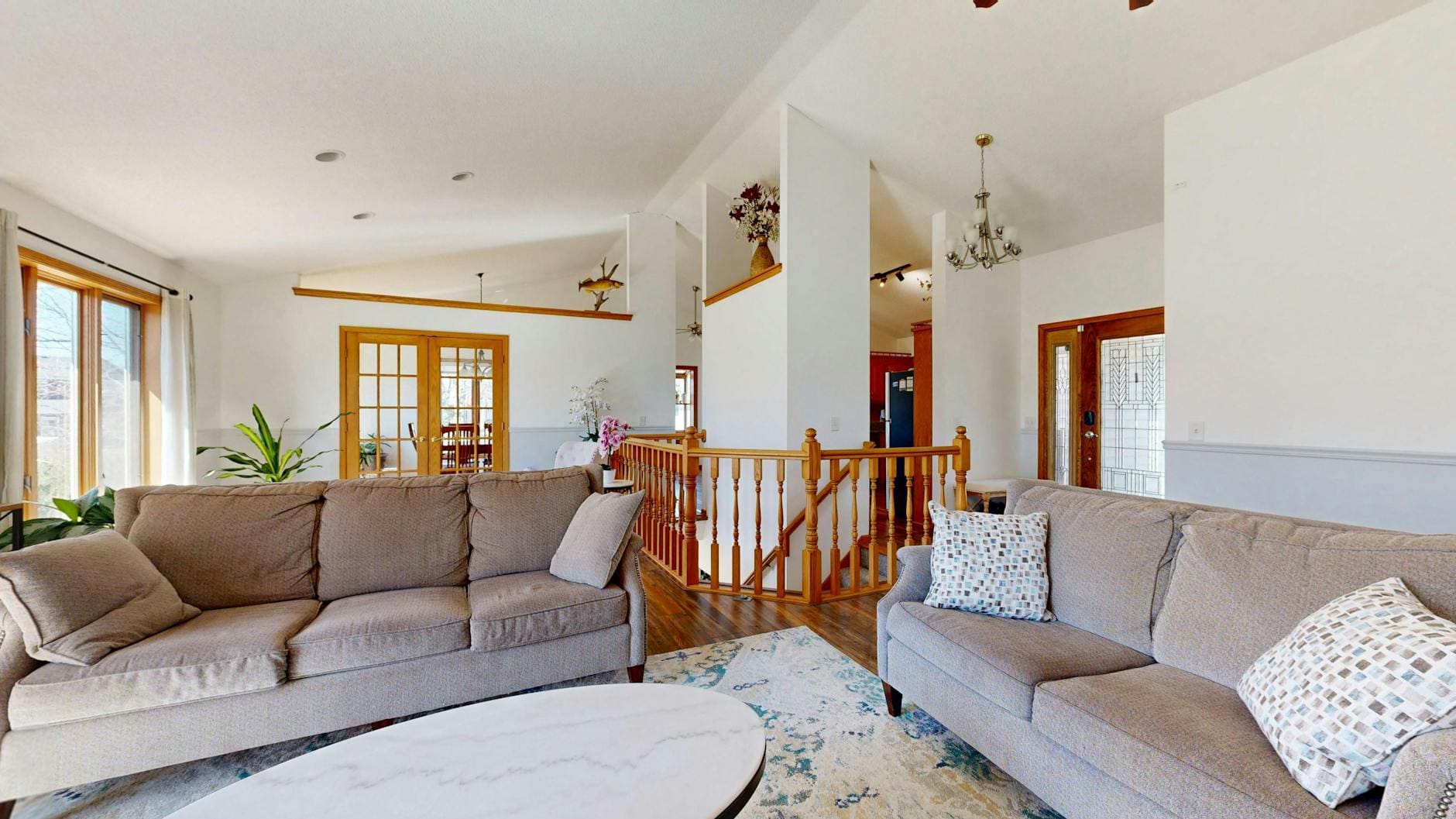
A sofa is probably the hardest-working piece of furniture in your home. It hosts movie nights, Sunday naps, work-from-home lunch breaks, and everything in between. So when you’re shopping for one, the real question isn’t just “Do I love how it looks?” but “Will I still love it—and will it still be comfortable—a decade from now?” Here’s what actually matters when you’re looking for a sofa that goes the distance.
Start With the Frame: Your Sofa’s Foundation
The frame is everything. You can reupholster cushions and swap out fabric, but if the frame fails, your sofa is done. Look for kiln-dried hardwood frames—maple, oak, or ash are your best bets. These woods resist warping and can handle daily use without creaking or wobbling.
Avoid sofas with frames made from particle board or plastic, even if the price seems right. Budget sofas typically run $500-$1,200 and often use these cheaper materials. Mid-range options ($1,200-$3,000) usually feature solid hardwood or high-quality plywood. At the splurge level ($3,000+), you’re getting premium hardwoods with reinforced corner blocks and double-doweled joints.
When you’re in a showroom or reading product descriptions online, check the joinery. The best frames use dowels, corner blocks, and screws—not just staples or glue. If a retailer won’t tell you what the frame is made of, that’s your answer.
Cushion Construction Makes or Breaks Comfort
Here’s where most sofas show their age first. Those cushions that feel cloud-like in the store? They might be pancake-flat in 18 months if they’re made with low-density foam.
Look for high-density foam with a rating of at least 1.8 pounds per cubic foot for the seat cushions—2.0 or higher is even better. Many quality sofas layer high-density foam with down or fiber wraps, giving you both support and that sink-in softness. Spring-down cushions (with inner coil systems) are the gold standard for longevity, though they’ll cost more.
Reversible cushions are your friend. Being able to flip seat cushions means even wear, which can double their lifespan. Some manufacturers also offer replacement cushion cores, which is worth asking about if you’re planning to keep your sofa for the long haul.
Fabric Durability: Beyond Pretty Patterns
The most gorgeous sofa in the world won’t last if the fabric can’t handle your lifestyle. Performance fabrics have come a long way—they’re no longer the stiff, hospital-waiting-room materials they used to be.
Pay attention to the rub count (also called double rubs or Wyzenbeek rating). For residential use, aim for at least 15,000 double rubs. If you have kids, pets, or entertain frequently, look for 30,000 or higher. Tightly woven fabrics like canvas, microfiber, and performance blends resist pilling and wear better than loose weaves.
Leather is a solid choice for durability—it actually gets better with age—but it requires different care than fabric. Top-grain leather ($2,500+) develops a nice patina, while bonded leather (often under $1,500) tends to peel and crack within a few years. If your budget doesn’t stretch to real leather, a high-quality performance fabric is a smarter choice than cheap leather.
Match the Sofa to Your Real Life
Think honestly about how you live. A low-slung modern sofa with sleek metal legs might look amazing, but if you have a bad back or older family members visit often, a style with a higher seat and supportive arms makes more sense—and you’ll actually use it comfortably for years.
Consider the scale for your space, too. An oversized sectional might be your dream, but if it overwhelms your room or you’ll need to get rid of it when you move, it’s not a 10-year sofa for you. The best sofa is one that fits your current space with some flexibility for future homes.
And here’s something people don’t think about enough: how will it get into your home? Measure doorways, stairwells, and elevators. Many quality sofas come with removable legs or modular designs specifically so they can navigate tight spaces.
Buying a sofa that lasts a decade isn’t about spending the most money—it’s about understanding what construction features matter and matching them to how you’ll actually use the piece. Focus on a solid hardwood frame, high-density cushions, and durable upholstery, and you’ll be setting yourself up for years of comfortable seating. When you find one that checks these boxes and makes you excited to come home, that’s the one worth buying.
You need more storage in your living room, but a bulky bookcase feels too heavy and floating shelves aren’t cutting it. A credenza might be exactly what you’re looking for—it’s that low-profile cabinet that gives you tons of hidden storage while creating a beautiful surface for lamps, plants, and the things you actually want to […]
If you’ve been hitting snooze repeatedly or dragging yourself out of bed feeling groggy, you’re not alone. Waking up to a jarring alarm in a dark room works against your body’s natural rhythms, especially during winter months. A sunrise alarm clock mimics natural dawn, gradually filling your room with light to ease you awake. But […]
Waking up at 3 a.m. with a sweaty neck and flipping your pillow to the cool side for the fourth time isn’t just annoying—it’s robbing you of quality sleep. If you’re a hot sleeper, your pillow might be trapping heat against your head and neck all night long. The good news? The right cooling pillow […]