Your patio shouldn’t feel like an afterthought. It’s extra living space that deserves the same attention you’d give your family room—just with better weather. If you’re looking to refresh your outdoor area this year, you’re in luck. The latest patio trends strike that perfect balance between looking gorgeous and actually being livable, which is exactly what you need when you’re spending real time outside.
Modular Seating That Works for You
Gone are the days of matching five-piece conversation sets that never quite fit your space. Modular outdoor sectionals are having a moment, and for good reason. These configurable pieces let you create the exact seating arrangement your patio needs, whether that’s a deep L-shape for entertaining or a streamlined sofa for smaller spaces.
Look for modular sets with armless middle sections and flexible corner pieces. Budget-friendly options start around $800-$1,200 for a basic four-piece set in all-weather wicker. Mid-range picks ($1,500-$3,000) often feature aluminum frames with weather-resistant cushions in performance fabrics. Splurge-worthy modular collections ($3,500+) typically include teak or powder-coated steel frames with solution-dyed acrylic cushions that resist fading for years.
The beauty here is flexibility. Host a party and spread the pieces out. Want a cozy movie night outside? Push them together into a daybed configuration. Your patio setup can change with your needs.
Natural Materials Making a Comeback
There’s a shift away from ultra-modern industrial looks toward warmer, more organic materials. Teak, eucalyptus, and acacia wood are showing up everywhere—not just in traditional designs, but in clean-lined contemporary pieces that feel current without looking cold.
Natural fiber rugs are another trend worth embracing. Jute and sisal outdoor rugs (properly treated for weather resistance) add texture and help define seating areas. They’re surprisingly durable and available at every price point, from $100 for a 5×7 to $600+ for larger premium options.
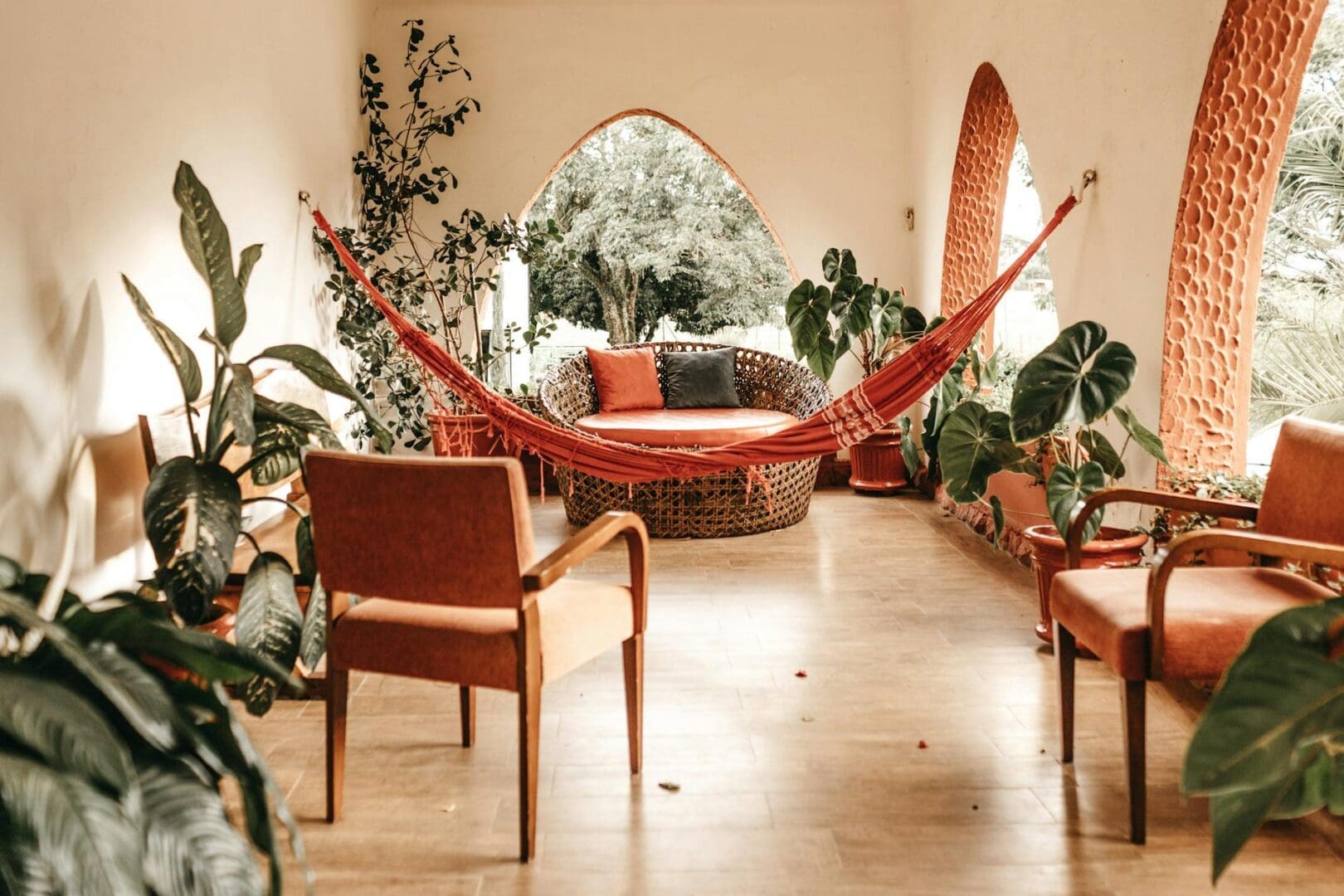
Rattan and wicker—the real stuff, not resin—are also resurging, especially in covered patios where they’re protected from harsh elements. These materials bring an effortless, collected-over-time vibe that feels personal rather than catalog-perfect. Pair wooden furniture with ceramic planters and natural stone accents to complete the look.
Outdoor Rooms With Real Function
The biggest shift in patio design is treating outdoor spaces like actual rooms. That means investing in pieces that do more than look pretty. Outdoor coffee tables with hidden storage keep cushions and throws handy. Weatherproof cabinets hold entertaining essentials. Console tables behind sofas create drink ledges and display space.
Layered lighting is crucial here. String lights are charming, but add lanterns on side tables, LED candles in hurricane holders, and maybe a statement pendant over your dining area if you have overhead structure. Budget $200-$500 for a good lighting mix that creates ambiance after sunset.
Weather-resistant side tables ($80-$300) and ottomans that double as extra seating ($150-$400) make your patio genuinely functional. Look for pieces with UV-resistant finishes and drainage holes if they’ll live outside year-round.
Shade Solutions That Look Intentional
Shade isn’t optional anymore—it’s essential. But the massive market umbrellas of years past are giving way to more architectural solutions. Cantilever umbrellas ($300-$1,200) free up floor space and look cleaner. Sail shades ($150-$600) create dramatic angles and work beautifully over modern patios. Pergolas with retractable canopies offer flexibility between sun and shade.
Even traditional umbrellas have gotten smarter. Look for bases with wheels for easy repositioning, tilt mechanisms for following the sun, and fade-resistant canopy fabrics. A quality 9-foot market umbrella runs $200-$500, while cantilever options with rotation and tilt features range from $400-$1,200.
Your patio deserves better than whatever’s been sitting out there since you moved in. These trends work because they’re rooted in how people actually use outdoor spaces—for morning coffee, weekend dinners, and everything in between. Start with one or two updates that solve your biggest pain points, whether that’s uncomfortable seating or no shade at dinner time. Your outdoor space should pull you outside, not leave you making excuses to stay in.
You’ve fallen for the classic look of Adirondack chairs, but now you’re stuck at the fork in the road: traditional wood or modern poly? It’s not just about aesthetics—this decision affects how much time you’ll spend on maintenance, how long your chairs will last, and whether you’ll be repainting in two years or still enjoying […]
There’s something wonderfully ironic about the Adirondack chair’s origin story. Back in 1903, Thomas Lee was vacationing in Westport, New York, frustrated by the lack of comfortable outdoor seating that could handle the sloped terrain of his property. So he built a wide-backed, slatted chair with a reclined seat—and accidentally created an icon. Today, you’ll […]
Nothing pulls together a patio quite like an outdoor rug—it defines your seating area, adds comfort underfoot, and makes the whole space feel more intentional. But get the size wrong, and it can look like a bath mat floating in the middle of your deck or a carpet that swallows your furniture whole. The good […]