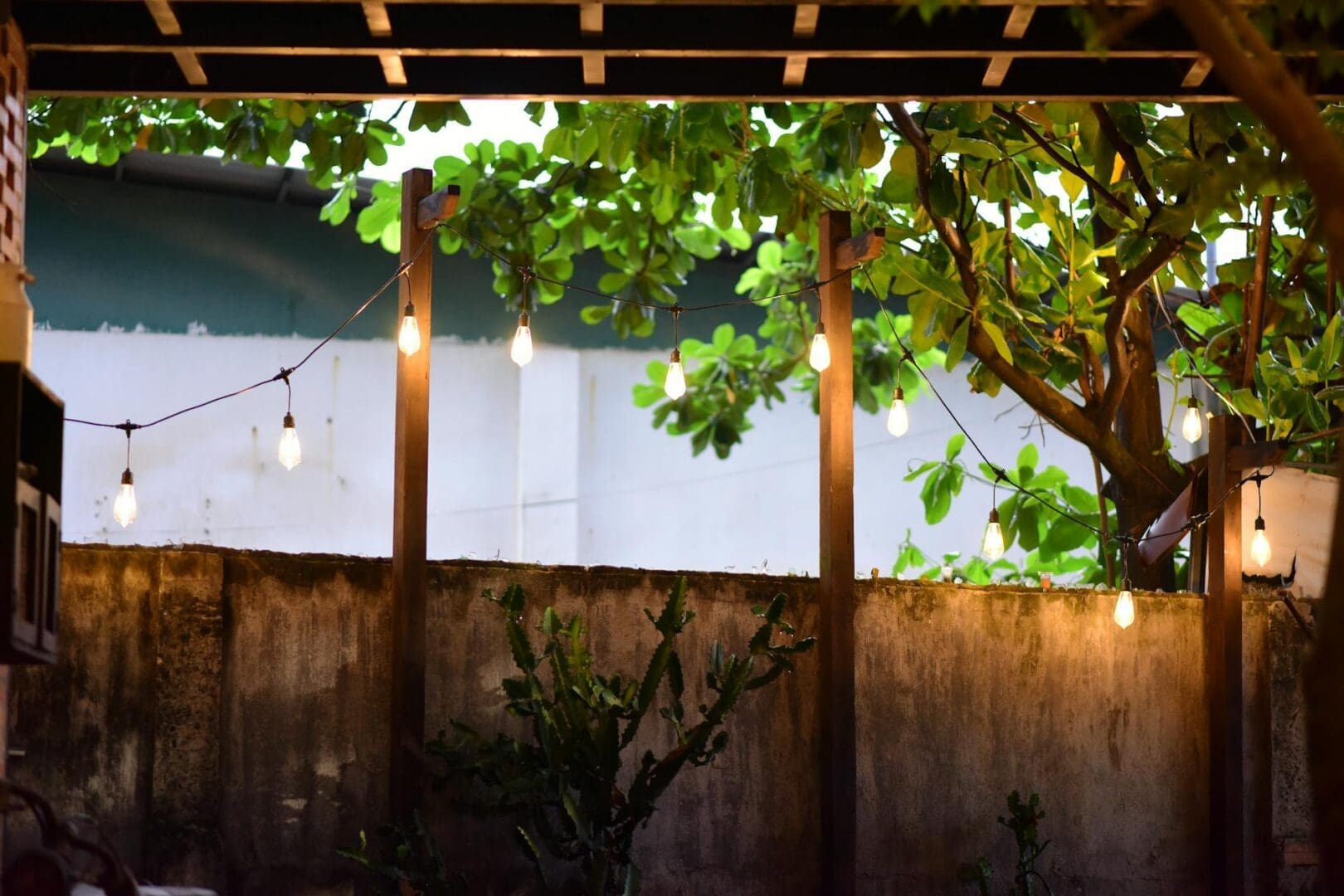
There’s something magical about string lights transforming an ordinary patio into an inviting outdoor retreat. Whether you’re planning intimate dinners or weekend gatherings, the right lighting sets the mood while extending your outdoor living hours well past sunset. But walk into any home store or browse online, and you’ll quickly realize there are dozens of options—from vintage Edison bulbs to solar-powered LEDs. Let’s break down what actually matters when choosing string lights for your patio.
Bulb Type: LED vs. Incandescent
This decision affects everything from your energy bill to how often you’ll be replacing bulbs. Traditional incandescent string lights give you that warm, nostalgic glow everyone loves, but they burn hot, use more electricity, and typically last only 1,000-2,000 hours. If you’re the type who leaves lights on for hours every evening, expect to replace bulbs annually.
LED string lights have come a long way in replicating that warm ambiance while lasting 25,000-50,000 hours. Yes, they cost more upfront—budget incandescent sets start around $20-30, while quality LED strings run $40-80 for a 25-foot strand—but you’ll save on replacement costs and energy bills. LED bulbs also stay cool to the touch, which matters if you’re hanging them low over seating areas or have curious kids around.
For most homeowners, LEDs make the most sense unless you’re specifically after that ultra-warm incandescent glow and don’t mind the maintenance trade-off.
Installation Method and Coverage
Before falling in love with a particular style, figure out your hanging logistics. Measure your patio space and sketch out where you want lights to go. Most standard string light sets come in 15, 25, or 50-foot lengths, and many allow you to connect multiple strands—but check the maximum connections allowed (usually 3-5 sets) to avoid overloading.
You’ll need sturdy mounting points. If you’re stringing lights between your house and a fence or pergola, eye hooks or cup hooks work well. For open patios without convenient anchor points, consider purchasing poles or posts specifically designed for string lights—these typically run $50-150 per pole but give you flexibility in placement.
Plan for about 3-4 feet of sagging between mounting points for that classic café look. Pull them too taut and they’ll look sterile; too much slack and they’ll droop awkwardly. If your patio is larger than 15×15 feet, you’ll likely need multiple strands or a zigzag pattern to achieve good coverage without dark spots.
Weather Resistance and Durability
Outdoor string lights need to handle whatever weather you throw at them. Look for sets rated for outdoor use with weatherproof or weather-resistant sockets—this isn’t the place to repurpose indoor holiday lights. The best options have commercial-grade construction with rubber or heavy-duty plastic sockets that can handle rain, snow, and temperature swings.
Check the IP rating if listed: IP65 means the lights are dust-tight and protected against water jets, which is ideal for most residential patios. Anything rated IP44 or higher should handle typical outdoor conditions, though if you live in an area with harsh winters, bringing them in during extreme weather extends their life.
Socket material matters too. Rubber sockets typically outlast plastic ones and stay more flexible in cold weather. Shatterproof bulbs—often acrylic or treated glass—are worth the slight upcharge if you have an exposed, windy patio or if installation means occasionally bumping into them.
Style and Bulb Shape
Now for the fun part. Globe bulbs (G40 or G50 size) give you that classic bistro look and work with virtually any patio style from modern to farmhouse. Edison-style bulbs with visible filaments lean vintage and pair beautifully with wood elements and traditional outdoor furniture. Smaller mini bulbs create a more delicate, subtle glow—nice for intimate spaces but potentially underwhelming on larger patios.
Consider bulb spacing too. Standard sets space bulbs 12-15 inches apart, while café-style lights might have 20-24 inches between bulbs. Closer spacing creates a fuller look with more ambient light; wider spacing feels more open and works well for accent lighting rather than primary illumination.
Color temperature makes a bigger difference than most people realize. Warm white (2700K) mimics candlelight and feels cozy. Soft white (3000K) is bright enough to see by but still inviting. Cool white (4000K+) looks institutional—skip it for residential patios.
The right string lights turn your patio into a space you’ll actually use, not just walk past. Focus on durable, weather-resistant construction first, then choose LED bulbs unless you have a specific reason to prefer incandescent. Measure carefully, plan your installation points, and select a bulb style that complements your existing outdoor aesthetic. Once they’re up, you’ll wonder why you waited so long to make the investment.
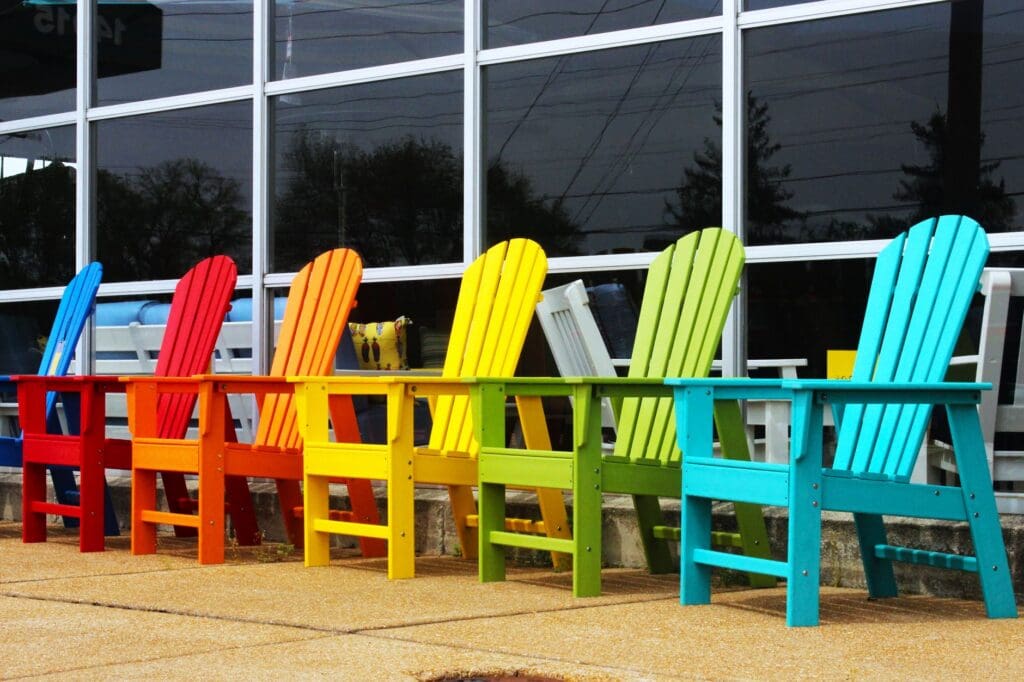
You’ve fallen for the classic look of Adirondack chairs, but now you’re stuck at the fork in the road: traditional wood or modern poly? It’s not just about aesthetics—this decision affects how much time you’ll spend on maintenance, how long your chairs will last, and whether you’ll be repainting in two years or still enjoying […]
There’s something wonderfully ironic about the Adirondack chair’s origin story. Back in 1903, Thomas Lee was vacationing in Westport, New York, frustrated by the lack of comfortable outdoor seating that could handle the sloped terrain of his property. So he built a wide-backed, slatted chair with a reclined seat—and accidentally created an icon. Today, you’ll […]
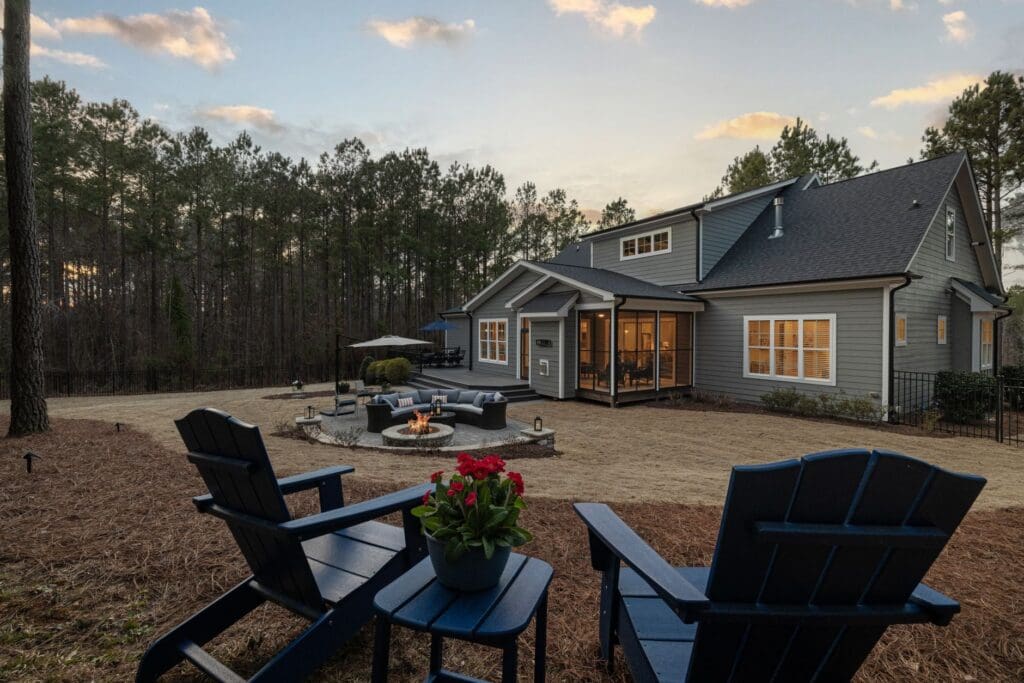
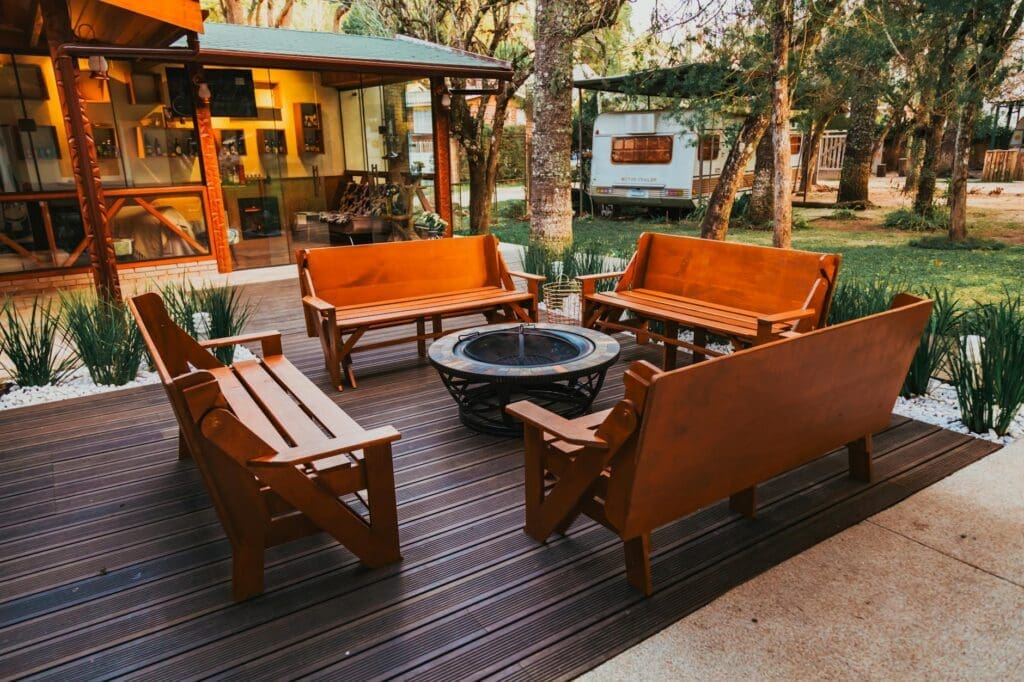
There’s something magical about gathering around a fire pit on a cool evening, but choosing between wood burning and propane can feel surprisingly complicated. Both have their devoted fans, and honestly, there’s no universal “better” option—it really depends on how you plan to use your outdoor space and what matters most to you. Let’s break […]