If your outdoor space feels stuck in a different decade, you’re not alone. Outdoor lighting has evolved from basic floodlights and solar stakes into a category that’s just as design-forward as indoor lighting. The trends for 2026 reflect what homeowners really want: spaces that feel intentional, energy-efficient solutions that actually look good, and fixtures that work hard without constant maintenance.
Whether you’re planning a full backyard refresh or just want to update a few key pieces, here’s what’s shaping outdoor lighting this year and how to make it work for your home.
Sculptural Fixtures Are Taking Center Stage
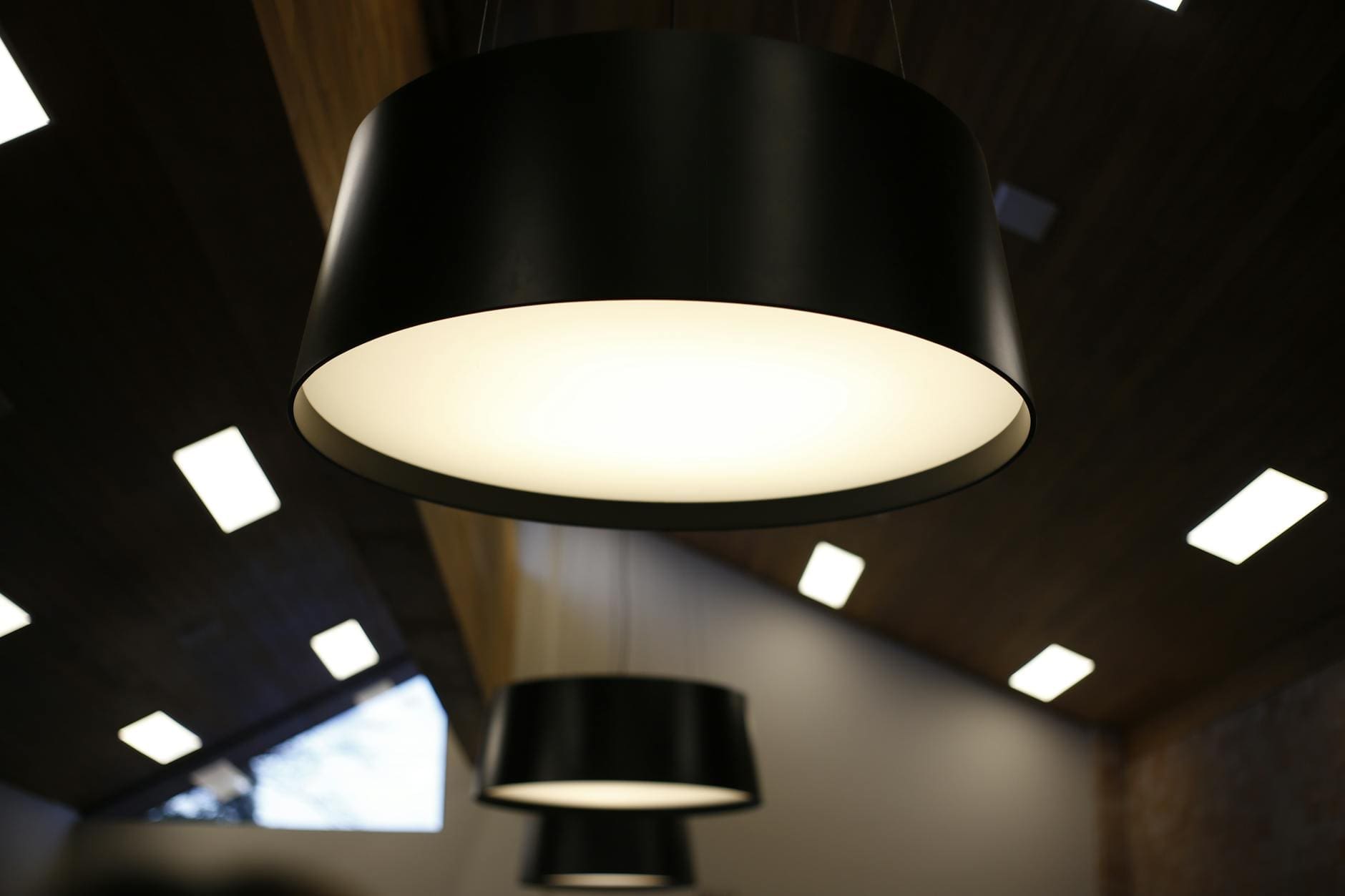
The biggest shift we’re seeing is outdoor lighting that doubles as art. Think bold geometric lanterns, oversized pendant lights with architectural lines, and wall sconces that make a statement even when they’re off. These aren’t your standard coach lights—they’re conversation pieces that define your outdoor aesthetic.
Look for fixtures with clean lines in matte black, aged brass, or textured bronze finishes. Cylindrical and globe shapes are particularly popular, as are fixtures with mixed materials like metal frames with seeded glass or concrete bases with LED accents. Budget-friendly options start around $80-150 for wall sconces, while statement pieces for covered patios can run $300-600.
When shopping, consider scale carefully. A common mistake is choosing fixtures that are too small for the space. For flanking a front door, your sconces should be roughly one-quarter to one-third the height of the door. For hanging pendants over an outdoor dining table, aim for fixtures that are 12-18 inches in diameter for every 5 feet of table length.
Warm, Layered Lighting Wins Over Single Sources
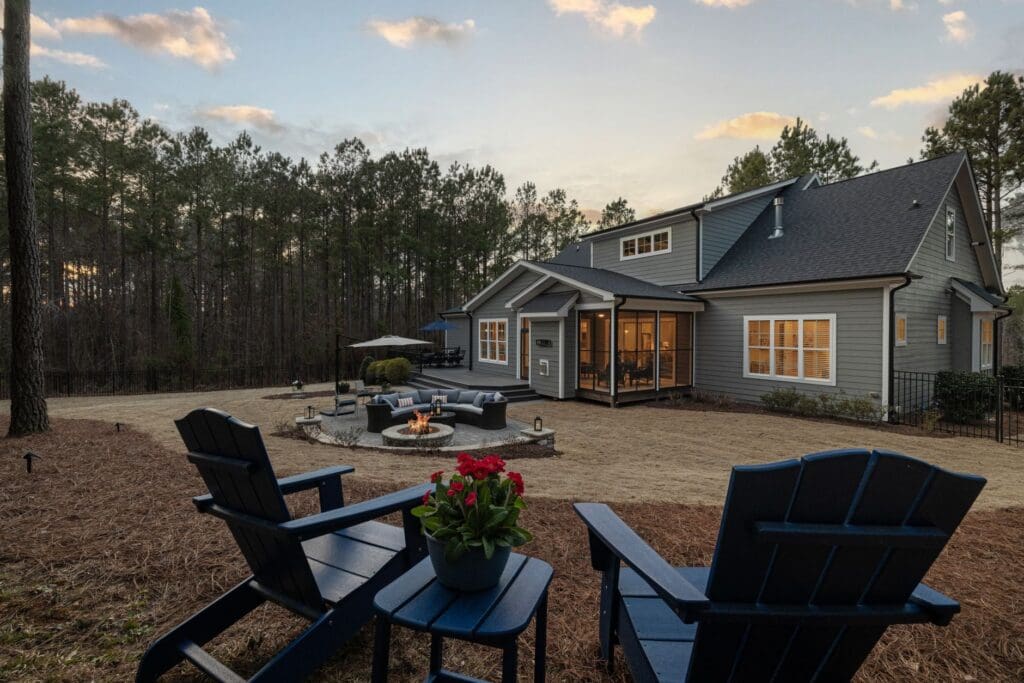
The days of relying on one harsh overhead light are done. The 2026 approach is all about layering: combining ambient, task, and accent lighting to create depth and mood. This means string lights overhead for ambiance, sconces or lanterns for functional light near seating areas, and low-voltage path lights or uplighting to highlight landscaping.
LED technology has made this easier and more affordable than ever. Modern outdoor string lights offer dimmable, warm-toned LEDs (2700K is the sweet spot) that last years without bulb changes. Expect to spend $40-100 for quality 25-foot strands. Solar-powered accent lights have also improved dramatically—mid-range options ($30-60 per fixture) now offer reliable brightness and automatic dusk-to-dawn operation.
The key is creating zones. Your dining area needs brighter task lighting (think 3000K), while lounge spaces benefit from softer, warmer light around 2200-2400K. Pathways need just enough light for safety—about 100-200 lumens per fixture is plenty.
Smart Features Without the Complexity
Smart outdoor lighting in 2026 isn’t about complicated apps and confusing menus. The focus is on practical features: timers that adjust automatically with sunset times, motion sensors that don’t trigger constantly, and voice control that actually responds consistently.
If you’re just dipping into smart lighting, start with plug-in string lights or pathway lights that work with your existing smart home system. Brands offering HomeKit, Alexa, or Google Home compatibility typically range from $60-150 for starter sets. For a more integrated approach, low-voltage transformer systems with smart controls ($200-400) let you manage multiple fixture types from one hub.
The benefit isn’t just convenience—it’s security and energy savings. Setting lights to mimic your patterns when you’re away and ensuring they’re never left on all night adds up over time.
Sustainable Choices That Actually Perform
Eco-friendly outdoor lighting has moved beyond disappointing solar stakes. Today’s sustainable options include fixtures made from recycled materials, long-lasting LED systems that reduce waste, and solar technology that’s finally powerful enough for primary lighting (not just accents).
Look for fixtures with replaceable LED modules rather than integrated LEDs—when the light eventually dims, you replace a component instead of the entire fixture. Bronze and copper fixtures develop natural patinas instead of requiring refinishing. And if you’re installing hardwired lighting, low-voltage systems (12V) use less energy and are safer and easier to install than traditional 120V wiring.
Quality matters here more than anywhere. A $200 well-made fixture that lasts 15 years beats replacing $40 fixtures every two years. Check warranty terms—reputable manufacturers offer 3-5 years on outdoor fixtures.
The outdoor lighting landscape has never offered more options that combine style, function, and efficiency. Focus on fixtures that complement your home’s architecture, layer your lighting for flexibility, and invest in quality pieces for high-visibility areas. Your outdoor space should feel like an extension of your home’s best rooms—and the right lighting makes that possible.
You’ve fallen for the classic look of Adirondack chairs, but now you’re stuck at the fork in the road: traditional wood or modern poly? It’s not just about aesthetics—this decision affects how much time you’ll spend on maintenance, how long your chairs will last, and whether you’ll be repainting in two years or still enjoying […]
There’s something wonderfully ironic about the Adirondack chair’s origin story. Back in 1903, Thomas Lee was vacationing in Westport, New York, frustrated by the lack of comfortable outdoor seating that could handle the sloped terrain of his property. So he built a wide-backed, slatted chair with a reclined seat—and accidentally created an icon. Today, you’ll […]
Nothing pulls together a patio quite like an outdoor rug—it defines your seating area, adds comfort underfoot, and makes the whole space feel more intentional. But get the size wrong, and it can look like a bath mat floating in the middle of your deck or a carpet that swallows your furniture whole. The good […]