Staring at your home office wondering whether to go with open shelving or closed cabinets? You’re not alone. This seemingly simple decision can make or break your office’s functionality and aesthetic. The right storage choice depends on what you’re storing, how you work, and honestly, how disciplined you are about keeping things tidy.
Understanding Your Storage Personality
Before you buy anything, take an honest look at your work habits. Open storage systems—like floating shelves, bookcase units, and cubby organizers—put everything on display. They’re perfect if you’re naturally organized and like having supplies within arm’s reach. You’ll find budget-friendly options starting around $50 for basic wall shelves, while substantial bookcase units range from $200 to $800 depending on size and material.
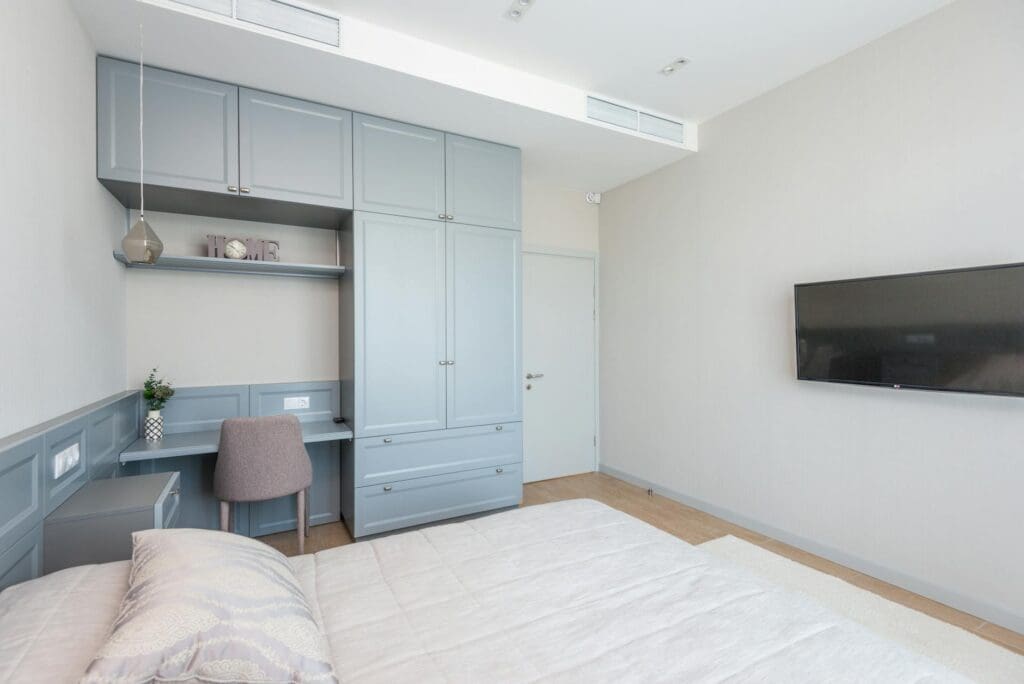
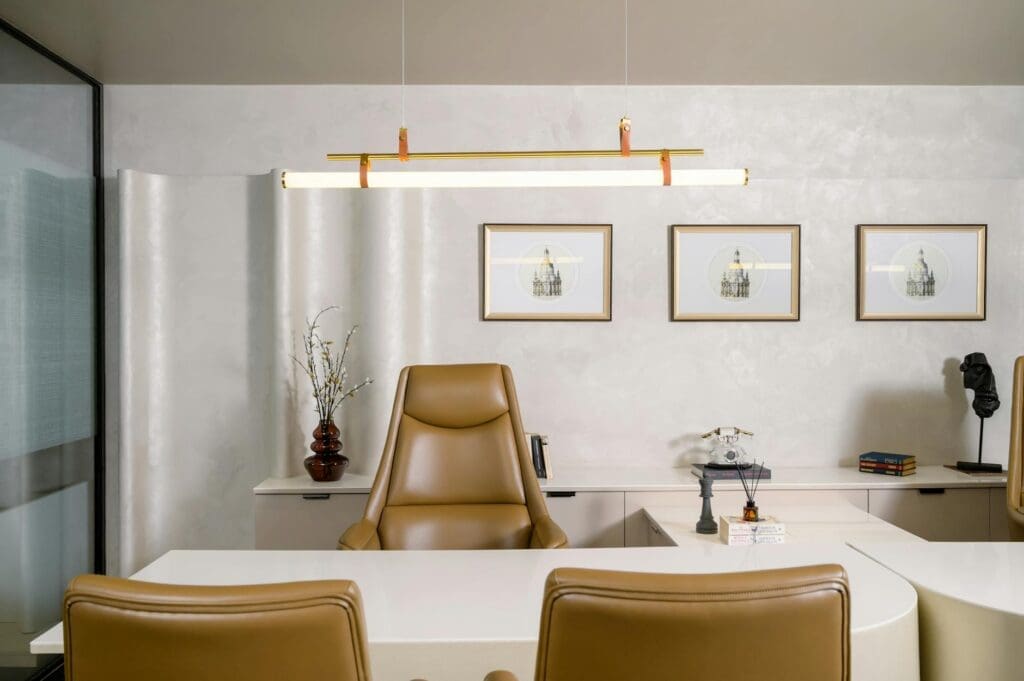
Closed storage—think filing cabinets, credenzas, and cabinets with doors—hides the mess and protects items from dust. If you’re working with confidential documents, have small children at home, or tend to accumulate clutter, closed storage gives you permission to be human. Expect to spend $150 to $400 for decent filing cabinets, while quality credenzas and storage cabinets typically run $300 to $1,200.
What You’re Actually Storing
The contents of your office should drive this decision more than aesthetics. Open storage excels for items you use daily and want to showcase: reference books, binders, decorative boxes, plants, and curated office supplies. It also works beautifully for creative professionals who want to display portfolios, art supplies, or inspiration boards.
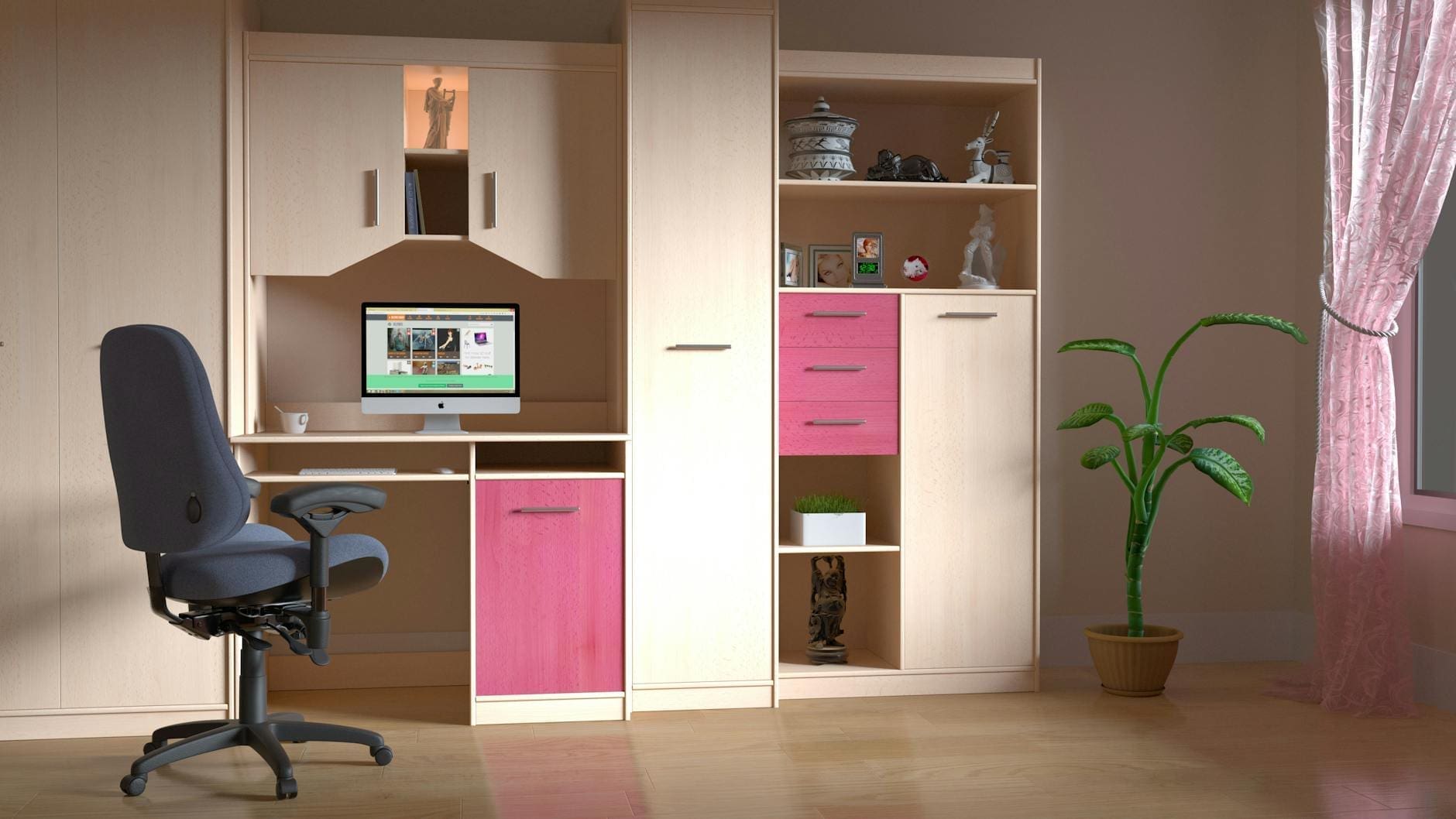
Closed storage is non-negotiable for certain items. Important documents need protection from light and dust. Electronics, cords, and tech accessories look chaotic on open shelves. Bulk supplies like extra paper reams, backup printer cartridges, and seasonal items don’t deserve display space. Many people find a hybrid approach works best—closed cabinets at the bottom for heavy files and messy essentials, open shelving up top for books and decorative items.
Space Planning and Visual Weight
Open storage makes small offices feel larger and more breathable. When you can see through shelving units to the wall behind them, the space doesn’t feel as cramped. This visual lightness comes at a cost though—you need to maintain that organized look, or your office will feel chaotic rather than airy.
Closed storage creates solid visual blocks that can anchor a room nicely but may feel heavy in tight quarters. A large credenza or cabinet demands floor space and wall space. That said, closed units often offer more actual storage capacity per square foot since you can pack them fuller without worrying about appearance. In rooms with limited wall space, a tall closed cabinet might give you more storage than multiple open shelving units.
Maintenance and Long-Term Reality
Here’s what nobody tells you about open shelving: it requires ongoing curation. Books need to be straightened, decorative objects collect dust weekly, and you’ll constantly be aware of how things look. If that sounds exhausting, it probably is—for you. There’s no shame in choosing closed storage because you’d rather spend your energy on actual work.
Closed storage needs less frequent attention but comes with its own trap: out of sight, out of mind. Those cabinets can become black holes where supplies disappear and clutter multiplies invisibly. You’ll need discipline to keep them organized, just a different kind. Consider units with interior organizers, drawer dividers, or adjustable shelving to maintain order behind closed doors.
Most successful home offices use both storage types strategically. A credenza with closed cabinets provides a foundation for hiding necessary-but-ugly items, while a few open shelves above your desk keep current projects and favorite books accessible and visible. This combination gives you flexibility—the ability to display what deserves it and hide what doesn’t, all while creating a balanced, functional workspace that actually supports how you work.
Your home office deserves better than a jumble of mismatched shelves and that filing cabinet you’ve been meaning to replace. A storage wall unit can transform your workspace from chaotic to composed, giving you dedicated spots for books, supplies, tech equipment, and all those things that currently live in piles. The trick is finding one […]
Your back is telling you it’s time. After months of working from home in a dining chair or that hand-me-down seat from college, you’re ready to invest in a proper office chair. The good news? You don’t need to spend $800 on a Herman Miller to get real ergonomic support. The under-$300 market is packed […]
If you’re spending hours at your desk every day, your office chair matters more than you might think. The two most popular materials—mesh and leather—each have devoted fans, but they deliver very different sitting experiences. Let’s break down what actually matters so you can choose the one that fits your workday, your space, and your […]