Your entryway sets the tone for your entire home, but it’s also where chaos tends to pile up—shoes, bags, keys, mail, and everything else you grab on the way out the door. The storage you choose makes all the difference between a welcoming first impression and a daily source of stress. The big question: should you go with open storage that keeps everything visible and accessible, or closed storage that hides the clutter behind doors and drawers?
The answer depends on your lifestyle, how much you’re willing to maintain, and what your entryway actually needs to handle. Let’s break down what works best for different situations.
Consider Your Daily Habits and Household Size
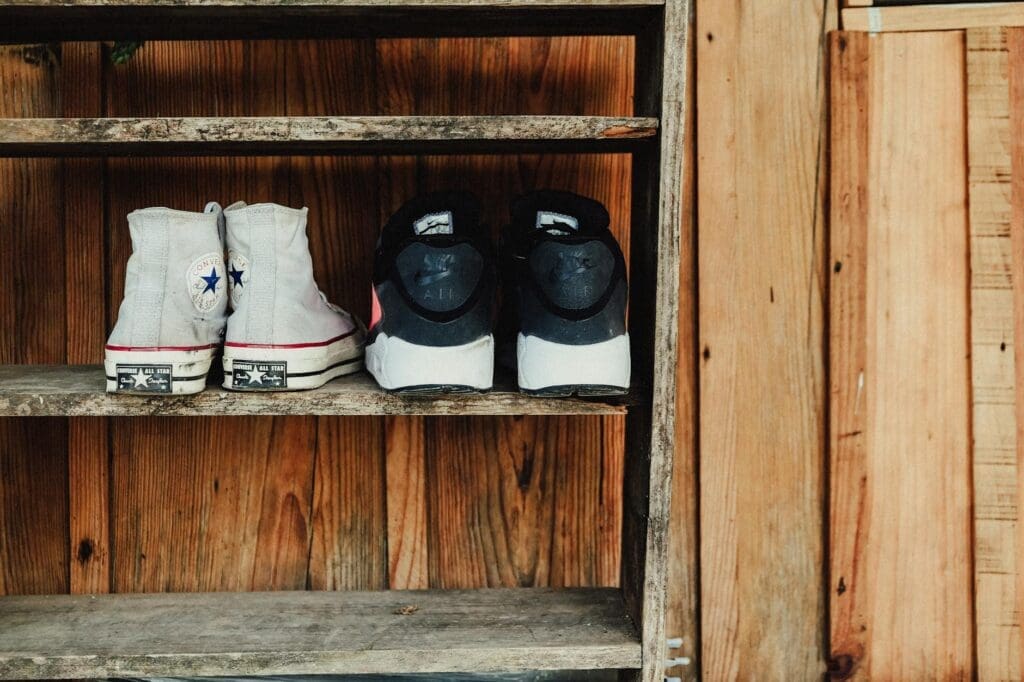
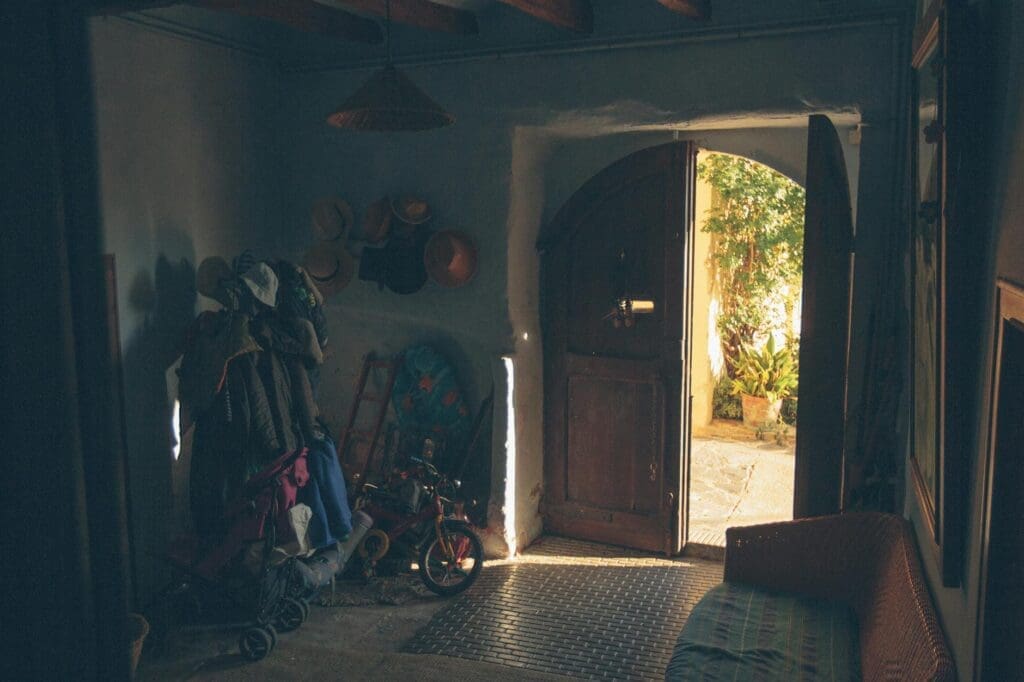
Open storage works beautifully if you’re naturally tidy or live alone or with just one other person. Hooks for coats, open cubbies for shoes, and floating shelves for keys create an efficient grab-and-go system. You can see everything at a glance, which means you’re less likely to lose track of your wallet or forget your sunglasses.
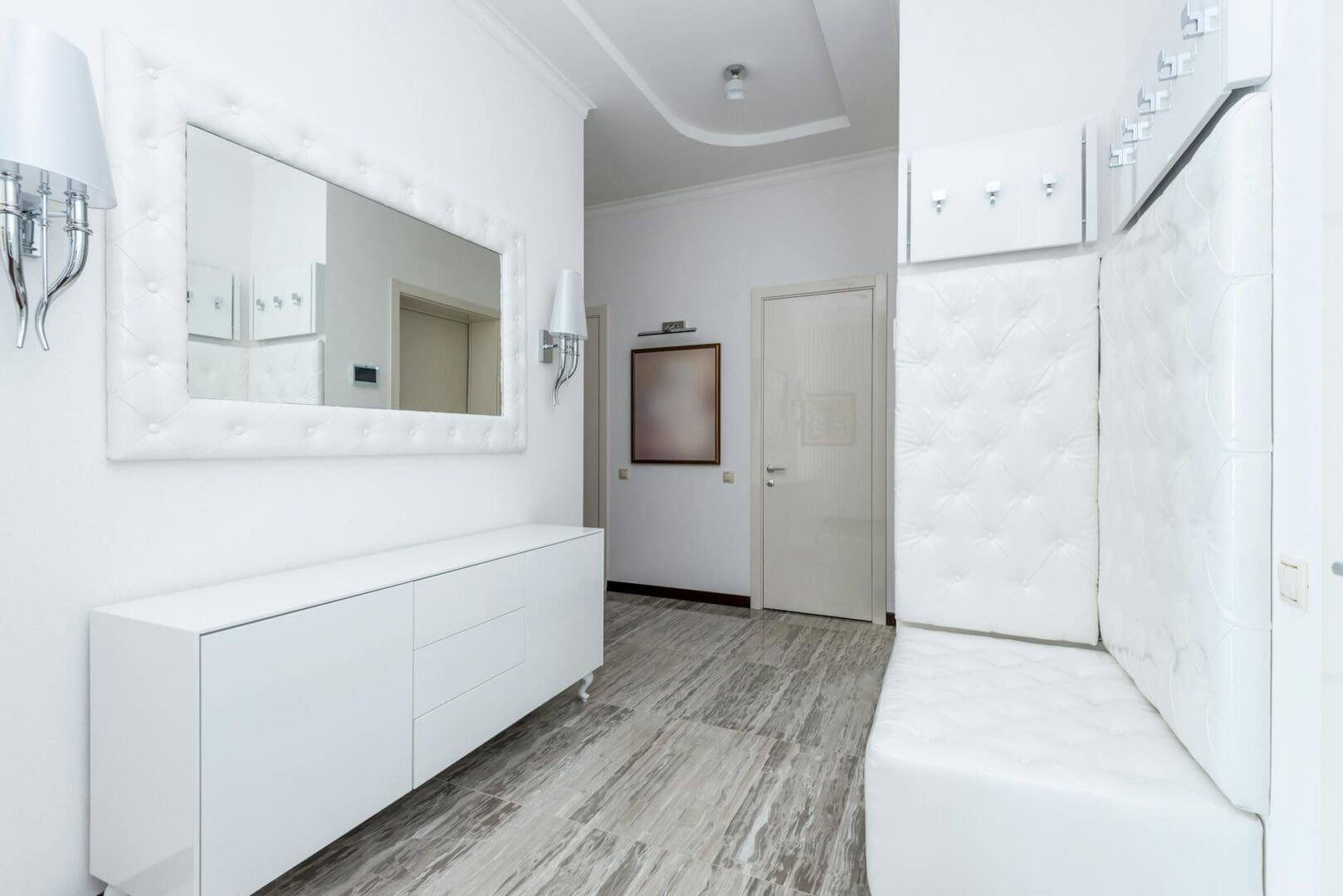
Closed storage becomes essential for larger households or if you’re honest about your tendency to let things pile up. A console table with drawers, a hall tree with cabinet storage, or a bench with lift-top compartments keeps the visual noise contained. Families with kids especially benefit from closed storage—those bins of sports equipment, backpacks, and random treasures stay out of sight.
A hybrid approach often works best: closed cabinets below for bulk storage (winter gear, spare umbrellas, pet supplies) with open hooks or shelves above for daily essentials. This gives you the convenience of open storage without sacrificing a clean look.
Match Storage Style to Your Space and Aesthetic
Small entryways (under 30 square feet) typically benefit from open storage solutions. A wall-mounted coat rack with a slim console table underneath takes up minimal floor space while maximizing vertical storage. Closed cabinets can feel heavy and cramped in tight quarters, though a narrow shoe cabinet with a sleek profile can work if you need to hide clutter.
Larger entryways have more flexibility. A substantial hall tree with both open and closed components (running $300-$800 for quality pieces) can anchor the space. If your entryway flows into your living area, closed storage helps maintain visual continuity—you don’t want the first thing guests see to be a jumble of shoes and coats.
Your home’s style matters too. Farmhouse and cottage aesthetics embrace open storage with hooks, baskets, and open cubbies that feel casual and inviting. Modern and contemporary homes lean toward clean-lined closed cabinets, often in white or wood finishes. Traditional spaces might feature a handsome armoire or enclosed hall bench with upholstered seating.
Think About Maintenance and Display Opportunities
Open storage requires consistent upkeep. Everything on display needs to look intentional—that means coordinating shoe styles, attractive baskets for corralling smaller items, and regular straightening. If you enjoy styling and don’t mind spending five minutes most evenings putting things in their place, open storage can actually be quite beautiful.
Closed storage is more forgiving on the maintenance front. You can toss items into drawers and cabinets and deal with organization later. However, closed storage tends to become a black hole if you don’t stay on top of it. Those drawers can quickly overflow with junk if you’re not careful.
Consider what you actually want to display. Beautiful handbags, a collection of vintage hats, or artfully arranged boots can enhance your decor. Budget-friendly open storage like wall-mounted peg rails ($30-$100) or cube organizers ($80-$200) work well here. But if your daily items are purely functional—think kids’ backpacks and gym bags—closed storage at mid-range prices ($200-$600 for a quality piece) makes more sense.
Assess Your Actual Storage Needs
Take inventory of what you need to store. Four winter coats, six pairs of daily shoes, dog leashes, reusable shopping bags, and a bin of scarves require different solutions than just keys and sunglasses.
Open storage handles about 60-70% of the volume that closed storage can manage in the same footprint. If you’re tight on space but have lots to store, closed storage with good internal organization wins. Look for pieces with adjustable shelves, pull-out drawers, and designated compartments.
Seasonal rotation is easier with closed storage. You can keep off-season items in the back of cabinets without them cluttering your view. Open storage works best when what you’re storing stays relatively constant year-round.
The right entryway storage should make your life easier, not add another thing to stress about. If you thrive on visual order and have the discipline to maintain it, open storage offers unbeatable convenience. If you want the freedom to shut the door on chaos, closed storage provides peace of mind. And if you’re somewhere in between—like most of us—a combination of both gives you the flexibility to adapt as your needs change.
A cramped entryway with shoes scattered everywhere isn’t just frustrating—it’s usually the first thing you and your guests see when walking through the door. The good news? Even the smallest entryway can stay organized with the right shoe rack. The challenge is finding one that actually fits your space without making it feel even more […]
That pile of shoes by the door isn’t going to organize itself, and your coats deserve better than being draped over the nearest chair. A coat rack with built-in shoe storage solves both problems in one piece of furniture, making it perfect for entryways, mudrooms, or even bedroom corners where clutter tends to accumulate. The […]
A cramped entryway doesn’t mean you’re doomed to trip over piles of coats or hunt for misplaced keys every morning. The right coat rack can transform even the tiniest entry into an organized, welcoming space. The challenge is finding one that holds what you need without making your small entryway feel even smaller. Consider Your […]