Your nightstand is probably the hardest-working piece of furniture in your bedroom. It holds your phone, your water glass, that book you’ve been meaning to finish, and maybe a lamp that actually gets used every single day. Despite all this, choosing the right one can feel surprisingly tricky—you need something that fits your space, matches your style, and actually works for how you live. Let’s walk through what makes a great nightstand and how to find one that checks all your boxes.
Getting the Size and Height Right
The most common nightstand mistake? Choosing one that’s the wrong height for your bed. Your nightstand should sit at or slightly below the top of your mattress—usually between 24 and 28 inches tall. This makes it comfortable to reach over and grab what you need without awkward stretching.
Width matters too, especially in smaller bedrooms. Standard nightstands run 20-24 inches wide, but if you’re working with limited space, look for narrower options around 15-18 inches. Just make sure there’s enough surface area for your essentials. And don’t forget to measure the space between your bed and the wall—you’ll want at least 3-4 inches of clearance so drawers can open fully.
Storage Options That Match Your Lifestyle
Think about what you actually keep bedside. If it’s just a book and your phone, a simple open-shelf nightstand works beautifully and keeps the room feeling airy. These typically run $80-200 for solid options.
Need to hide clutter? Look for nightstands with drawers. Single-drawer designs ($150-400) give you one concealed space for items you don’t want on display, while two- or three-drawer nightstands ($250-600) work well if you’re short on bedroom storage overall. Some people use them for extra clothing, medications, or personal items.
Another smart option: nightstands with a drawer plus an open shelf. This combination gives you the best of both worlds—quick access to frequently used items and hidden storage for everything else.
Styles and Materials That Define Your Space
Your nightstand should feel like a natural extension of your bedroom’s personality. Here’s what works for different aesthetics:
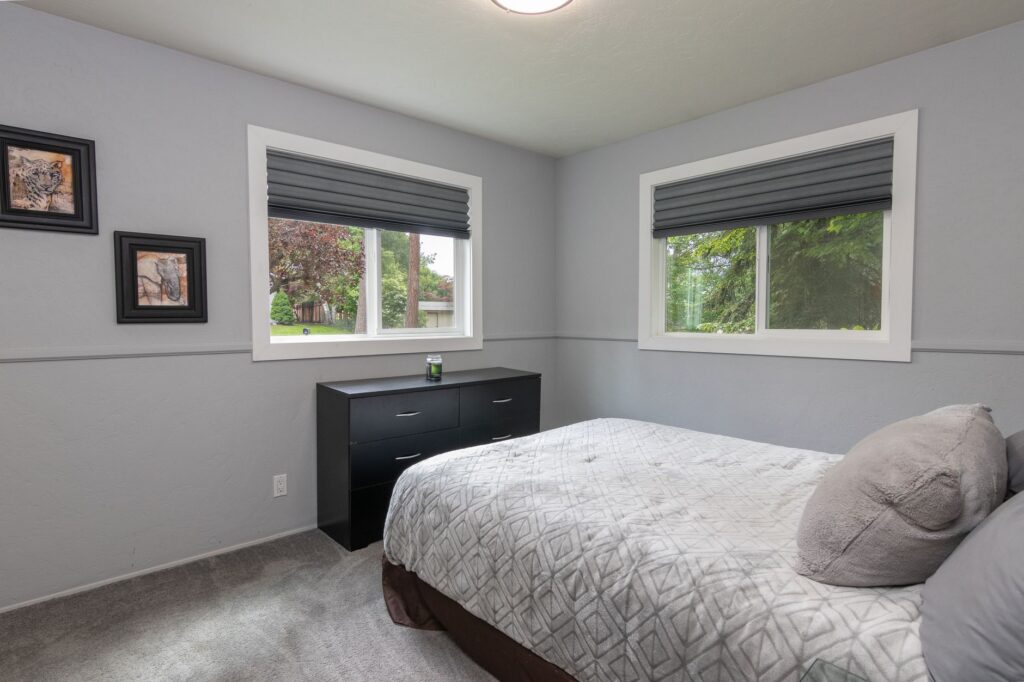
Modern and minimalist: Look for clean-lined nightstands in white lacquer, painted wood, or metal. Floating wall-mounted options are especially popular and create a streamlined look. Budget around $150-500.
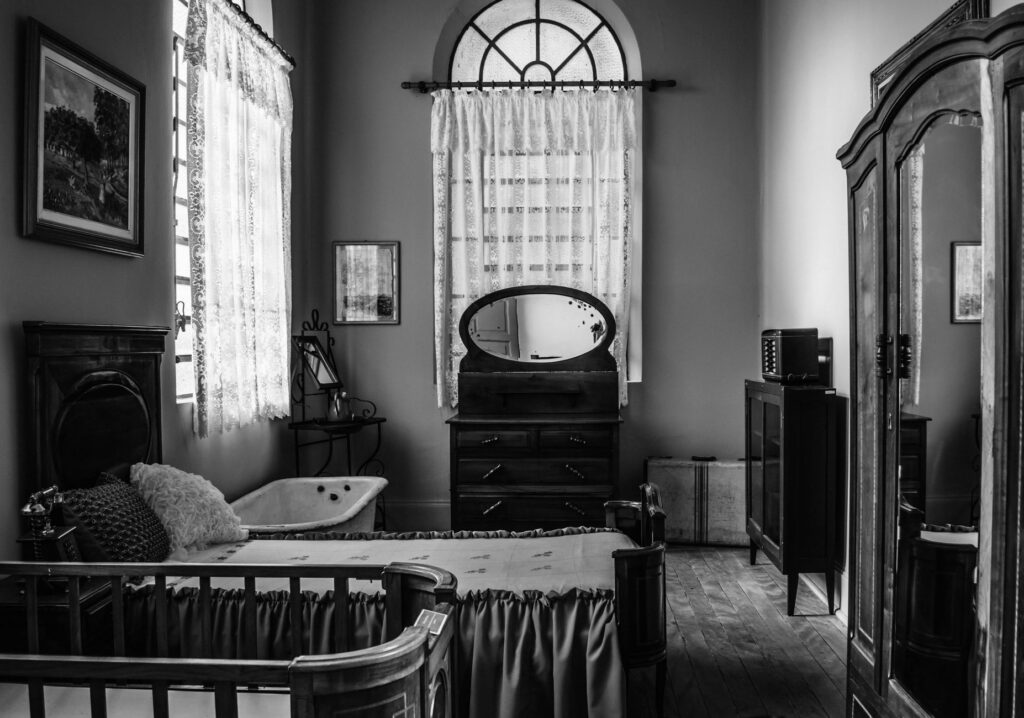
Traditional and classic: Wood nightstands in cherry, mahogany, or walnut with decorative hardware and detailed craftsmanship fit right in. Expect to spend $300-800 for quality pieces.
Farmhouse and rustic: Reclaimed wood, distressed finishes, and simple designs with visible grain work beautifully. These typically range from $200-600.
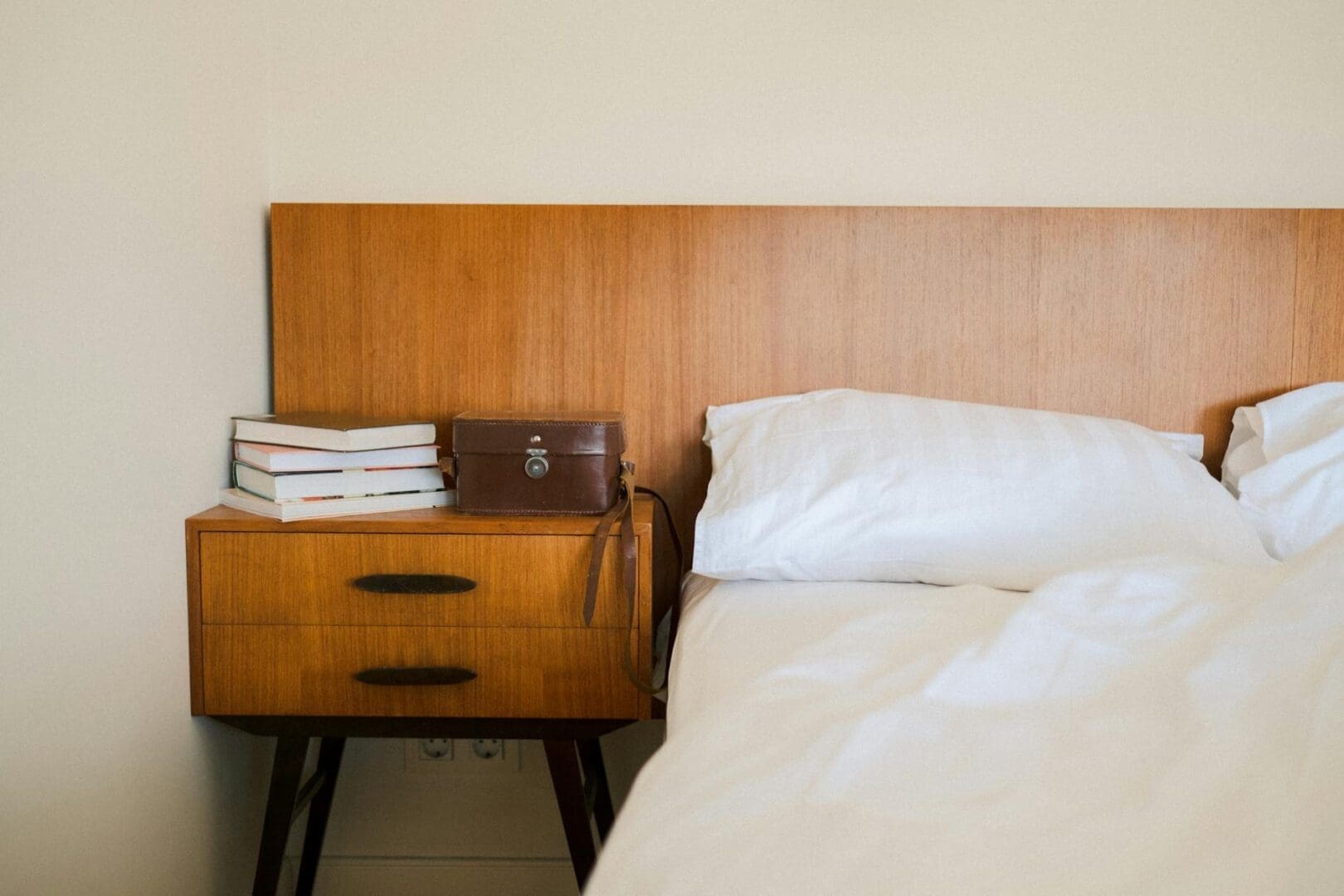
Mid-century modern: Think tapered legs, warm wood tones like walnut or teak, and simple geometric shapes. Quality reproductions start around $250, while vintage pieces can run $400-1,000+.
Industrial: Metal frames combined with wood tops or shelves create that loft-like feel. Most range from $180-450.
Special Features Worth Considering
Today’s nightstands often come with thoughtful extras that make daily life easier. Built-in USB ports and power outlets (adding about $30-80 to the price) mean you can charge devices without hunting for wall outlets or dealing with cords stretched across the room.
If you read in bed, consider nightstands with built-in lighting or those designed to hold lamps securely. Some designs include cord management systems that keep charging cables tidy and accessible.
For small spaces, nesting tables or nightstands with pull-out trays add surface area when you need it. And if you’re renting or like to rearrange frequently, nightstands on casters offer flexibility.
Finding the right nightstand really comes down to measuring your space carefully, thinking honestly about what you need to store, and choosing a style that makes you happy every time you walk into your bedroom. Whether you’re spending $100 or $1,000, prioritize something sturdy with quality construction—you’ll be opening those drawers and setting down that water glass every single night. Take your time browsing options that fit your specific bedroom style, and you’ll end up with a piece that’s both beautiful and genuinely useful for years to come.
Shopping for a dresser for your child’s room feels different than buying one for yourself. You’re not just thinking about today—you’re wondering if it’ll survive the toddler years, hold up through elementary school, and maybe even make it to the teenage bedroom. The good news? With the right approach, you can find a dresser that […]
You’ve found the perfect bed frame, but now your old dresser looks completely out of place. Or maybe you’re starting fresh and wondering whether you need to buy a matching bedroom set. The truth is, coordinating your dresser and bed frame isn’t about finding exact matches—it’s about creating visual harmony through smart choices about style, […]
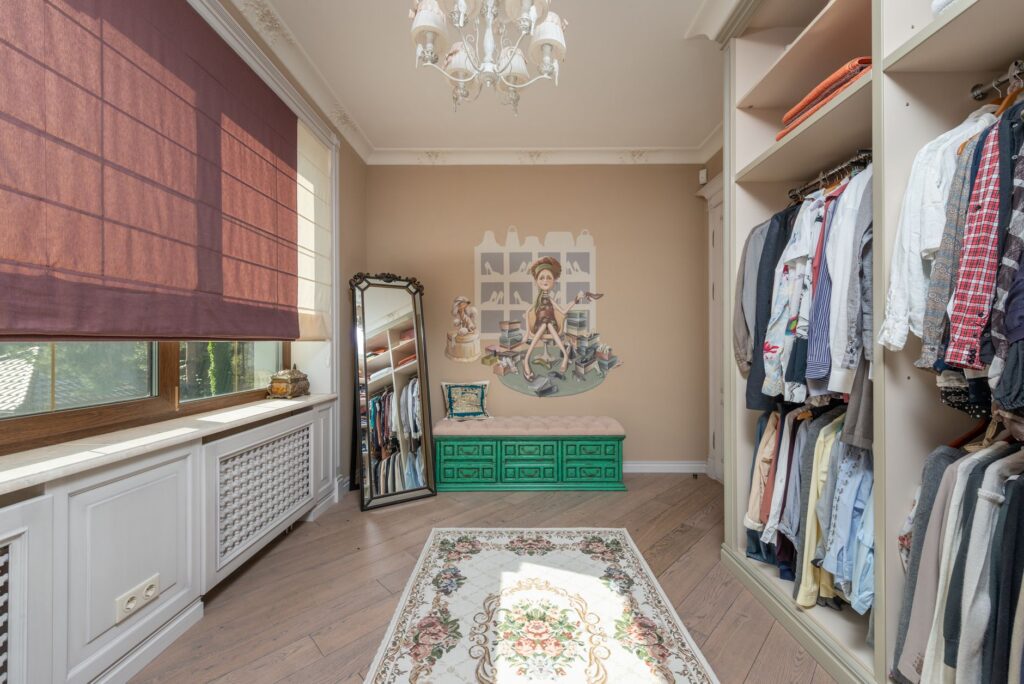
Adding a dresser to your walk-in closet can transform it from a simple hanging space into a fully functional dressing room. But unlike choosing a dresser for your bedroom, closet dressers have different requirements—they need to fit within existing dimensions, complement built-in systems, and maximize storage without creating obstacles. Whether you’re designing a new closet […]