Your backyard is no longer just a patch of grass with a couple of chairs—it’s becoming a true extension of your living space. As we move into 2026, homeowners are investing in outdoor areas that work as hard as their indoor rooms, creating spaces for everything from morning coffee to entertaining friends. If you’re planning a backyard refresh this year, here’s what’s driving the newest design approaches and what to consider for your own space.
Multi-Zone Outdoor Living Spaces
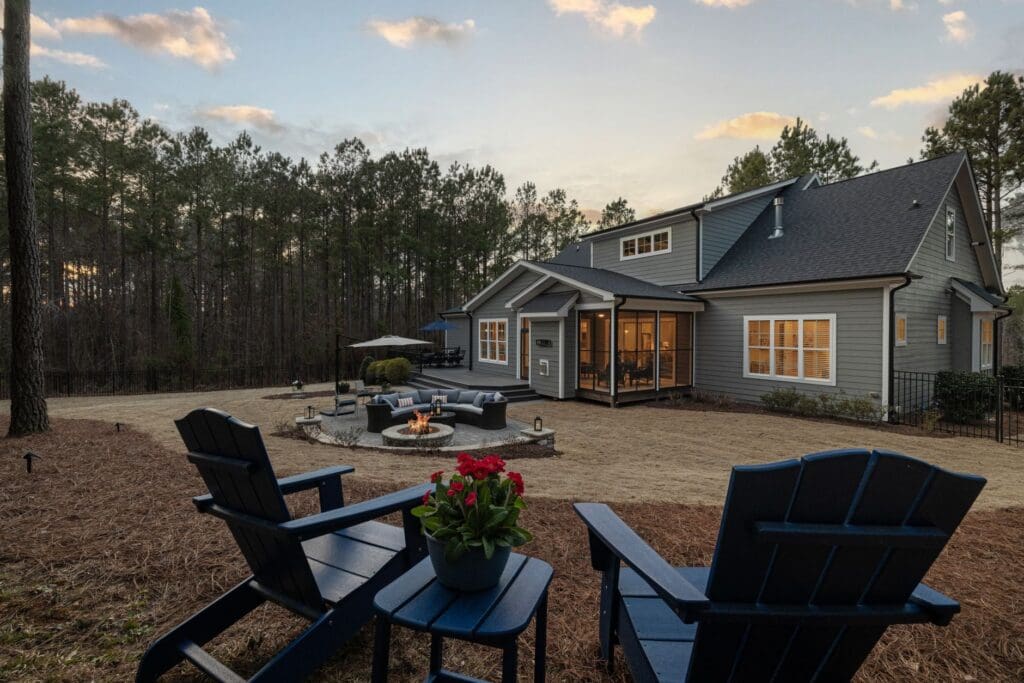
The biggest shift we’re seeing is the move away from single-purpose patios toward thoughtfully zoned outdoor areas. Think of it like an open-concept living room, but outside—distinct areas for dining, lounging, and activities that flow naturally together.
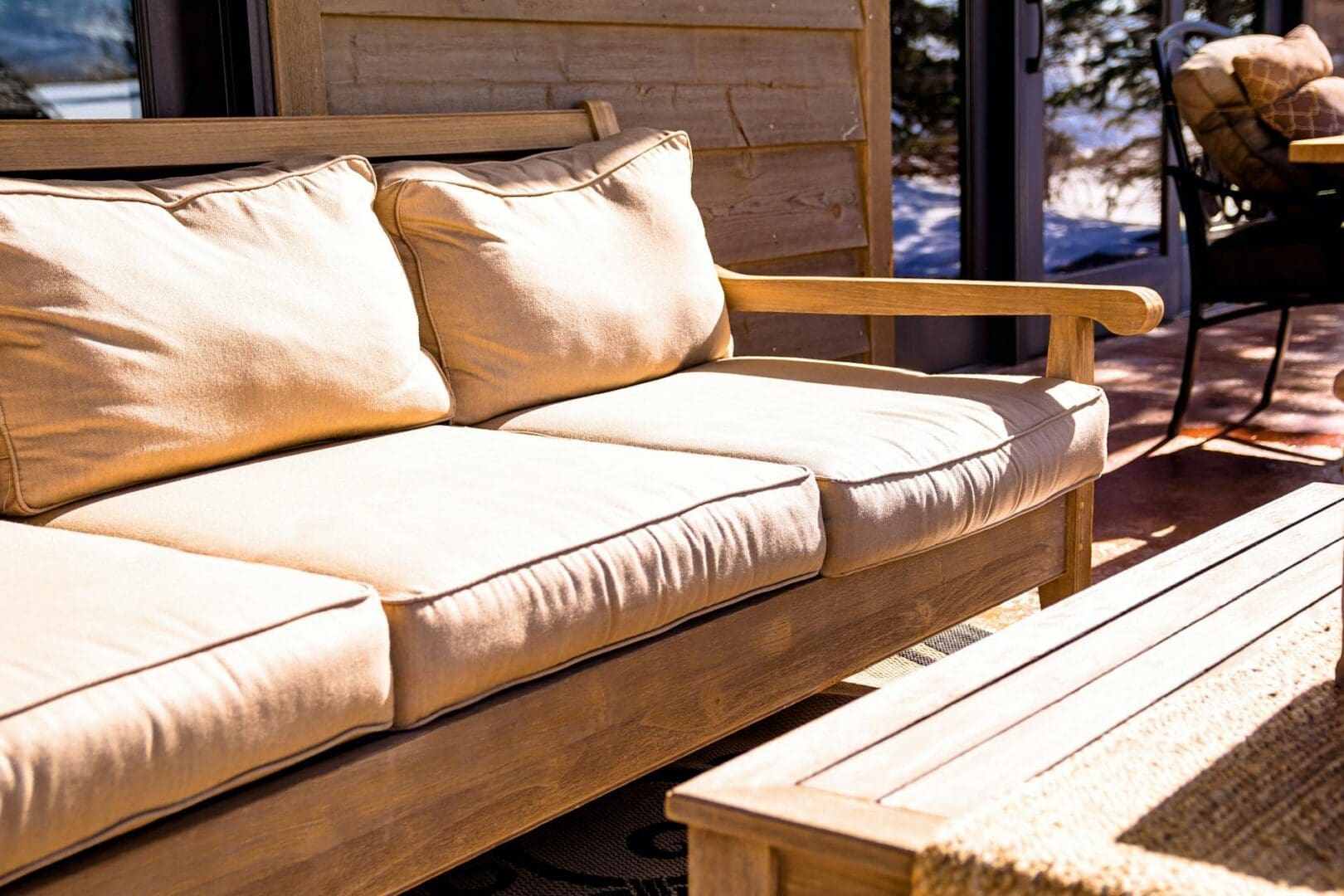
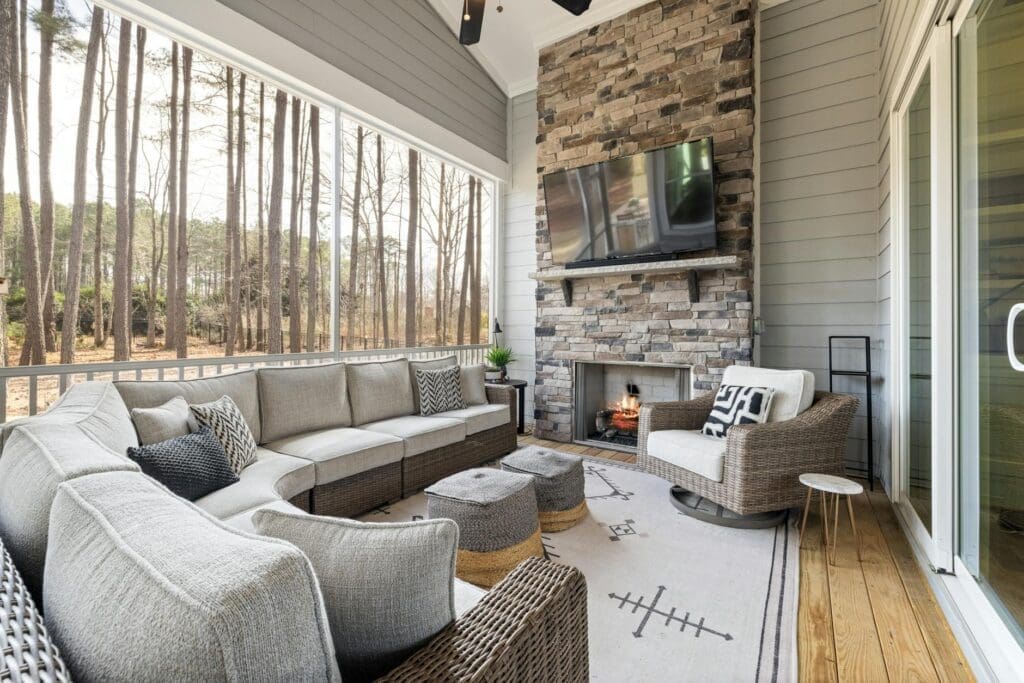
Start by identifying how you actually want to use your backyard. A dedicated dining zone might include a weatherproof table that seats six to eight (expect to spend $400-$800 for quality pieces, or $1,500+ for teak or powder-coated aluminum sets). Separate this from a conversation area with modular sectional seating, which gives you flexibility to rearrange for different gatherings. Budget options start around $800 for synthetic wicker sets, while high-performance fabrics on aluminum frames run $2,000-$4,000.
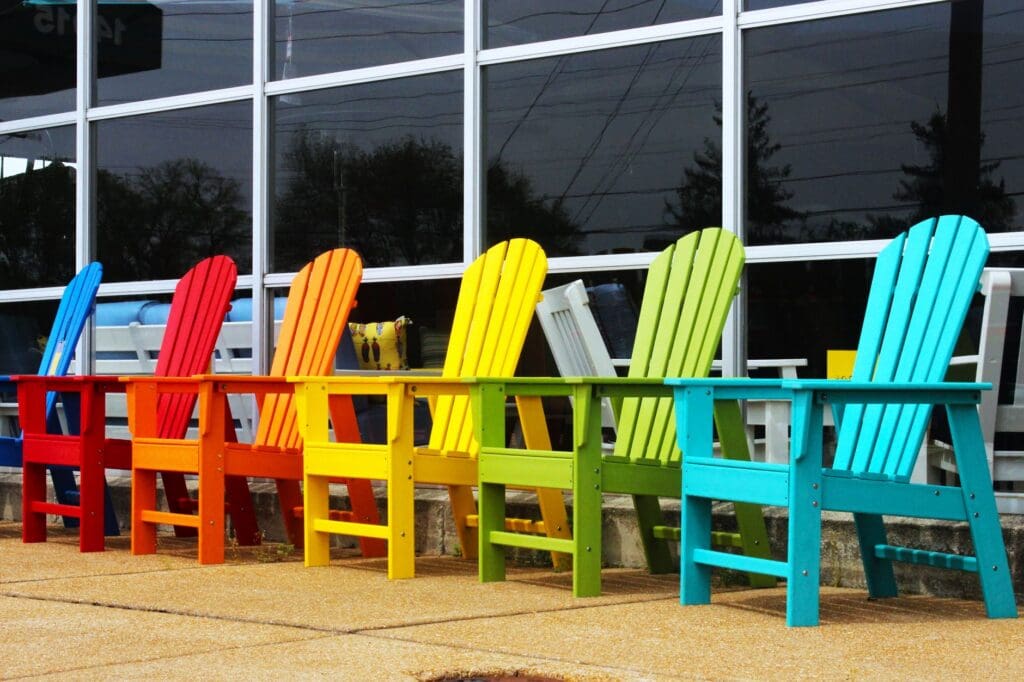
Consider adding a third zone for a specific purpose: a fire pit area with Adirondack chairs, a pergola-covered daybed for afternoon reading, or even an outdoor kitchen station. These defined spaces make larger yards feel intentional rather than empty, and help smaller yards feel more functional.
Sustainable and Low-Maintenance Materials
The 2026 backyard prioritizes materials that look great without demanding every weekend of your summer. Composite decking continues to gain ground over traditional wood—it resists fading, doesn’t splinter, and never needs staining. Yes, the upfront cost runs higher ($8-12 per square foot installed versus $4-8 for pressure-treated wood), but the time savings alone makes it worth considering.
For furniture, look for recycled plastic lumber, reclaimed teak, or aluminum frames with solution-dyed acrylic fabrics. These materials handle sun exposure and sudden rainstorms without the constant maintenance cycle of traditional outdoor furniture. Cushions made from recycled plastics now rival traditional fabrics in comfort while standing up to the elements—just check that they’re specifically rated for outdoor UV resistance.
Permeable pavers are replacing solid concrete patios in many designs. They allow rainwater to filter through rather than creating runoff, and they’re easier to repair if settling occurs. Pair these with native plants that thrive in your climate without supplemental watering, and you’ve created a backyard that practically maintains itself.
Warm Minimalism Replaces Stark Modern
The ultra-minimal, all-white outdoor aesthetic is softening. The emerging look blends clean lines with warmer materials and textures—think natural wood tones, warm grays, terracotta accents, and plenty of greenery.
This shows up in furniture choices with mixed materials: a dining table with a concrete top and wooden legs, lounge chairs combining black aluminum frames with natural teak armrests, or planters in matte earth tones rather than glossy white. Outdoor rugs in warm neutrals or subtle geometric patterns help define zones while adding visual warmth underfoot (look for polypropylene rugs specifically designed for outdoor use, starting around $150 for an 8×10).
Lighting plays a huge role here too. String lights remain popular, but we’re seeing more sophisticated pendant lights over dining areas and integrated LED strips under bench seating or along pathways. The goal is layered lighting that creates ambiance without the harsh brightness of traditional floodlights.
All-Season Functionality
The smartest backyard investments now are pieces that extend your outdoor season beyond summer. Outdoor heaters—whether propane, natural gas, or electric—let you use your space into fall and even mild winter evenings. Expect to spend $200-$400 for a quality patio heater, or $2,000+ for built-in heating elements.
Covered structures are becoming standard rather than luxury additions. A simple pergola with retractable shade ($1,200-$3,000) offers sun protection and light rain coverage, while fully covered pavilions or screened porches create genuine three-season rooms. Even budget-conscious homeowners are adding large cantilever umbrellas ($300-$800) that provide serious coverage and can be angled throughout the day.
Your backyard transformation doesn’t need to happen all at once. Start with the zone you’ll use most—usually dining or primary seating—and invest in quality pieces that match the direction you want to go. As you add pieces over time, that initial investment will guide your choices and help create a cohesive space that genuinely expands how you live at home.
You’ve fallen for the classic look of Adirondack chairs, but now you’re stuck at the fork in the road: traditional wood or modern poly? It’s not just about aesthetics—this decision affects how much time you’ll spend on maintenance, how long your chairs will last, and whether you’ll be repainting in two years or still enjoying […]
There’s something wonderfully ironic about the Adirondack chair’s origin story. Back in 1903, Thomas Lee was vacationing in Westport, New York, frustrated by the lack of comfortable outdoor seating that could handle the sloped terrain of his property. So he built a wide-backed, slatted chair with a reclined seat—and accidentally created an icon. Today, you’ll […]
You flip over your outdoor rug to move it for cleaning and there it is—that telltale musty smell and those dark spots spreading across the backing. Mildew happens, especially in humid climates or shaded areas where rugs don’t fully dry between rain showers. The good news? Most outdoor rugs can be rescued with the right […]