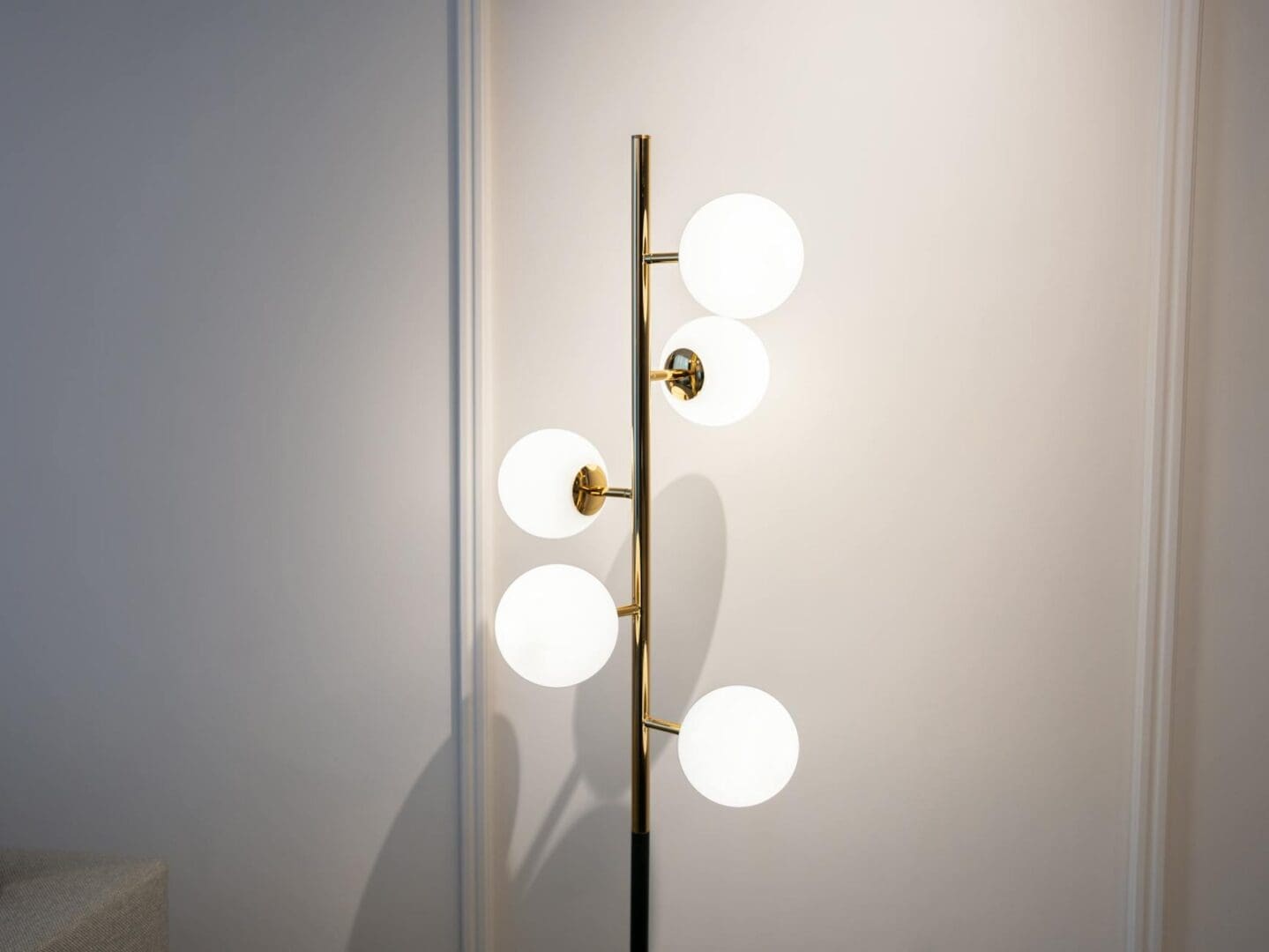
If you’ve stood in the lighting aisle lately, staring at rows of bulbs with different wattages, color temperatures, and price tags, you’re not alone. The choice between LED and incandescent bulbs for your living room isn’t just about brightness—it affects your energy bill, the mood you create, and how often you’ll need to drag out the ladder for replacements.
Let’s break down what actually matters so you can light your living room the right way.
Energy Costs and Long-Term Savings
Here’s where LEDs shine brightest: a 60-watt equivalent LED bulb uses about 8-10 watts of electricity, while a traditional incandescent uses the full 60 watts. Over the course of a year, if you have five lamps in your living room running four hours daily, LEDs will save you roughly $40-60 annually compared to incandescents.
The upfront cost tells a different story. Incandescent bulbs run $1-2 each, while quality LEDs cost $4-8 per bulb. But factor in lifespan—LEDs last 15,000-25,000 hours compared to incandescent’s 750-1,000 hours—and you’re replacing incandescents 15-20 times before your LED burns out. That’s a lot of trips to the hardware store.
If you’re furnishing a living room on a tight budget, the initial LED investment might sting. But for most homeowners planning to stay put for more than a year, LEDs pay for themselves relatively quickly.
Light Quality and Ambiance
This is where many people hesitate. Incandescent bulbs produce that warm, familiar glow we grew up with—around 2700K on the color temperature scale. Early LEDs had a harsh, bluish quality that made living rooms feel like hospital waiting areas. Thankfully, that’s changed.
Modern LEDs are available in warm white (2700-3000K), soft white (3000-3500K), and various other temperatures. For living rooms, stick with the 2700-3000K range to replicate that cozy incandescent feel. The key is checking the packaging—look for “warm white” or a color temperature around 2700K.
One genuine advantage of incandescents: they dim beautifully. If you have dimmer switches in your living room, not all LEDs play nice with them. You’ll need specifically labeled “dimmable” LEDs, which cost slightly more ($6-10 versus $4-8). When they work properly, dimmable LEDs offer smooth transitions, but cheaper versions can flicker or refuse to dim below 20%.
Heat Output and Safety Considerations
Incandescent bulbs waste about 90% of their energy as heat—which is why they’re too hot to touch after being on for a while. In table lamps with fabric shades or enclosed fixtures, this matters. LEDs stay cool to the touch, making them safer for fixtures with limited ventilation and reducing the risk of shade discoloration or material degradation over time.
This also means less heat pumping into your living room during summer months. It’s not a dramatic difference, but if you live in a warm climate and run multiple lamps regularly, those hot incandescent bulbs add a small but measurable load to your air conditioning.
Which Should You Choose?
For most living rooms, LEDs make the most sense. They’re the practical choice if you:
Use your living room lighting daily for extended periods
Have high or hard-to-reach fixtures where bulb changes are a hassle
Want to reduce your energy bills without thinking about it
Use enclosed fixtures or lamps with delicate shades
Incandescents still have a place if you’re dealing with older dimmer switches that don’t cooperate with LEDs, or if you’re in a short-term rental and won’t benefit from the long-term savings. Some people also prefer them for decorative Edison-style bulbs where the visible filament is part of the aesthetic—though LED Edison bulbs have gotten quite convincing.
The bottom line: invest in quality warm-white LEDs rated for your fixtures, especially dimmable versions if you have dimmer switches. Your living room will look just as inviting as it would with incandescents, your wallet will thank you, and you’ll spend a lot less time changing bulbs. That’s a win worth switching for.
You need more storage in your living room, but a bulky bookcase feels too heavy and floating shelves aren’t cutting it. A credenza might be exactly what you’re looking for—it’s that low-profile cabinet that gives you tons of hidden storage while creating a beautiful surface for lamps, plants, and the things you actually want to […]
If you’ve been hitting snooze repeatedly or dragging yourself out of bed feeling groggy, you’re not alone. Waking up to a jarring alarm in a dark room works against your body’s natural rhythms, especially during winter months. A sunrise alarm clock mimics natural dawn, gradually filling your room with light to ease you awake. But […]
Waking up at 3 a.m. with a sweaty neck and flipping your pillow to the cool side for the fourth time isn’t just annoying—it’s robbing you of quality sleep. If you’re a hot sleeper, your pillow might be trapping heat against your head and neck all night long. The good news? The right cooling pillow […]