LED strip lights have a reputation problem. Done wrong, they scream “college dorm” or “gaming setup.” Done right, they can add sophisticated ambient lighting that makes your bedroom feel like a luxury hotel. The difference comes down to placement, color choice, and knowing when less is more.
If you’re wondering where to put LED strips without making your bedroom look like a nightclub, you’re asking the right questions. Let’s walk through the spots that actually work and the details that separate elegant from excessive.
Where to Place LED Strips for the Best Effect
The golden rule: hide the LED strip itself and show only the glow. Direct visibility of individual LED bulbs rarely looks polished.
Behind your headboard creates a floating effect that adds depth without overwhelming the room. Mount the strips along the back edge so light washes up the wall and down behind the bed. This works especially well with upholstered or wooden headboards that sit a few inches from the wall.
Under the bed frame transforms your bed into a floating platform. This works best with beds that have at least 6-8 inches of clearance. The downward glow provides gentle nighttime navigation lighting without being bright enough to disrupt sleep. Expect to pay $15-30 for basic strips, while smart-enabled versions with app control run $40-80.
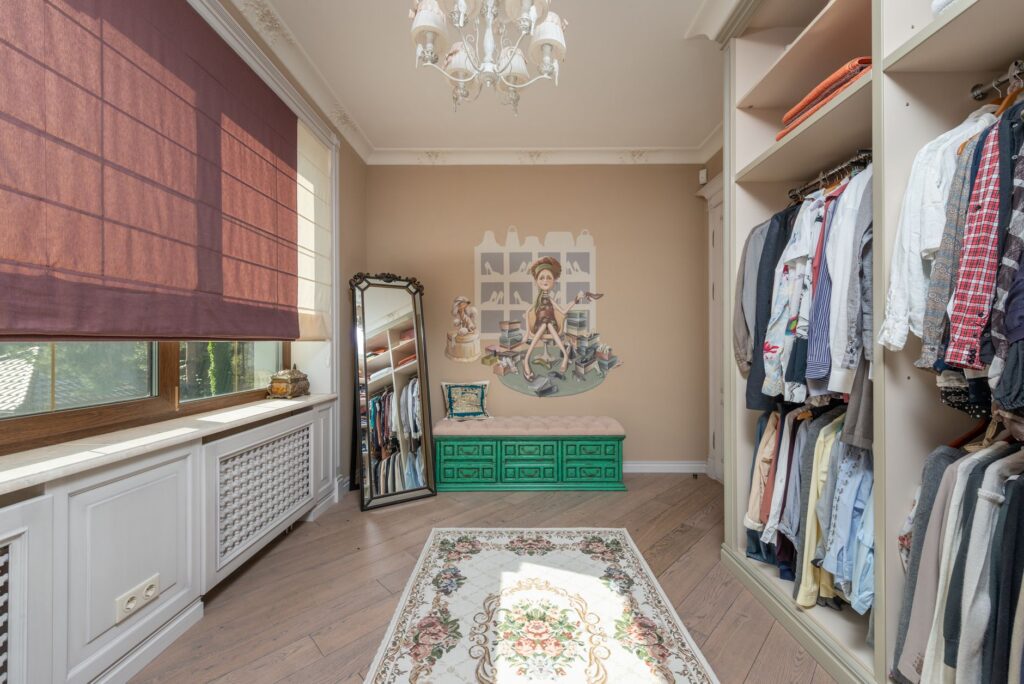
Inside closets or wardrobes serves a practical purpose while adding a boutique feel. Motion-activated LED strips ($25-50) turn on when you open the door and shut off automatically. Crown molding or ceiling coves create architectural interest in rooms that lack it. The strips sit in the recess, casting light upward to make ceilings feel higher. This requires either existing molding with a channel or installing new molding specifically designed for LED strips.
Choosing the Right Color Temperature
This matters more than most people realize. Color temperature affects your mood, sleep quality, and how the room feels.
Warm white (2700K-3000K) mimics traditional incandescent bulbs and creates a cozy, relaxing atmosphere. This is your safest choice for bedrooms. It makes wood tones look rich and fabrics look inviting. Most interior designers default to this range for sleeping spaces.
Neutral white (3500K-4100K) works if your bedroom doubles as a workspace or reading area. It’s more energizing than warm white but doesn’t have the harsh quality of cool white.
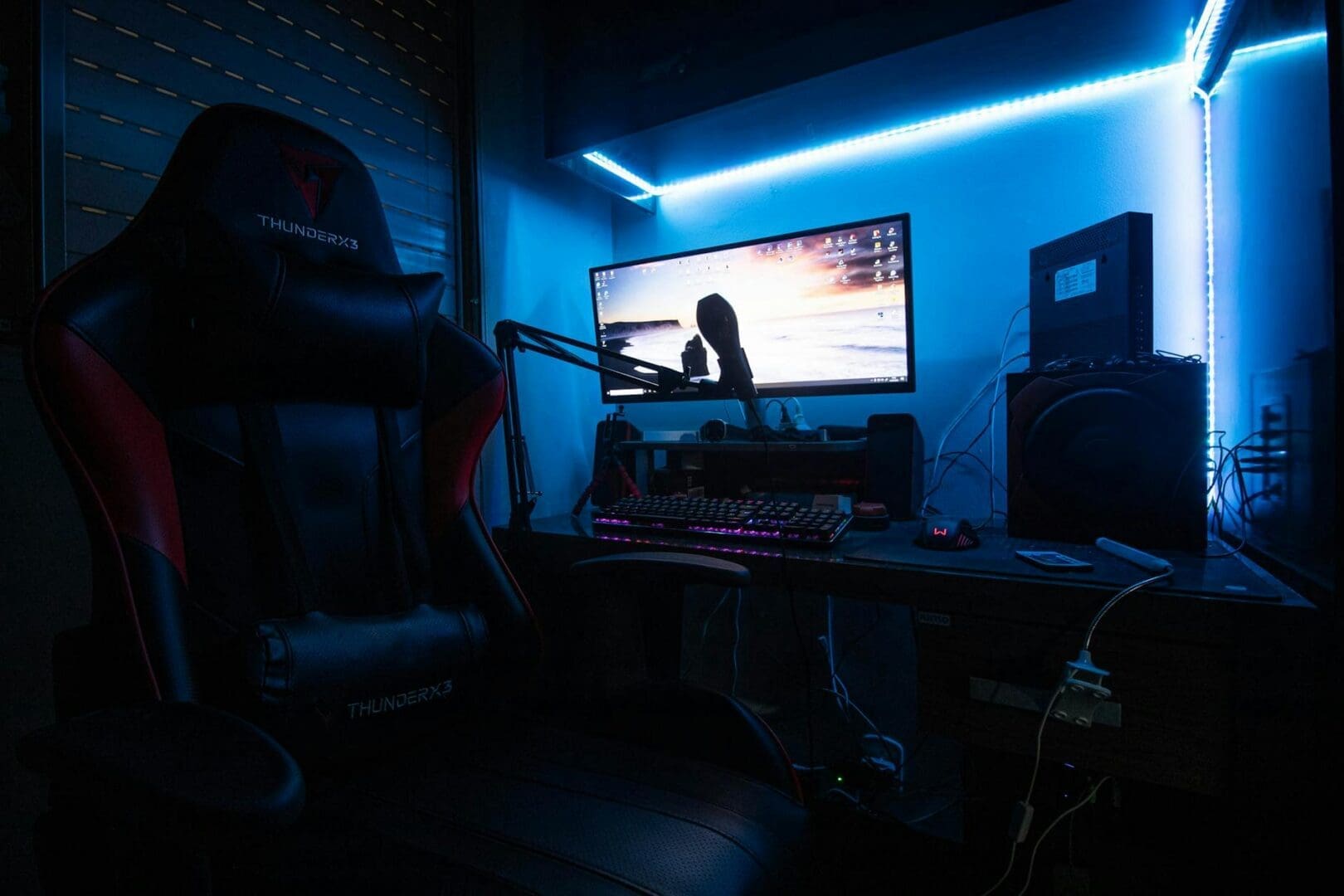
RGB color-changing strips seem fun in theory, but use them cautiously. Most people cycle through the rainbow once and then leave them on blue or purple, which looks dated quickly. If you want color options, consider tunable white strips instead. These let you adjust between warm and cool white depending on the time of day, without the novelty factor of neon colors.
Technical Features Worth Paying For
Not all LED strips are created equal. The cheap ones from random online sellers often have uneven lighting, poor adhesive, or color inconsistency between LED bulbs.
LED density matters for smooth, consistent light. Look for at least 300 LEDs per 16-foot reel (often labeled as “high density”). Lower density creates a dotted effect rather than a continuous glow. Dimmability gives you control over ambiance. Basic dimmer-compatible strips start around $20-35, while smart strips with app-based dimming run $40-100 depending on length and brand.
Smart home integration makes sense if you’re already using voice assistants or smart home systems. Being able to say “dim bedroom lights to 20%” or set automatic schedules is genuinely useful, not just a gimmick. Quality of adhesive backing determines whether your strips stay put or start drooping after a few months. Better strips use 3M adhesive. For permanent installations, aluminum channels ($15-40 depending on length) provide both better adhesion and a cleaner look with diffuser covers that hide individual LEDs.
Common Mistakes to Avoid
More isn’t better. One or two well-placed strips create ambiance. Five different strips in one bedroom creates visual chaos. Visible LED dots look unfinished. Always use some method to diffuse the light, whether that’s an aluminum channel with a frosted cover, placing strips where only the glow shows, or positioning them behind objects.
Mixing color temperatures in the same room feels disjointed. Stick to one temperature range throughout your bedroom lighting. Using LED strips as your only light source leaves you with a room that’s atmospheric but not functional. Combine them with overhead lighting and task lighting for a complete lighting scheme.
LED strip lighting works best as the supporting actor in your bedroom lighting design. Choose one or two strategic placements, stick with warm white unless you have a specific reason not to, and invest in quality strips with good density and reliable adhesive. The goal is a bedroom that feels more expensive and thoughtfully designed, not one that announces its LED strips the moment someone walks in.
Shopping for a dresser for your child’s room feels different than buying one for yourself. You’re not just thinking about today—you’re wondering if it’ll survive the toddler years, hold up through elementary school, and maybe even make it to the teenage bedroom. The good news? With the right approach, you can find a dresser that […]
You’ve found the perfect bed frame, but now your old dresser looks completely out of place. Or maybe you’re starting fresh and wondering whether you need to buy a matching bedroom set. The truth is, coordinating your dresser and bed frame isn’t about finding exact matches—it’s about creating visual harmony through smart choices about style, […]
Adding a dresser to your walk-in closet can transform it from a simple hanging space into a fully functional dressing room. But unlike choosing a dresser for your bedroom, closet dressers have different requirements—they need to fit within existing dimensions, complement built-in systems, and maximize storage without creating obstacles. Whether you’re designing a new closet […]