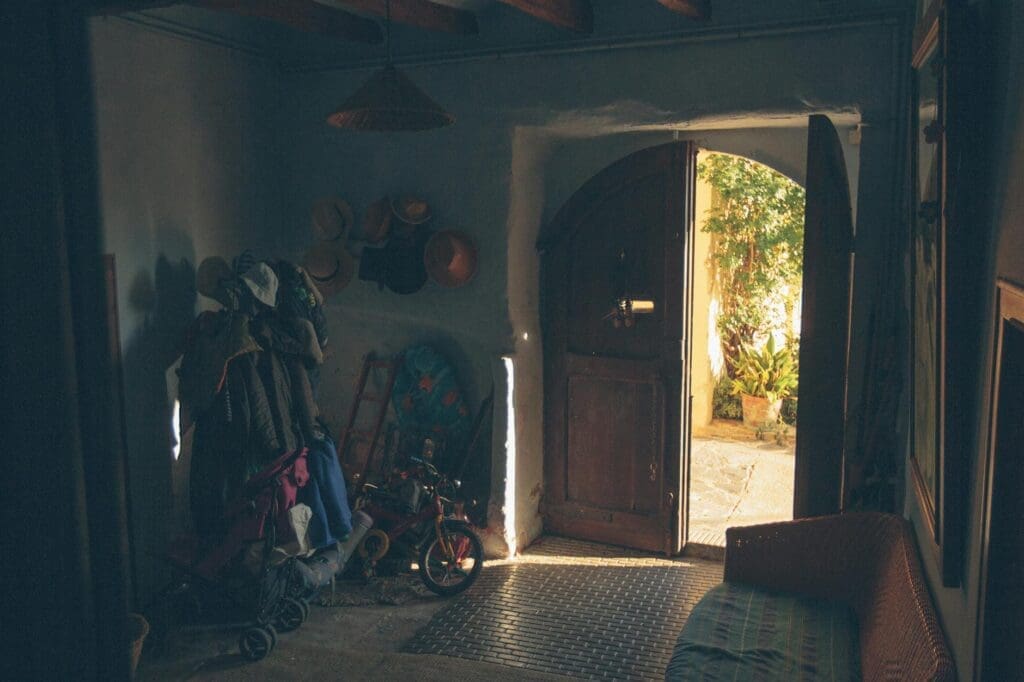
If your entryway looks like a tornado of backpacks, shoes, and jackets hit it every afternoon, you’re not alone. The space where your family comes and goes takes a beating, especially when kids are involved. The good news? With the right furniture and setup, you can create an entryway that contains the chaos instead of fighting against it.
Start With Low, Accessible Storage
The secret to a kid-friendly entryway is simple: everything needs to be within reach. When hooks are mounted at adult height and cubbies require a step stool, kids simply won’t use them. Your floor becomes the catch-all instead.
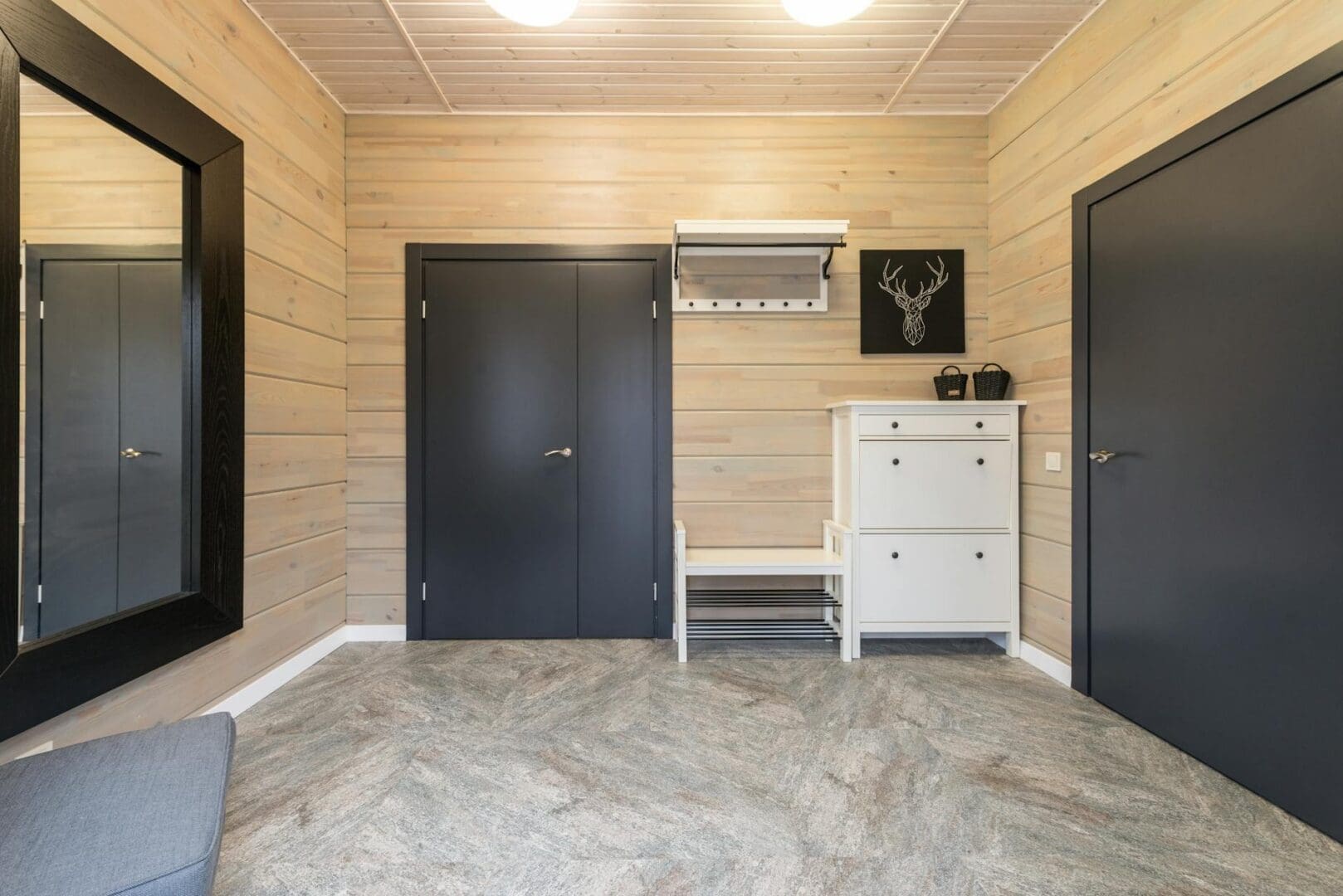
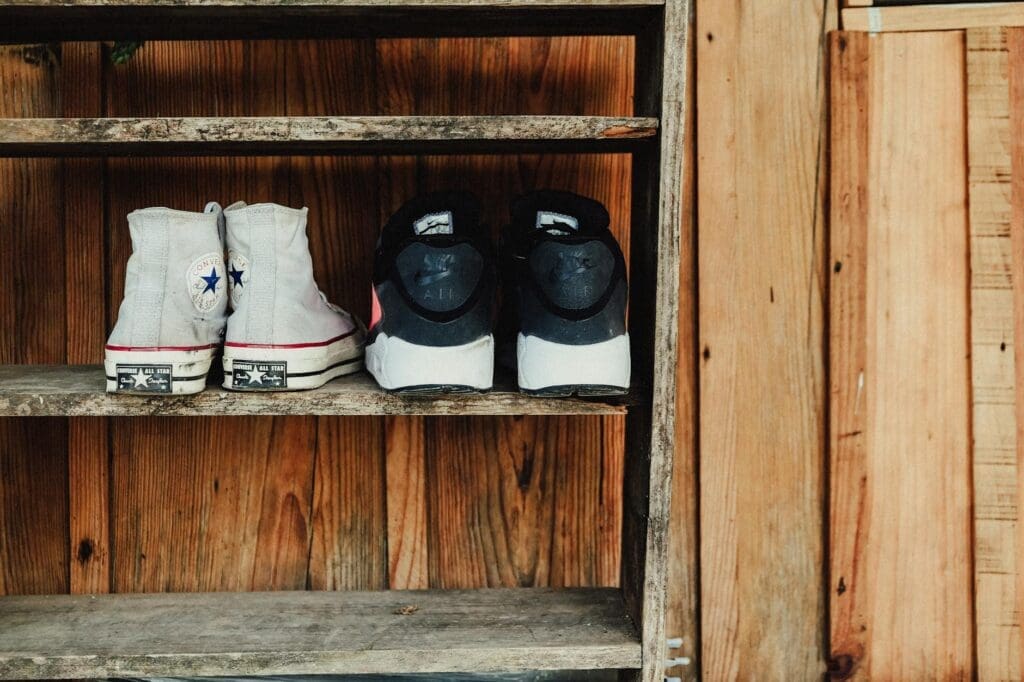
Look for storage benches with lower compartments or cubbies at kid height. Benches with open shelving underneath work beautifully for shoe storage—kids can see their options and actually put things away. Cubbies around 30-36 inches tall are ideal for elementary-aged children, while toddlers need storage closer to 24 inches.
Wall-mounted hook rails should have a double row: one at your height (around 60 inches) and another at 36-40 inches for kids. Each family member gets their own designated hooks, which cuts down on the “that’s mine!” arguments. Budget-friendly hook rails start around $25-40, while sturdy wooden peg systems run $60-120. For families with multiple kids, investing in the sturdier option pays off quickly.
Choose Furniture That Can Take a Hit
Let’s be realistic—entryway furniture needs to withstand wet boots, dropped soccer cleats, and the occasional scooter collision. This isn’t the place for delicate upholstery or wood that shows every scratch.
Storage benches with wipeable surfaces are your best friend here. Look for painted or laminate finishes over natural wood, or choose darker wood stains that hide scuffs better than light pine or oak. Benches with lift-top storage are great for hiding seasonal items, but open cubbies below keep daily-use shoes accessible and encourage kids to put things away themselves.
For seating cushions, skip light colors and delicate fabrics. Performance fabrics or vinyl cushions can be wiped down in seconds. Many storage benches in the $150-300 range come with removable cushions, which is clutch when you inevitably need to throw one in the wash. Higher-end options ($400-600) often feature more durable construction and better hardware that won’t strip after a year of heavy use.
Create Zones for Each Child
One of the biggest sources of entryway chaos is the communal pile effect—everyone’s stuff mixed together, and nobody knows whose responsibility it is. Individual zones solve this beautifully.
Mudroom lockers or cubby systems with separate sections give each child ownership of their space. You can find simple three-section cubby units starting around $80-150, while full locker-style systems run $300-800 depending on size and quality. Label each section with names or photos for younger kids who can’t read yet.
If you’re working with a smaller entryway, even a simple bench with designated baskets or bins underneath can work. Assign each child a specific basket for mittens, hats, and small items. Clear or mesh baskets ($15-25 each) help kids see what’s inside, making it more likely they’ll put things in the right spot.
Add Smart Details That Make Life Easier
Once you have the main furniture pieces sorted, a few thoughtful additions make your kid-friendly entryway truly functional. A small wall-mounted mirror at kid height helps them check themselves before heading out and teaches independence. Shallow wall shelves or a small console table (look for options 8-10 inches deep) give you a landing spot for library books, permission slips, or tomorrow’s soccer uniform.
Consider adding a small umbrella stand or wall-mounted holder specifically for kid-sized umbrellas—they’re more likely to use it if it’s designed for their gear. And if you have the wall space, a simple family calendar or command center keeps everyone on the same page about who needs to be where and when.
Your entryway sets the tone for your home, and with kids, it’s also your first line of defense against chaos spreading to other rooms. The right setup—with low storage, durable furniture, and designated zones—turns this high-traffic area into a space that works with your family instead of against it. You’ll spend less time nagging about putting things away and more time actually getting out the door on time.
A cramped entryway with shoes scattered everywhere isn’t just frustrating—it’s usually the first thing you and your guests see when walking through the door. The good news? Even the smallest entryway can stay organized with the right shoe rack. The challenge is finding one that actually fits your space without making it feel even more […]
That pile of shoes by the door isn’t going to organize itself, and your coats deserve better than being draped over the nearest chair. A coat rack with built-in shoe storage solves both problems in one piece of furniture, making it perfect for entryways, mudrooms, or even bedroom corners where clutter tends to accumulate. The […]
A cramped entryway doesn’t mean you’re doomed to trip over piles of coats or hunt for misplaced keys every morning. The right coat rack can transform even the tiniest entry into an organized, welcoming space. The challenge is finding one that holds what you need without making your small entryway feel even smaller. Consider Your […]