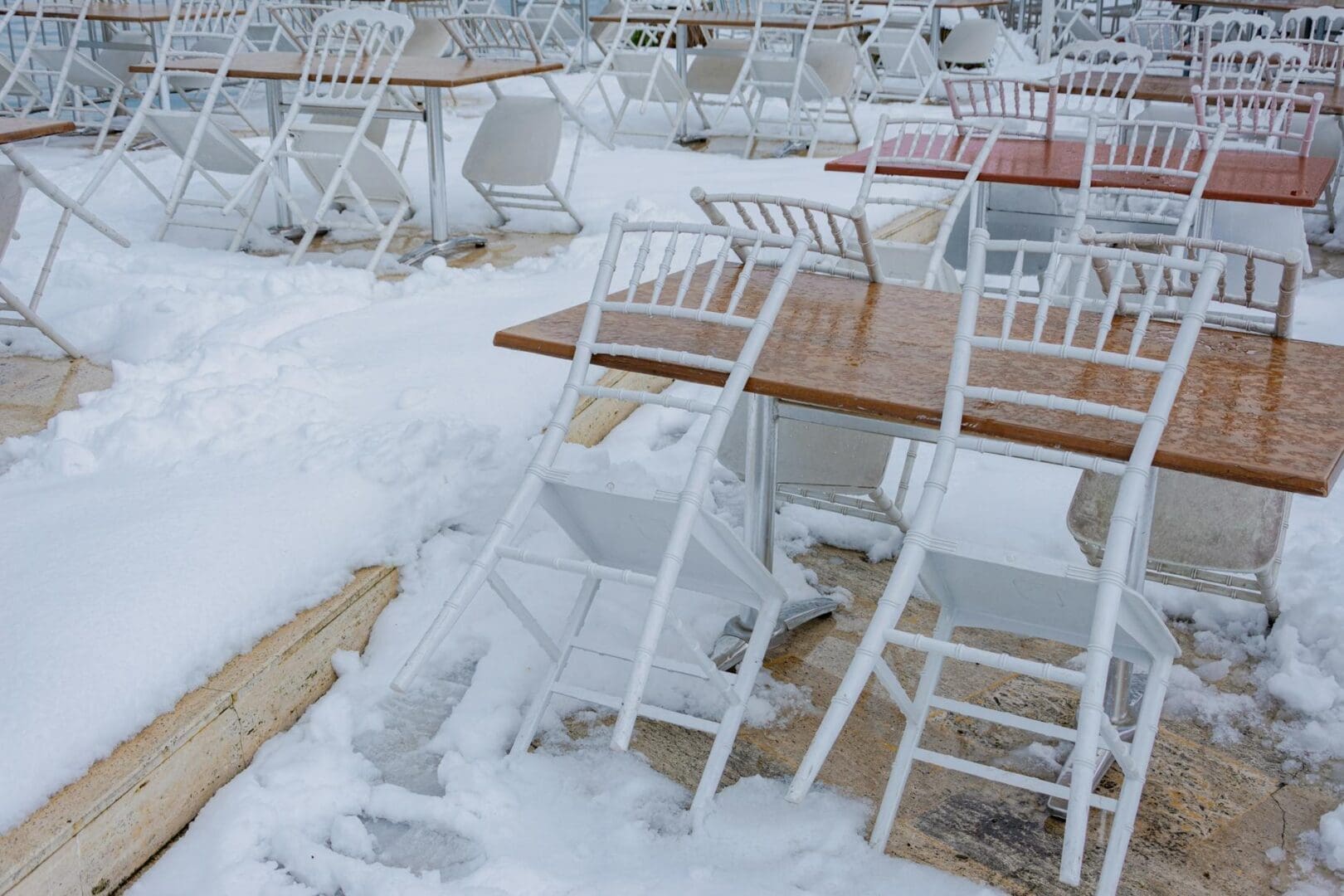
You’ve spent good money on outdoor furniture that makes your patio or deck feel like an extension of your home. Now that temperatures are dropping, you’re wondering whether you can just leave everything outside or if you need to haul it all into the garage. The answer depends on what you have and how harsh your winters get, but a little prep work now can add years to your furniture’s life and save you from replacing pieces come spring.
Know What Can Stay and What Should Go
Not all outdoor furniture is created equal when it comes to winter resilience. Teak, cedar, and metal furniture with powder-coated finishes can typically weather winter outdoors with minimal protection, especially if you live in a mild climate. These materials are naturally rot-resistant or designed to handle moisture and temperature swings.
Wicker, rattan (even synthetic versions), and softer woods like pine are more vulnerable. Wicker can crack in freeze-thaw cycles, and cheaper resin pieces can become brittle in extreme cold. If you have the storage space, bring these pieces inside a garage, shed, or basement. Cushions and fabric elements should always come inside—even “outdoor” fabrics will fade, develop mildew, and deteriorate faster when exposed to months of winter weather.
Aluminum and all-weather wicker pieces fall somewhere in the middle. They can stay out with proper covering, but storing them will extend their lifespan considerably.
Clean Before You Cover or Store
This step feels tedious when it’s cold outside, but it matters more than you’d think. Dirt, pollen, and organic debris trap moisture against furniture surfaces, which speeds up rust, rot, and mildew growth over winter months.
Give everything a thorough cleaning with mild soap and water. For metal furniture, check for any chips in the finish and touch them up with exterior paint to prevent rust from taking hold. Wood furniture benefits from a fresh coat of sealant or teak oil before winter—think of it as a protective barrier against moisture. Make sure everything is completely dry before covering or storing to avoid trapping moisture.
If you’re storing cushions, wash the covers according to the manufacturer’s instructions and let them dry completely. Store them in waterproof bins or breathable storage bags rather than plastic garbage bags, which can trap moisture and encourage mildew.
Choose Covers That Actually Protect
If you’re keeping furniture outside, invest in proper covers—not the flimsy ones that rip after one windy night. Look for covers made from heavy-duty polyester or vinyl with waterproof backing, reinforced seams, and tie-down straps or drawstrings that actually secure them.
Vented covers are worth the extra few dollars. They allow moisture and condensation to escape rather than creating a damp environment underneath. Covers should fit snugly without being so tight that they trap moisture or so loose that they blow off. Measure your furniture before buying—a sectional sofa needs different coverage than a bistro set.
For budget context, expect to spend $30-$50 for a quality chair cover, $80-$150 for a sofa or sectional cover, and $100-$200 for a full dining set cover. Cheaper options in the $15-$25 range rarely last more than one season.
Even with covers, elevate furniture slightly off the ground with furniture risers or even bricks to prevent the legs from sitting in standing water or snow melt. This simple step prevents rust and rot at contact points.
Don’t Forget the Accessories
Umbrellas should be closed, removed from their bases, and stored upright in a dry location. Leaving them outside invites frame damage and fabric deterioration. Fire pit covers are essential if you’re leaving the unit outside—moisture can damage gas lines and burners. Store propane tanks in a well-ventilated area away from the house.
Glass tabletops are surprisingly vulnerable to cracking from ice expansion. If you can easily remove them, store them vertically indoors wrapped in blankets. If not, make sure they’re thoroughly covered and check periodically that water isn’t pooling on top.
Taking an afternoon now to properly winterize your outdoor space means you’ll be ready to enjoy it again the moment warm weather returns. Your furniture will look better, last longer, and need fewer repairs—which means more time relaxing outside and less time shopping for replacements.
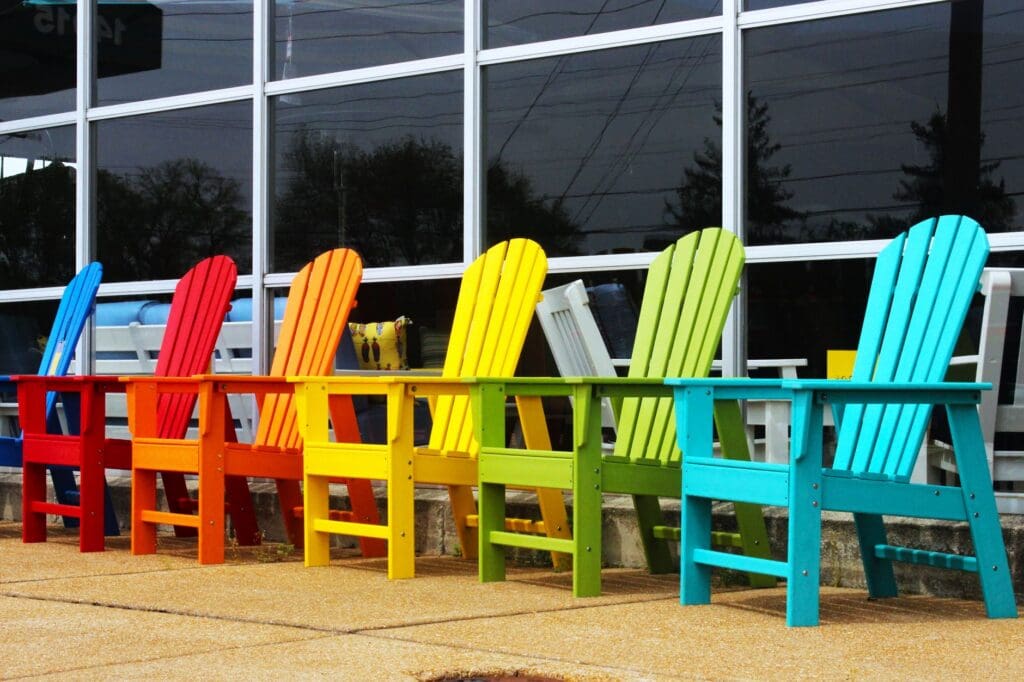
You’ve fallen for the classic look of Adirondack chairs, but now you’re stuck at the fork in the road: traditional wood or modern poly? It’s not just about aesthetics—this decision affects how much time you’ll spend on maintenance, how long your chairs will last, and whether you’ll be repainting in two years or still enjoying […]
There’s something wonderfully ironic about the Adirondack chair’s origin story. Back in 1903, Thomas Lee was vacationing in Westport, New York, frustrated by the lack of comfortable outdoor seating that could handle the sloped terrain of his property. So he built a wide-backed, slatted chair with a reclined seat—and accidentally created an icon. Today, you’ll […]
Nothing pulls together a patio quite like an outdoor rug—it defines your seating area, adds comfort underfoot, and makes the whole space feel more intentional. But get the size wrong, and it can look like a bath mat floating in the middle of your deck or a carpet that swallows your furniture whole. The good […]