You’ve got a beautiful sideboard or buffet, but somehow it just looks… empty. Or maybe you’ve piled things on top and it’s become a cluttered catch-all. Either way, you know it has potential to be so much more. The good news? Styling a sideboard doesn’t require a designer’s eye—just a few simple principles that anyone can follow.
Start With Function, Then Add Beauty
Before you start decorating, think about how you actually use this piece. In a dining room, your sideboard might hold serving dishes or table linens. In an entryway, it’s where keys and mail land. In a living room, it could house board games or extra throws.
Keep the items you use regularly inside the sideboard or in discreet containers on top. This prevents your styling from getting disrupted every time you need something. Woven baskets, decorative boxes, and ceramic jars with lids are perfect for corralling everyday items while still looking intentional. Choose storage pieces that complement your sideboard’s finish—natural materials like rattan or wood work beautifully with most styles, while lacquered boxes suit more modern pieces.
Master the Rule of Three (and Varying Heights)
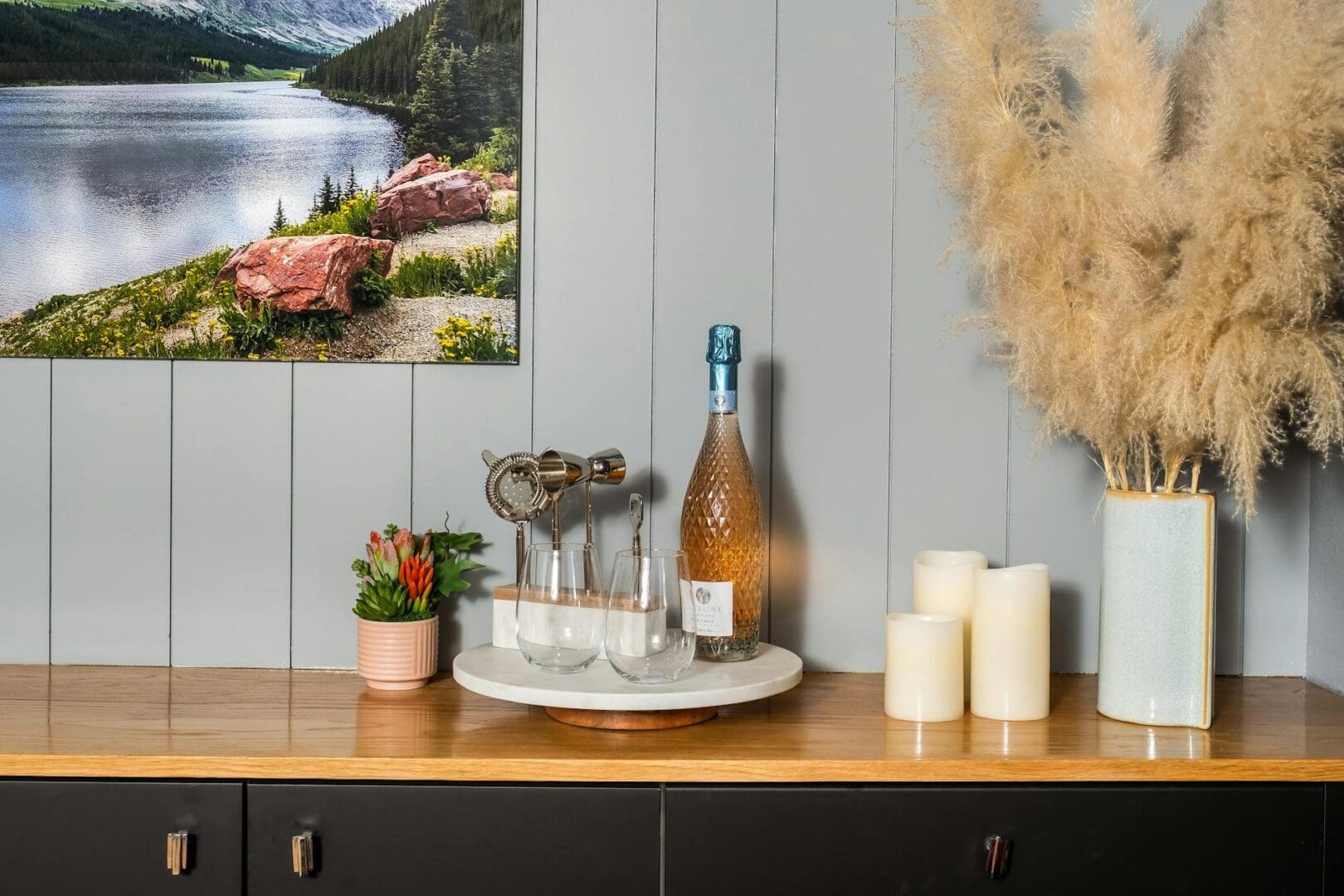
The secret to professional-looking sideboard styling is creating visual interest through height variation and grouping in odd numbers. Think of your surface in three layers: tall, medium, and low.
Your tall layer might be a mirror, large artwork, or an oversized vase (24-36 inches works well for most standard sideboards). This anchors your arrangement and draws the eye up. The medium layer includes table lamps, medium vases with branches or flowers, or stacked books (8-18 inches). Your low layer brings it all together with small decorative objects, candles, or shallow bowls (3-6 inches).
Group items in threes or fives rather than pairs. Three candlesticks of varying heights look more collected and interesting than two matching ones. This odd-number approach feels organic rather than overly symmetrical.
Create Balance Without Perfect Symmetry
You don’t need to mirror everything on both sides of your sideboard, but you do want visual balance. If you have a tall lamp on the left side, balance it with a tall vase and a few stacked books on the right. The key is that both sides feel weighted similarly, even if the actual objects differ.
Leave some breathing room, too. A sideboard that’s 60 inches wide doesn’t need 60 inches of stuff on top. Aim to style about two-thirds of the surface, leaving some empty space so each element can shine. If your sideboard is particularly long (72 inches or more), you can create two separate vignettes with space between them rather than one continuous arrangement.
Layer in Texture and Personal Touches
What separates a styled sideboard from a random collection of objects is intentional texture mixing. Combine smooth ceramics with rough wood, shiny metal with matte stone, soft textiles with hard glass. A wooden dough bowl, brass candlesticks, and a ceramic vase create much more visual interest than three items all made from the same material.
This is also where you bring in personality. A few well-chosen books (real ones you’ve read, not just decorative spines), a small framed photo, a special souvenir, or a piece of art you love makes your sideboard feel like yours. Just remember that less is more—one or two personal items mixed into your arrangement feels curated, while five family photos and a vacation snow globe collection looks cluttered.
Keep your color palette cohesive with the rest of your room. If your space is mostly neutrals, stick with natural materials and perhaps one accent color. In a more colorful room, you can be bolder, but limit yourself to three main colors in your sideboard styling.
Styling a sideboard is really about creating a small, beautiful moment in your home. Start with those functional pieces you need, add height variation with three layers, balance the arrangement without being too matchy, and layer in textures that feel good together. The result should look intentional but not fussy—like you thoughtfully placed these items and then actually lived with them. Which, of course, you will.
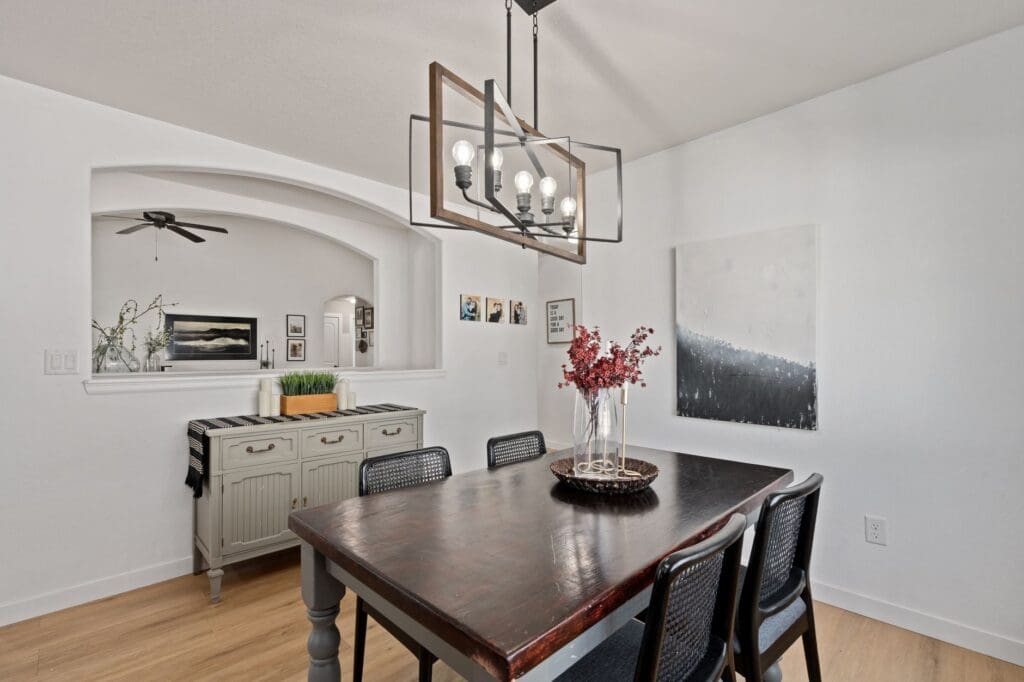
You’ve measured your dining room, you know you need more storage, and now you’re staring at dozens of sideboards wondering: doors or open shelves? It’s not just an aesthetic choice—it affects how you’ll actually use this piece every single day. Let’s walk through what really matters so you can pick the sideboard that works for […]
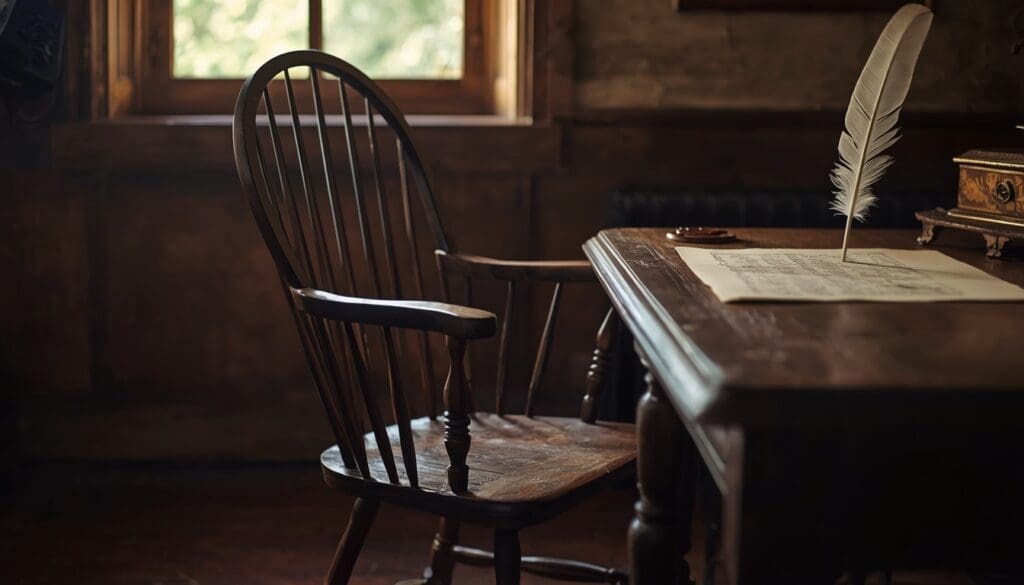
Did You Know? The Declaration of Independence Was Likely Written in a Windsor Chair As America celebrates 250 years of independence, it’s worth looking at one of the quieter witnesses to that history: the humble Windsor chair. Thomas Jefferson is said to have drafted the Declaration of Independence while seated in an unusual revolving Windsor […]
Shopping for a dining table when you have a family of six means you need something that works for Tuesday night homework sessions, weekend pancake breakfasts, and holiday dinners with grandparents—all without taking over your entire dining room. The right table makes family life easier. The wrong one? You’ll feel it every single day. Let’s […]