There’s something ironic about coat racks: we buy them to create order, but they often become the messiest spot in our homes. Between winter jackets, scarves that never quite hang right, and bags that end up draped over everything, that sleek coat rack you bought can quickly turn into a chaotic pile. The good news? With a few intentional choices, you can keep your coat rack looking pulled-together even when it’s in daily use.
Choose the Right Coat Rack for Your Space
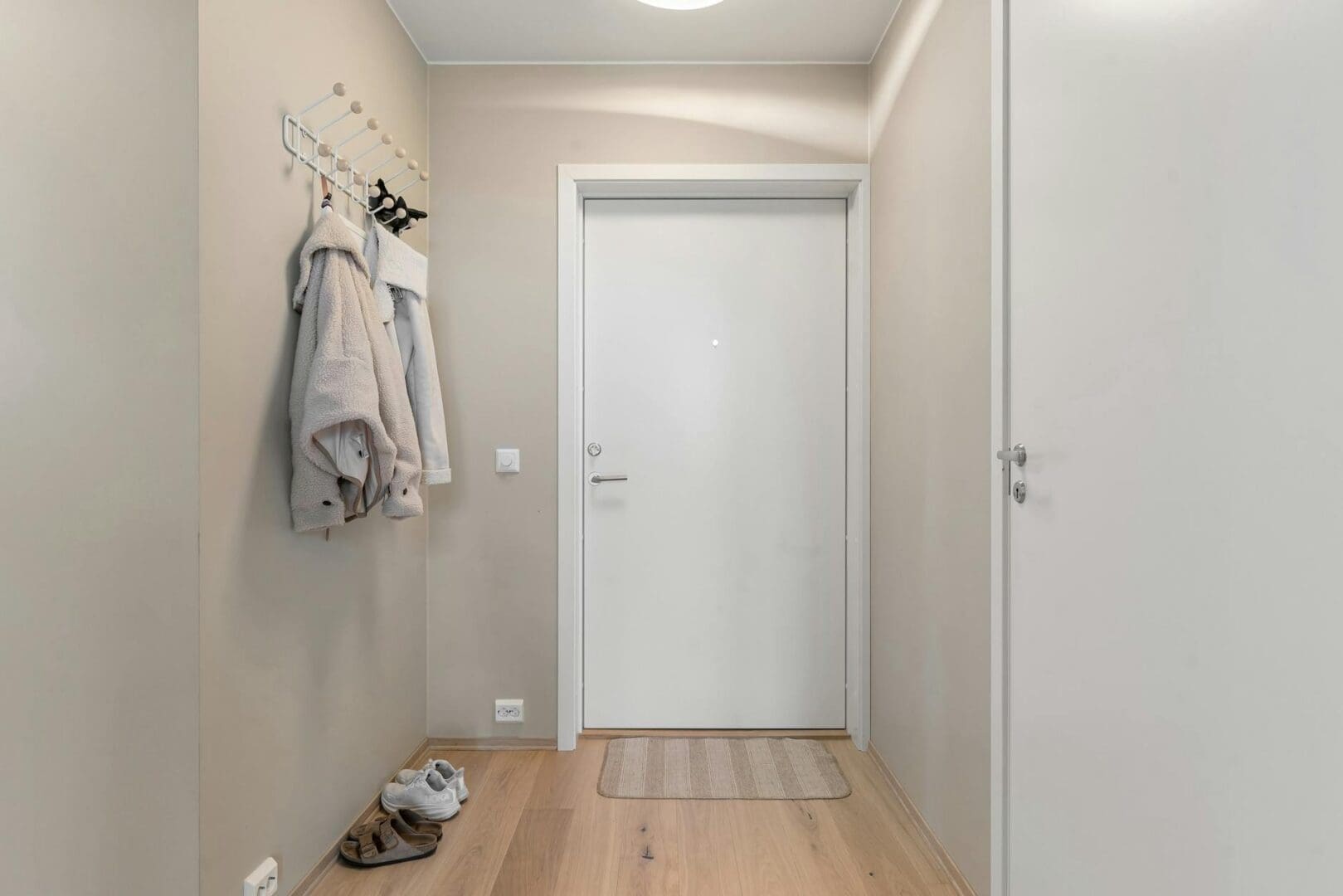
The foundation of a tidy coat rack starts with picking the right style for how you actually live. Freestanding tree-style racks work well if you need maximum capacity, but they can look cluttered fast—stick with designs that have 6-8 hooks rather than 12+ to avoid the temptation to overload. Wall-mounted racks with individual hooks give you more control over spacing and visual weight, making it easier to keep things looking intentional.
Consider a coat rack with a built-in shelf on top or storage below. That upper shelf gives you a designated spot for hats, keys, or a catchall tray, which prevents these items from ending up draped over your coats. Budget options start around $40-60 for basic wall-mounted designs, while mid-range freestanding racks in wood or metal run $80-150. Splurge-worthy options ($200-400) often include benches with storage or architecturally interesting designs that look good even when fully loaded.
Apply the Two-Thirds Rule
Here’s the secret that professional organizers know: a coat rack looks styled, not stuffed, when you only fill about two-thirds of the available hooks. This means if you have an 8-hook rack, aim to keep only 5-6 items hanging at any time. The empty space gives your eye a place to rest and makes each item look more deliberate.
Rotate seasonal items to maintain this ratio. Store summer jackets and lighter layers elsewhere during winter months, and vice versa. If you’re consistently maxing out your hooks, you either need a larger rack or a companion solution like a hall closet or storage bench nearby. The two-thirds rule also applies to wall-mounted peg systems—leaving strategic gaps between items creates visual rhythm rather than visual chaos.
Create Visual Harmony with Color and Length
When everything on your coat rack is a different length, color, and texture, it naturally reads as messy. You don’t need to coordinate your entire wardrobe, but a few strategic choices help. Group similar items together: all scarves on one section, bags on another, everyday jackets in the middle. This creates zones that your eye can process easily.
Pay attention to length variation too. Alternate between shorter items (blazers, light jackets) and longer ones (winter coats, robes) rather than clustering all the bulky pieces together. If you have hooks at different heights, place heavier coats on lower hooks and lighter items up top—this creates better visual balance and prevents the rack from looking top-heavy.
Color blocking makes a surprising difference. If most of your outerwear is neutral, consider that a feature rather than boring—earth tones and blacks create a cohesive look. If you love color, embrace it fully with a curated selection rather than a rainbow explosion. The goal is intentional, not accidental.
Add Boundaries with Baskets and Accessories
Sometimes the best way to style a coat rack is to give rogue items somewhere else to go. Place a slim basket or bin underneath for dog leashes, reusable shopping bags, or kids’ backpacks—things that often end up hanging from the bottom hooks. A small tray on a wall-mounted shelf corrals keys, sunglasses, and pocket stuff that otherwise migrates onto hooks.
Matching hangers for items that benefit from them (like blazers or delicate scarves) create instant visual order. Velvet hangers in particular prevent slipping and take up less visual space than plastic or wooden ones. For scarf storage, consider adding a separate multi-loop hanger or installing a few adhesive hooks inside a nearby closet door.
The reality is that coat racks earn their keep by being functional, not pristine. The goal isn’t magazine-perfect styling—it’s creating a system that looks reasonably good even when you’re using it every day. Focus on the right size rack, maintain some breathing room between items, group things thoughtfully, and give yourself contained spaces for the odds and ends. Your entryway will thank you, and so will anyone who visits.
A cramped entryway with shoes scattered everywhere isn’t just frustrating—it’s usually the first thing you and your guests see when walking through the door. The good news? Even the smallest entryway can stay organized with the right shoe rack. The challenge is finding one that actually fits your space without making it feel even more […]
Your entryway deserves better than a pile of shoes and jackets on the floor, but quality entryway benches can easily run $300 to $800 or more. The good news? Building your own bench is more approachable than you might think, and you can create something functional and stylish for a fraction of the retail price. […]
If you’re tired of tripping over shoes the moment you walk through the door, a shoe bench with storage might be exactly what your entryway needs. These hardworking pieces combine seating with hidden or open storage, giving you a comfortable spot to put on shoes while keeping them organized and out of sight. But with […]