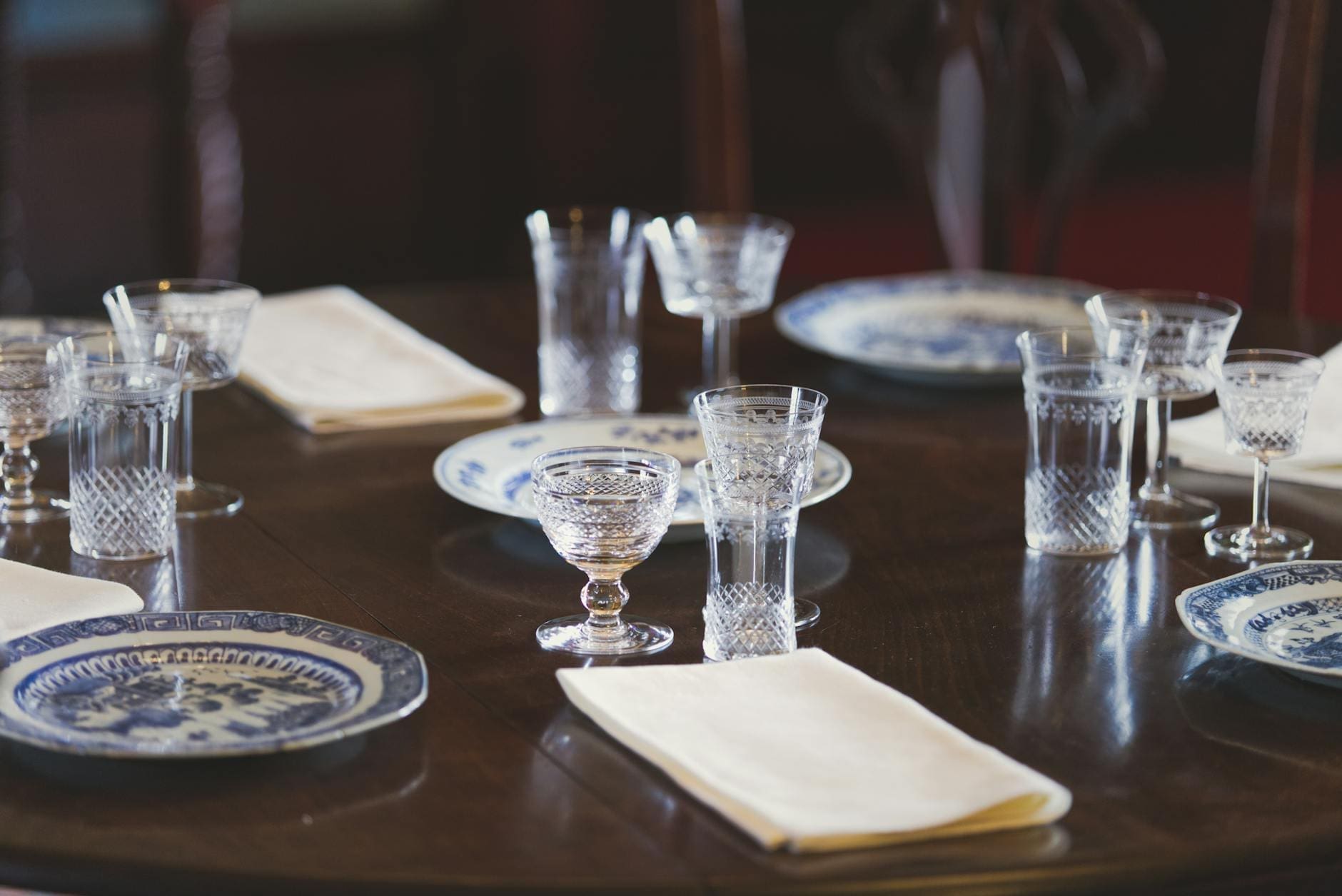
Whether you’re hosting a holiday dinner, celebrating a milestone, or simply want to elevate your next dinner party, knowing how to properly set a formal table transforms an ordinary meal into something memorable. The good news? Once you understand the basic framework, formal table setting becomes second nature. Let’s walk through exactly what you need and where everything goes.
The Essential Pieces You’ll Need
A formal place setting requires more pieces than your everyday dinner setup, but you don’t need to buy everything at once. Start with the basics and build your collection over time:
Dinner plate: 10-11 inches, placed at the center of each setting
Salad plate: 8-9 inches, positioned on top of the dinner plate
Bread plate: 6-7 inches, sits above the forks on the left
Water goblet and wine glasses: positioned above the knives on the right
Full flatware set: multiple forks, knives, spoons, and a dessert utensil
Cloth napkin: either centered on the plates or to the left of the forks
Quality matters here. Budget formal dinnerware sets start around $150-200 for eight place settings, mid-range options run $400-700, and investment pieces from brands like Lenox or Wedgwood can exceed $1,500. For flatware, expect to spend $100-300 for a budget set, $400-800 for mid-range stainless steel, and $1,000+ for sterling silver.
The Proper Placement: Working from the Outside In
The golden rule of formal table setting is that guests use utensils from the outside in with each course. This principle guides the entire arrangement:
The left side: Forks are placed to the left of the dinner plate in order of use. The salad fork goes on the outside (since salad typically comes first), followed by the dinner fork closer to the plate. If you’re serving fish, that fork sits between the two.
The right side: Knives go immediately to the right of the plate with blades facing inward, followed by spoons. From left to right: dinner knife, salad knife, soup spoon. A seafood fork, if needed, can sit to the right of the soup spoon or be brought out with the course.
Above the plate: The dessert spoon and fork rest horizontally above the dinner plate, with the spoon handle facing right and the fork handle facing left. The bread plate sits at 10 o’clock with a butter knife laid across it horizontally.
The drinking glasses: Arrange them above the knives in a diagonal line or triangle. The water goblet sits directly above the dinner knife, with white and red wine glasses positioned to the right at a slight angle.
Creating the Complete Look
The place settings are just the foundation. What truly makes a formal table special are the finishing touches:
A quality tablecloth is non-negotiable for formal dining. It should hang 8-12 inches over the edge of your table. Crisp white or ivory linen remains the classic choice, though subtle colors work for less traditional events. Plan to spend $40-80 for synthetic blends, $100-200 for quality linen, or $300+ for heirloom-quality damask.
Charger plates add an elegant base layer beneath your dinner plate. These decorative 12-13 inch plates aren’t meant for food but create visual impact and define each guest’s space. They’re removed before dessert. You’ll find options from $8-15 per plate for basic designs to $50+ for metallic or ornate styles.
Your centerpiece should enhance conversation, not block it. Keep arrangements below eye level (under 12 inches) or go dramatically tall (over 24 inches) so guests can see across the table. Fresh flowers, candlesticks, or seasonal arrangements all work beautifully.
Don’t forget place cards for larger gatherings. They eliminate seating confusion and show thoughtful planning. Position them centered above the dessert utensils or propped against the water goblet.
Getting It Right Without Stress
Remember that formal table setting follows logic, not arbitrary rules. Every piece has a purpose and goes where it’s most convenient for the guest to use it. Practice your setup before guests arrive, and consider taking a photo of one complete place setting to reference as you set the remaining spots.
The real secret? Confidence matters more than perfection. When you’ve invested in quality pieces and arranged them thoughtfully, your guests will feel honored and welcomed. That’s what transforms a formal dinner into an occasion worth remembering.
You need more storage in your living room, but a bulky bookcase feels too heavy and floating shelves aren’t cutting it. A credenza might be exactly what you’re looking for—it’s that low-profile cabinet that gives you tons of hidden storage while creating a beautiful surface for lamps, plants, and the things you actually want to […]
If you’ve been hitting snooze repeatedly or dragging yourself out of bed feeling groggy, you’re not alone. Waking up to a jarring alarm in a dark room works against your body’s natural rhythms, especially during winter months. A sunrise alarm clock mimics natural dawn, gradually filling your room with light to ease you awake. But […]
Waking up at 3 a.m. with a sweaty neck and flipping your pillow to the cool side for the fourth time isn’t just annoying—it’s robbing you of quality sleep. If you’re a hot sleeper, your pillow might be trapping heat against your head and neck all night long. The good news? The right cooling pillow […]