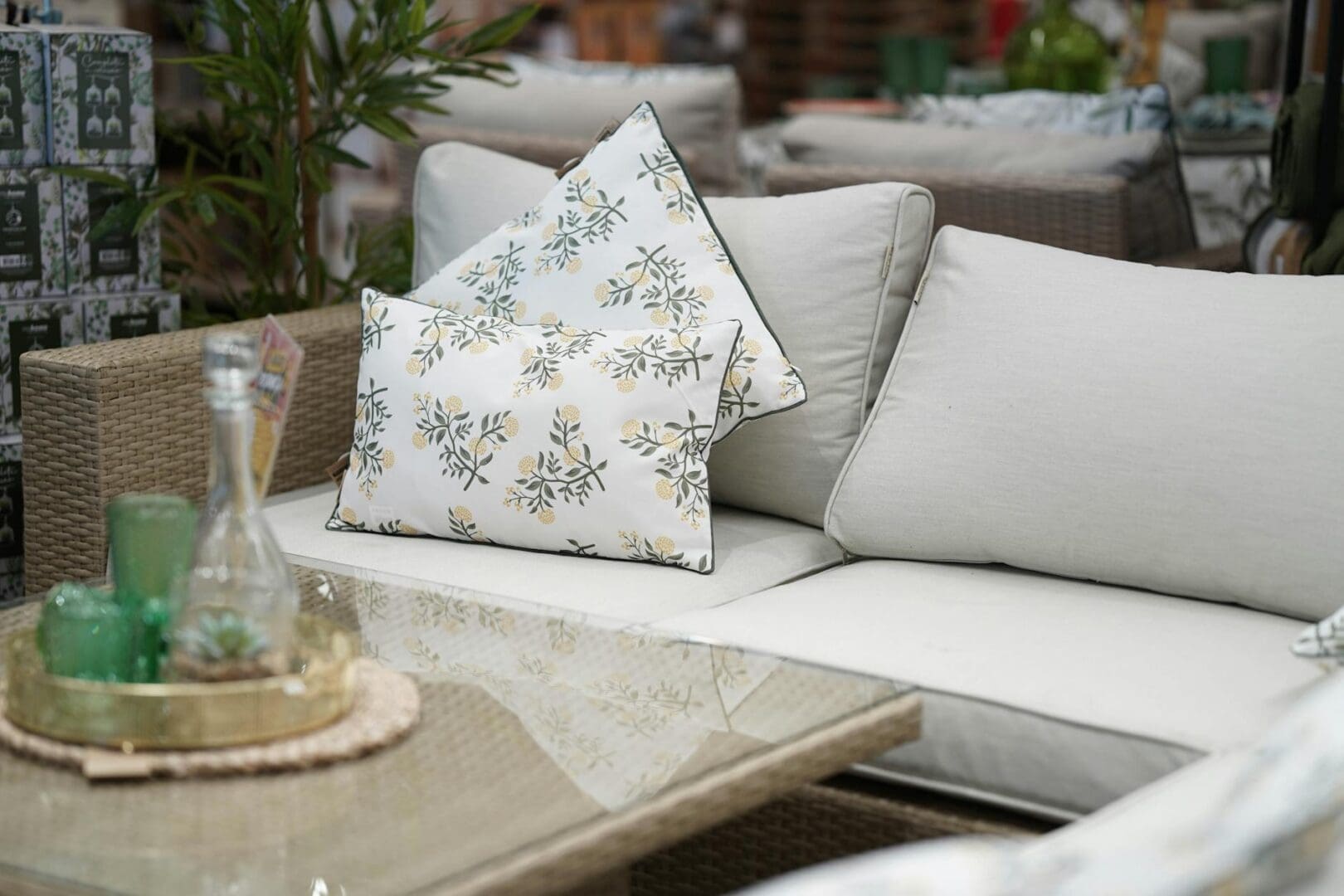
You pulled the covers off your outdoor furniture for the season and discovered those telltale dark spots and musty smell—mildew has made itself at home on your cushions. Before you assume they’re ruined and start shopping for replacements, know that most mildew problems are completely fixable with the right approach. The key is acting quickly and using the right cleaning method for your cushion fabric.
Understanding What You’re Dealing With
First things first: mildew is a surface fungus that thrives in damp, warm conditions. Unlike mold, which penetrates deeper into materials, mildew typically stays on the surface, which is good news for your cleaning efforts. Those black, gray, or brown spots you’re seeing are most common on cushions that have been stored while still damp or left outside in humid conditions without proper airflow.
The fabric type matters significantly here. Most outdoor cushions use either solution-dyed acrylic (like Sunbrella), polyester, or olefin fabrics. These synthetic materials are naturally mildew-resistant, but they’re not mildew-proof—especially if they stay wet. If you have older cushions with cotton or cotton-blend covers, they’re even more susceptible to mildew growth.
The Best Cleaning Methods by Severity
For light mildew on most outdoor fabrics, start with the gentlest approach. Mix one cup of white vinegar with one cup of warm water in a spray bottle. Spray the affected areas generously, let it sit for 15 minutes, then scrub with a soft brush. Rinse thoroughly with clean water and let the cushions dry completely in direct sunlight—the UV rays actually help kill remaining spores.
For stubborn mildew, you’ll need something stronger. Create a solution using one cup of bleach (or oxygen bleach for colored fabrics) mixed with one gallon of water and a quarter cup of mild dish soap. Apply with a sponge or soft brush, working in circular motions. Let it sit for 15-20 minutes, but don’t let it dry on the fabric. Rinse extremely thoroughly—any bleach residue left behind can actually weaken the fabric fibers over time.
If you’re dealing with removable cushion covers, many can go right in the washing machine. Check the care label first, but most solution-dyed acrylics can handle a gentle cycle with cold water and mild detergent. Add a cup of white vinegar to the rinse cycle. Skip the dryer and air-dry them completely in the sun instead.
What About Cushion Fill and Foam?
If mildew has reached the foam inserts, you’ve got a bigger project. Remove the covers and inspect the foam carefully. Surface mildew on foam can be cleaned with the same vinegar solution, but if the mildew has penetrated deep into the foam or if it’s falling apart, replacement is your best option. Quality outdoor foam cushions with quick-dry technology typically run $30-80 per seat cushion, while premium options with antimicrobial treatments can reach $100-150.
When cleaning foam, never saturate it completely. Use a spray bottle to apply your cleaning solution, work it in gently with your hands, then rinse by dabbing with a damp cloth rather than soaking. Stand foam pieces on their sides in direct sunlight and allow at least 48 hours for complete drying—this is crucial to prevent mildew from returning.
Preventing Future Mildew Problems
Here’s the truth: prevention is infinitely easier than removal. Never store outdoor cushions while they’re even slightly damp. After rain or cleaning, stand them on their sides to promote airflow and faster drying. If you’re storing cushions for winter, make sure they’re bone-dry and keep them in a ventilated space—not sealed in plastic bags or airtight containers, which trap moisture.
Consider investing in cushion storage bags made from breathable materials, which typically run $15-40 depending on size. For cushions that stay outside year-round, bring them in during extended rainy periods or cover them with breathable furniture covers that allow moisture to escape while blocking rain.
Once you’ve successfully removed the mildew, your cushions should look and smell fresh again. The whole process might take a weekend when you factor in drying time, but it’s absolutely worth it to extend the life of outdoor cushions that might have cost you several hundred dollars to replace. Just remember: thorough drying after cleaning is just as important as the cleaning itself, and quick action at the first sign of mildew prevents a small problem from becoming a big one.
You’ve fallen for the classic look of Adirondack chairs, but now you’re stuck at the fork in the road: traditional wood or modern poly? It’s not just about aesthetics—this decision affects how much time you’ll spend on maintenance, how long your chairs will last, and whether you’ll be repainting in two years or still enjoying […]
There’s something wonderfully ironic about the Adirondack chair’s origin story. Back in 1903, Thomas Lee was vacationing in Westport, New York, frustrated by the lack of comfortable outdoor seating that could handle the sloped terrain of his property. So he built a wide-backed, slatted chair with a reclined seat—and accidentally created an icon. Today, you’ll […]
Nothing pulls together a patio quite like an outdoor rug—it defines your seating area, adds comfort underfoot, and makes the whole space feel more intentional. But get the size wrong, and it can look like a bath mat floating in the middle of your deck or a carpet that swallows your furniture whole. The good […]