Staring at a closet that’s bursting at the seams while somehow still making it impossible to find anything? Small bedroom closets are one of those design challenges that almost everyone faces, whether you’re in an apartment, starter home, or older house where closets were an afterthought. The good news is that with the right organizing pieces and a smart layout, you can nearly double your usable space without knocking down any walls.
Start With the Right Closet System
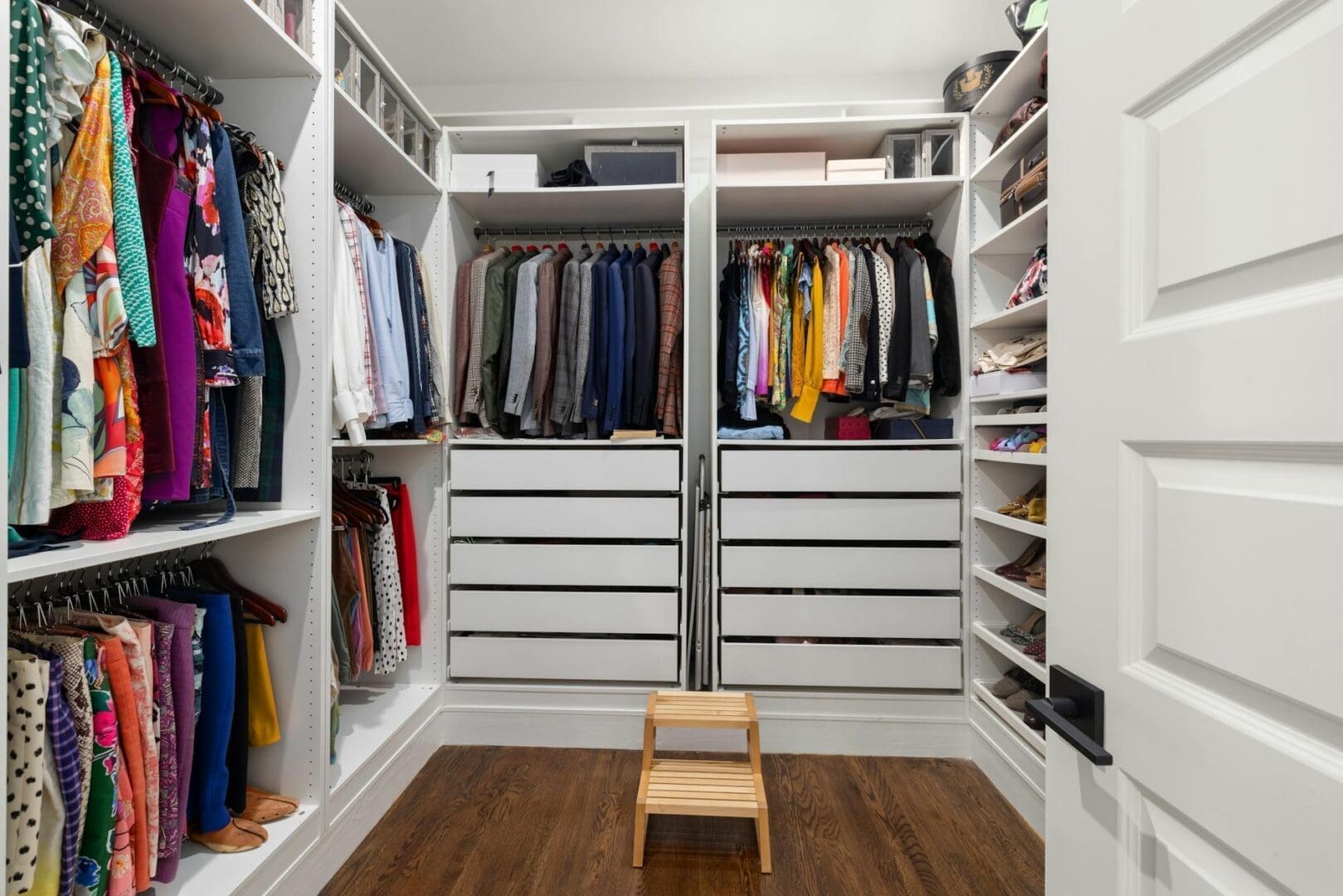
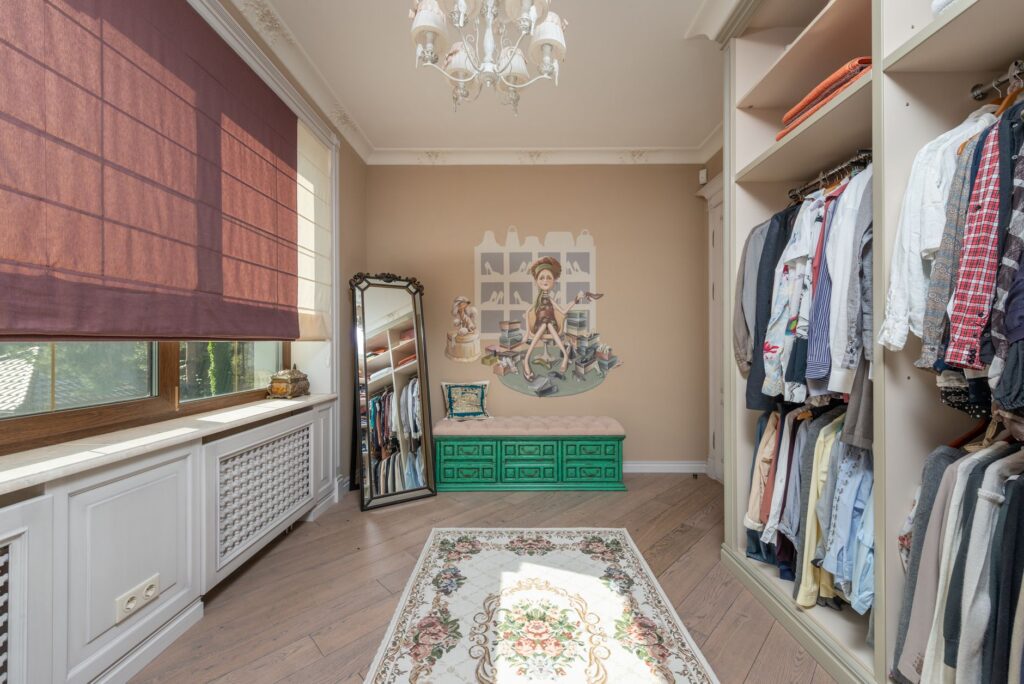
The single biggest upgrade you can make is replacing that lonely top shelf and single rod with an actual closet system. These come in three main categories, and the right choice depends on your budget and how permanent you want the solution to be.
Wire closet systems are your budget-friendly option at $50-150 for a small closet. They’re lightweight, easy to install, and perfect for renters since you can take them with you. Theventilated design prevents musty smells, though wire shelves can leave marks on folded sweaters.
Laminate systems run $150-400 and offer a more finished look with solid shelving that’s gentler on clothes. These modular units typically come in white or wood finishes and can be configured with double hang rods to maximize vertical space.
For a true splurge at $400-1,000+, custom closet systems give you perfectly fitted solutions with features like pull-out jewelry trays, built-in hampers, and adjustable shelving that moves as your wardrobe changes. If you’re planning to stay put for several years, the investment pays off in daily convenience.
Maximize Vertical Space With Strategic Storage
Small closets demand that you think upward. Most closets have at least 8 feet of height, but many people only use the first 5-6 feet effectively.
Double hang rods are essential if you have a lot of shirts, pants, and skirts. By stacking two rods vertically, you can fit twice as many hanging items in the same footprint. Position the top rod around 80 inches high and the bottom around 40 inches to accommodate most garments.
The space above your top rod shouldn’t go to waste. Add a second shelf 12-16 inches above the existing one for out-of-season items, extra linens, or storage bins. Stackable shelf organizers can help you create even more layers without installing anything permanent.
Don’t forget the floor-to-ceiling opportunity on the sides or back wall. Narrow tower units with shelves or cubbies (6-12 inches deep) can hold shoes, bags, or folded items without eating up valuable hanging space.
Choose Space-Saving Hangers and Accessories
Hangers might seem like a minor detail, but they make a massive difference in a tight space. Those bulky plastic hangers from the dry cleaner can waste 30-40% of your rod space.
Slim velvet hangers (typically $20-30 for a 50-pack) are about half the thickness of standard hangers, and the textured surface keeps clothes from slipping off. They’re strong enough for coats and gentle enough for delicate fabrics.
Multi-tier hangers work well for pants, skirts, or scarves, letting you hang 4-5 items in the space of one. Cascading hooks are another clever option that let you link hangers vertically, which is great for grouping outfits or storing items you don’t wear daily.
For accessories, over-the-door organizers and hooks are lifesavers. An over-the-door shoe rack ($15-40) instantly creates storage for 12-24 pairs without touching your floor or shelf space. Hook racks on the inside of the door can hold bags, belts, or jewelry organizers.
Make Every Inch Count With Smart Dividers
Shelves and drawers quickly become chaotic without dividers. Shelf dividers keep stacks of sweaters from toppling into each other, while drawer organizers ($10-30 per set) give smaller items like socks, underwear, and accessories defined homes.
Clear acrylic bins and boxes help you see what’s inside at a glance, and they stack neatly to take advantage of vertical shelf space. Use them for seasonal items, workout gear, or accessories you don’t reach for daily. Uniform containers always look better and function more efficiently than a mix of random boxes.
If your closet has a single shelf that’s very deep, pull-out baskets or bins on wheels make it easy to access items at the back without unpacking everything in front.
Organizing a small closet isn’t about fitting more stuff into less space—it’s about making the space you have work harder. With a thoughtful system, better hangers, and strategic use of vertical space, your closet can become a place where you actually enjoy getting dressed each morning instead of a daily source of frustration. Take measurements, choose organizers that fit your specific wardrobe needs, and you’ll be amazed at how much more functional even the tiniest closet can become.
Shopping for a dresser for your child’s room feels different than buying one for yourself. You’re not just thinking about today—you’re wondering if it’ll survive the toddler years, hold up through elementary school, and maybe even make it to the teenage bedroom. The good news? With the right approach, you can find a dresser that […]
You’ve found the perfect bed frame, but now your old dresser looks completely out of place. Or maybe you’re starting fresh and wondering whether you need to buy a matching bedroom set. The truth is, coordinating your dresser and bed frame isn’t about finding exact matches—it’s about creating visual harmony through smart choices about style, […]
Adding a dresser to your walk-in closet can transform it from a simple hanging space into a fully functional dressing room. But unlike choosing a dresser for your bedroom, closet dressers have different requirements—they need to fit within existing dimensions, complement built-in systems, and maximize storage without creating obstacles. Whether you’re designing a new closet […]