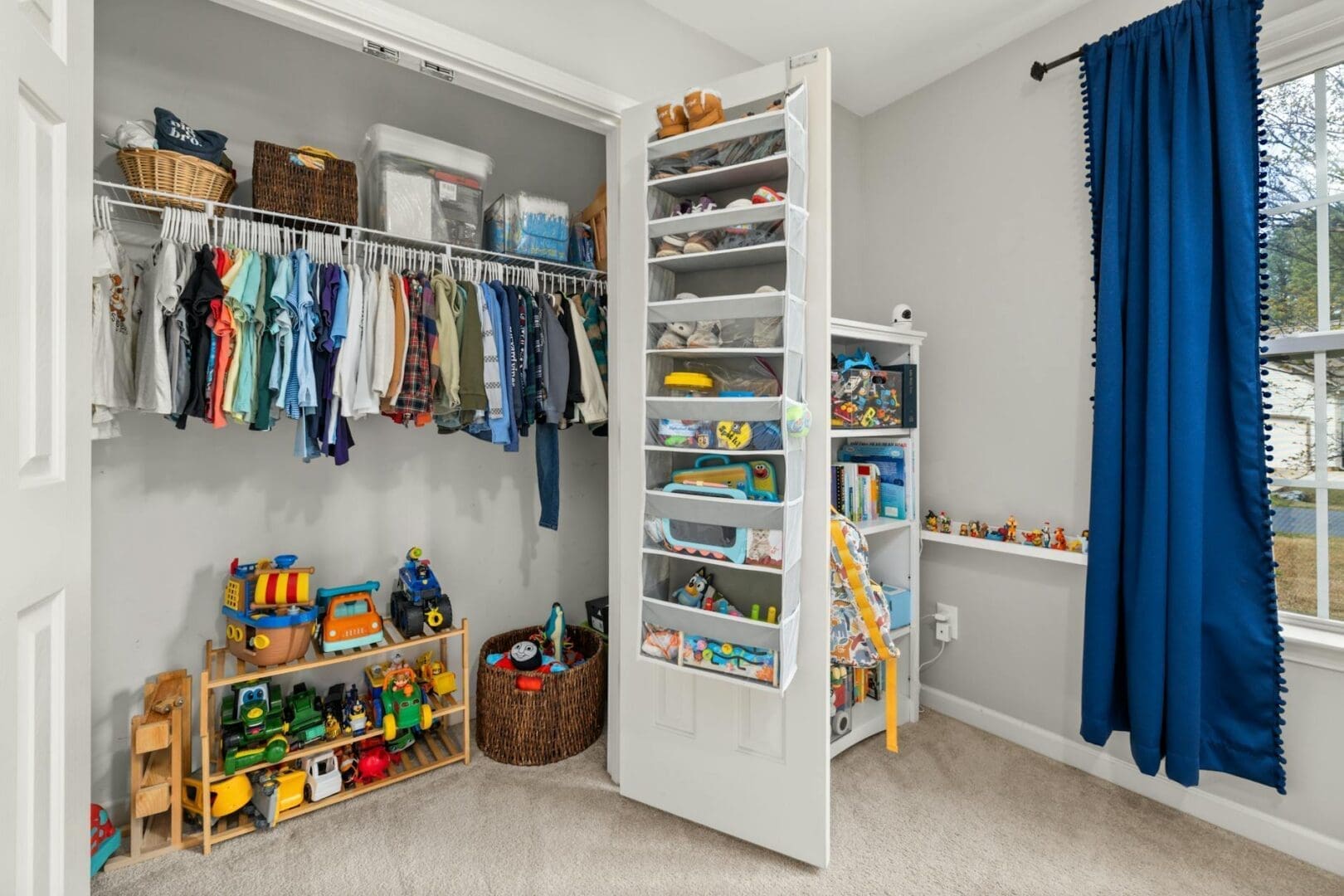
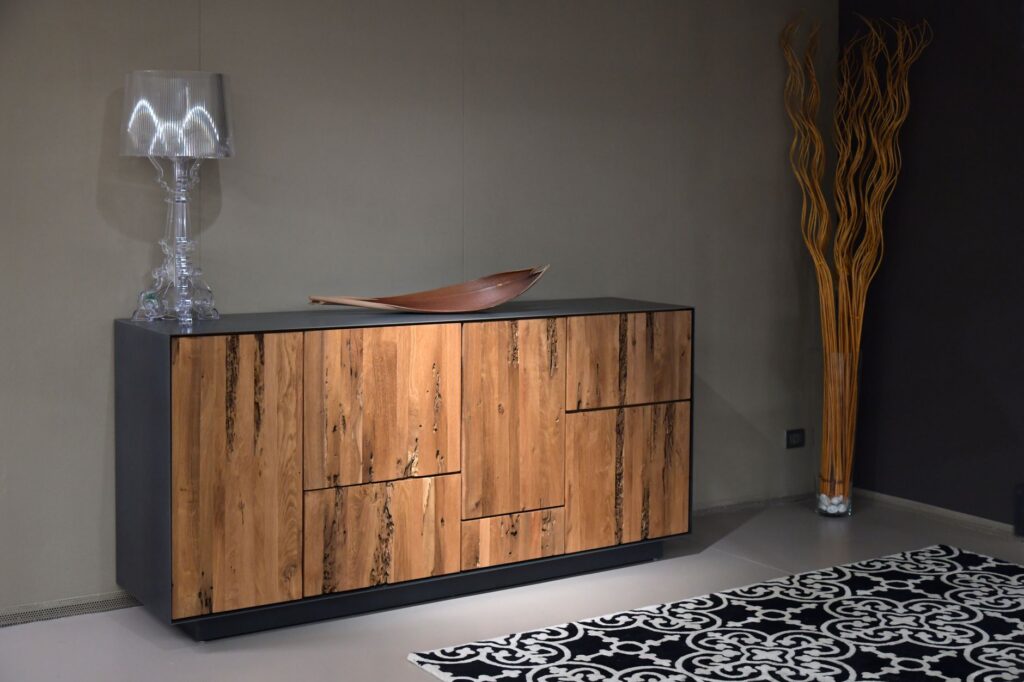
Let’s be honest—clutter doesn’t happen all at once, and it won’t disappear overnight either. The key to getting your home organized is approaching it strategically, one room at a time. Each space in your home has different storage needs, traffic patterns, and pain points. What works for your bedroom won’t necessarily solve the chaos in your entryway. Here’s how to tackle organization room by room, focusing on the furniture and storage solutions that actually make a difference.
Living Room: Create Zones That Hide the Mess
Your living room probably serves multiple purposes—entertainment center, reading nook, maybe even a workspace. The organizing challenge here is keeping everyday items accessible without letting them take over your coffee table.
Start with a media console that offers closed storage for remotes, chargers, and gaming equipment. Look for pieces with at least two cabinets or drawers—open shelving alone just becomes another clutter magnet. Coffee tables with lift-tops or lower shelves give you spots for magazines, coasters, and throws without sacrificing surface space.
Bookcases and display shelving work best when you follow the one-third rule: leave about one-third of the space empty or styled with just a few decorative objects. This gives you room to actually use the shelves for books and baskets. Speaking of baskets, invest in 3-4 attractive woven or fabric bins (budget options start around $15-25 each) to corral toys, blankets, or whatever tends to migrate into this room.
Kitchen: Maximize Vertical Space and Hidden Corners
Kitchen organization isn’t just about what fits in your cabinets—it’s about making a freestanding furniture work harder for you. A kitchen island or cart with built-in storage can add 4-6 extra drawers or shelves right where you need them most. Look for ones with towel bars, spice racks, or wine storage built in (budget carts start around $150; solid wood options run $400-800).
If you’re short on cabinet space, a pantry cabinet or hutch becomes essential. Freestanding pantries typically range from 24-36 inches wide and add significant storage without renovation. The sweet spot is around 30 inches wide with adjustable shelves—this gives you flexibility for everything from cereal boxes to small appliances.
Don’t overlook a baker’s rack if you have the wall space. These often-underrated pieces give you 4-5 tiers of open storage, perfect for cookbooks, serving dishes, or even a coffee station. The open design keeps things visible, which actually helps you maintain organization.
Bedroom: Furniture That Doubles as Storage
Your bedroom organization starts with one big decision: your bed frame. Platform beds with built-in drawers add 2-4 drawers’ worth of storage underneath—that’s enough space for off-season clothing, extra bedding, or shoes. Expect to pay $400-600 for decent quality in a queen size, or $800-1,200 for solid wood construction.
Nightstands with drawers (not just open shelves) keep personal items contained but accessible. Each drawer should have a purpose—charging cables in one, reading glasses and books in another. If you’re tight on space, wall-mounted nightstands or narrow tower-style tables (as slim as 10 inches deep) provide storage without eating up floor space.
The often-neglected hero of bedroom organization is a proper dresser. A standard 6-drawer dresser handles everyday clothing, but if you have the room, an 8-drawer dresser or adding a coordinating chest gives you enough space to actually organize by category instead of stuffing things wherever they fit.
Entryway and Mudroom: Contain the Chaos at the Door
This is where clutter enters your home, so your organizing furniture needs to work immediately. An entryway bench with cubbies or baskets underneath (one per family member) creates automatic homes for shoes, bags, and daily accessories. Look for benches that are 16-18 inches deep—any shallower and they’re not comfortable to sit on while putting on shoes.
Hall trees or coat racks with built-in storage benches combine multiple functions in 24 inches of floor space. The best ones include upper hooks for daily-use coats, a middle mirror, and lower bench storage. These range from $150 for basic models to $400-500 for solid wood pieces that can handle heavy winter coats.
Console tables in entryways work best when they’re narrow (12-15 inches deep) and include at least one drawer for keys, mail, and sunglasses. Add matching baskets on a lower shelf for hats, gloves, or pet-walking supplies.
The right organizing furniture transforms how your home functions. Start with the room that bothers you most—the one where you’re constantly moving piles around or can’t find what you need. Add one or two pieces of hardworking storage furniture, give everything a designated spot, and you’ll feel the difference immediately. Your home doesn’t need to be perfect; it just needs to work for how you actually live.
You need more storage in your living room, but a bulky bookcase feels too heavy and floating shelves aren’t cutting it. A credenza might be exactly what you’re looking for—it’s that low-profile cabinet that gives you tons of hidden storage while creating a beautiful surface for lamps, plants, and the things you actually want to […]
If you’ve been hitting snooze repeatedly or dragging yourself out of bed feeling groggy, you’re not alone. Waking up to a jarring alarm in a dark room works against your body’s natural rhythms, especially during winter months. A sunrise alarm clock mimics natural dawn, gradually filling your room with light to ease you awake. But […]
Waking up at 3 a.m. with a sweaty neck and flipping your pillow to the cool side for the fourth time isn’t just annoying—it’s robbing you of quality sleep. If you’re a hot sleeper, your pillow might be trapping heat against your head and neck all night long. The good news? The right cooling pillow […]