Working from a spare bedroom corner or repurposed closet? You’re not alone. Many of us are trying to carve out productive workspaces in homes that weren’t designed with a dedicated office in mind. The good news: you don’t need a sprawling room to create an organized, functional workspace. With the right furniture choices and smart organization strategies, even the tightest quarters can become an efficiency powerhouse.
Choose Furniture That Works Harder
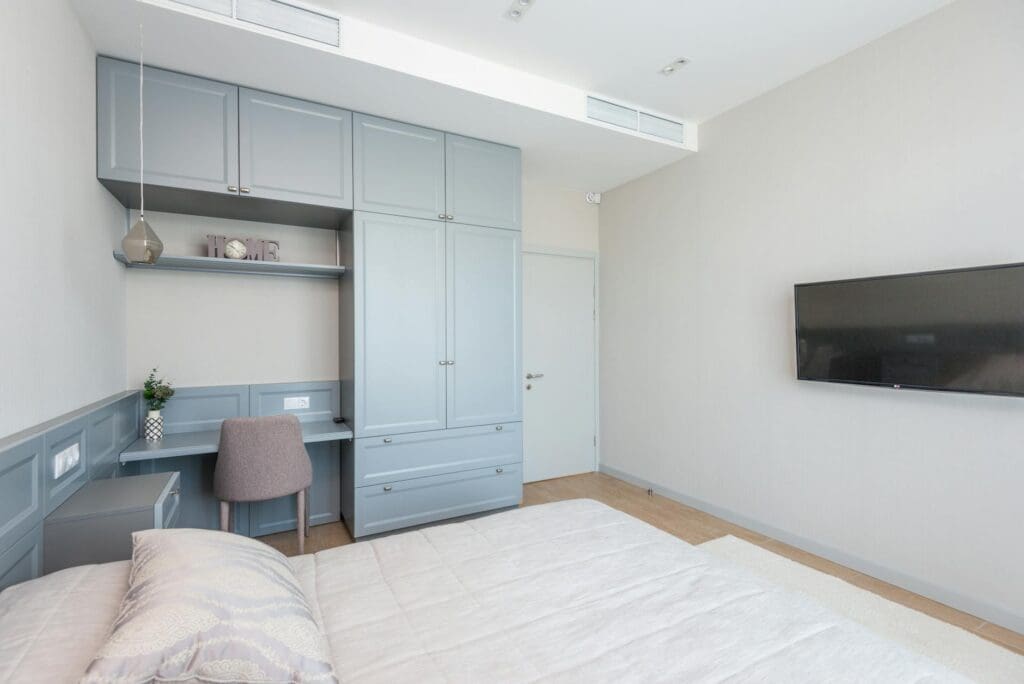
In a small home office, every piece of furniture needs to earn its place. Skip the bulky executive desk and look for compact writing desks or wall-mounted drop-leaf desks that fold up when not in use. A desk with built-in drawers or shelving eliminates the need for separate storage pieces—look for models with at least two drawers to handle files, supplies, and paperwork.
Floating desks or corner desks maximize awkward spaces that might otherwise go unused. Corner L-shaped desks, in particular, give you ample work surface while fitting snugly into spaces that can’t accommodate traditional rectangular desks. Expect to spend $150-$300 for budget-friendly options, $300-$600 for solid mid-range pieces with better materials, and $600+ for high-quality hardwood or designer compact desks.
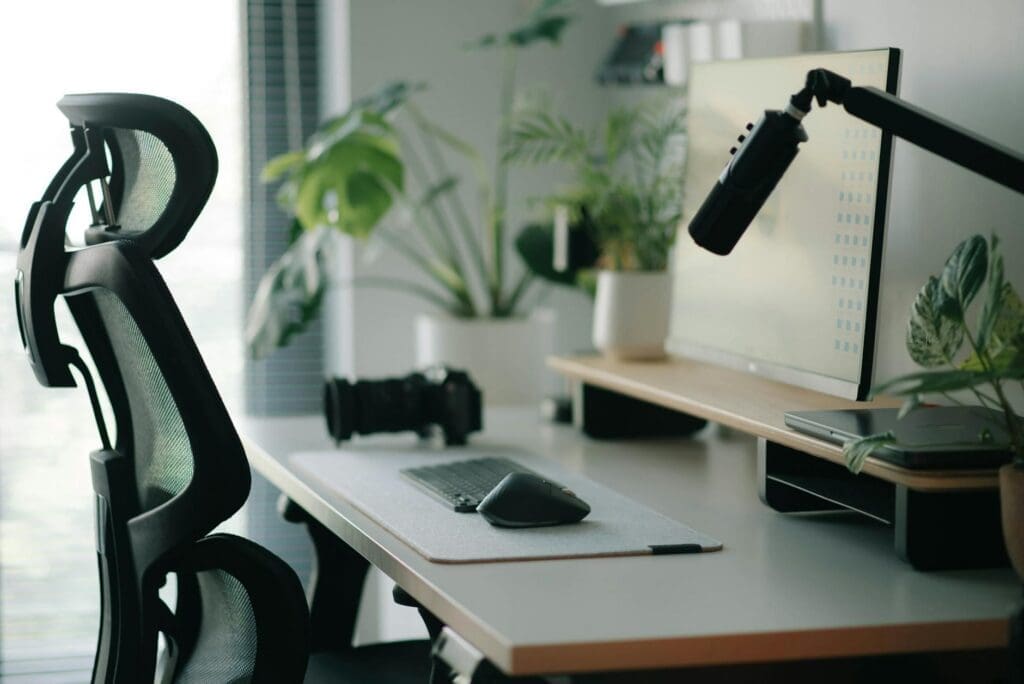
Don’t overlook your chair—an uncomfortable seat will derail productivity fast. Look for task chairs with adjustable height and lumbar support. Many come in slim profiles specifically designed for tight spaces, typically 24-26 inches wide versus the 28-30 inches of standard office chairs.
Think Vertical for Storage
When floor space is precious, your walls become your best friend. Tall, narrow bookcases (12 inches deep or less) provide substantial storage without eating up room. Wall-mounted shelving systems let you customize the configuration as your needs change.
Install floating shelves above your desk to keep frequently-used items within arm’s reach. A small shelf at eye level is perfect for your most-accessed reference materials, while higher shelves can store occasional-use items. Budget shelving runs $20-$50 per shelf, while custom or designer floating shelves range from $75-$200 each.
Pegboards aren’t just for garages anymore—modern pegboard systems come in attractive finishes and let you hang everything from file folders to small bins to desk accessories. They’re incredibly space-efficient and endlessly reconfigurable. Wall-mounted file holders and magazine racks keep papers organized without requiring a filing cabinet.
Smart Organization Systems Make the Difference
The right organizational tools transform cluttered surfaces into streamlined workspaces. Desktop organizers with vertical slots and compartments corral pens, notepads, and charging cables. Look for tiered designs that build upward rather than outward.
Drawer dividers and small bins prevent the “junk drawer” effect from taking over your limited drawer space. When everything has a designated spot, you can fit more into less space. Under-desk rolling carts or filing cabinets provide hidden storage that tucks away when not needed—just make sure to measure your knee clearance first (you’ll want at least 24 inches).
Cable management might sound boring, but tangled cords create visual chaos that makes small spaces feel even more cramped. Cable clips, sleeves, or under-desk trays keep technology cords contained and out of sight. This simple fix often makes the biggest visual impact in a compact office.
Multipurpose Pieces and Creative Solutions
Think beyond traditional office furniture. A narrow console table can serve as a desk in a pinch. A small dresser provides storage while doubling as a printer stand or credenza. Ottoman storage cubes offer seating for guests plus hidden space for supplies.
If your “office” is really just a corner of another room, consider furniture that helps define the space. A bookcase positioned perpendicular to the wall creates a room divider that separates your work zone while providing storage. A folding screen offers a similar boundary when you need visual separation from your living space.
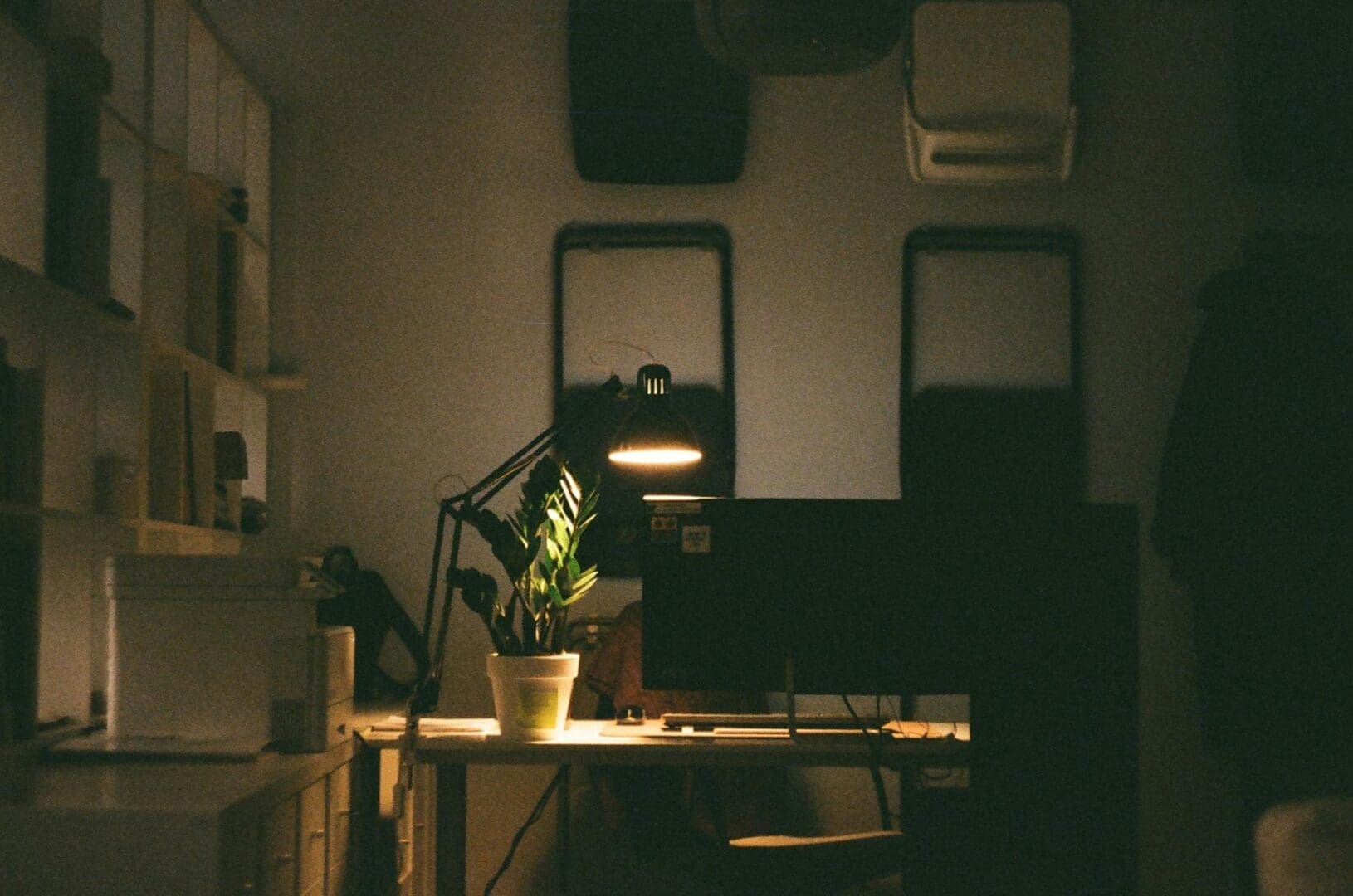
Lighting matters more than you might think in tight quarters. A well-placed desk lamp eliminates shadows without requiring floor space. Wall-mounted swing-arm lamps offer adjustable task lighting while keeping your desk surface clear.
Creating an organized small home office comes down to being selective about what enters your space and maximizing every square inch you have. Measure twice before buying anything, prioritize pieces that offer built-in storage, and use your walls strategically. With thoughtful furniture selections and smart organization systems, your compact workspace can feel just as productive—and a lot less stressful—than offices twice its size. The key is starting with the right pieces that match your actual available space, not the office you wish you had.
Your home office deserves better than a jumble of mismatched shelves and that filing cabinet you’ve been meaning to replace. A storage wall unit can transform your workspace from chaotic to composed, giving you dedicated spots for books, supplies, tech equipment, and all those things that currently live in piles. The trick is finding one […]
Your back is telling you it’s time. After months of working from home in a dining chair or that hand-me-down seat from college, you’re ready to invest in a proper office chair. The good news? You don’t need to spend $800 on a Herman Miller to get real ergonomic support. The under-$300 market is packed […]
If you’re spending hours at your desk every day, your office chair matters more than you might think. The two most popular materials—mesh and leather—each have devoted fans, but they deliver very different sitting experiences. Let’s break down what actually matters so you can choose the one that fits your workday, your space, and your […]