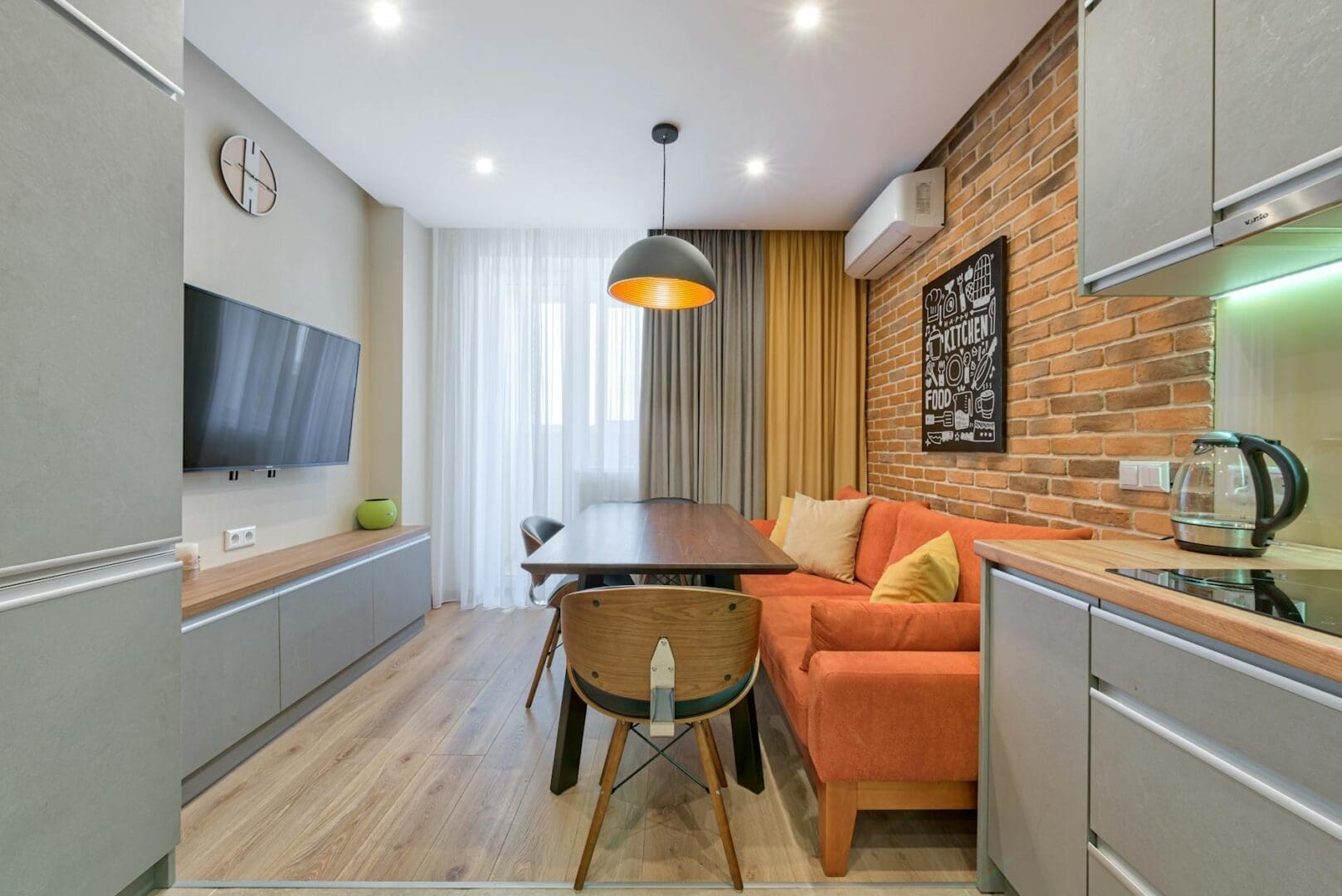
Living in a smaller space doesn’t mean sacrificing style or comfort. If your living room feels more cramped than cozy, you’re probably wondering how to create the illusion of more space without knocking down walls. The good news? The right furniture choices and a few strategic design moves can completely transform how spacious your living room feels.
Choose the Right Scale and Proportion
The biggest mistake in small living rooms is furniture that’s too large or too much of it. A massive sectional might seem comfortable, but if it dominates the entire room, it’ll make the space feel claustrophobic.
Look for apartment-scale or compact furniture designed specifically for smaller spaces. A sofa in the 72-78 inch range often works better than a standard 84-inch model. Consider armless chairs or settees that take up less visual weight. Furniture with exposed legs creates breathing room underneath, making the floor visible and the room feel more open—think mid-century modern pieces or sofas with tapered legs rather than skirted bases.
Skip the oversized coffee table. An oval or round coffee table in glass or lucite keeps sightlines open while providing surface space. Budget options start around $150, while a quality glass-top table runs $300-600. If you’re really tight on space, consider nesting tables you can tuck away when not needed.
Use Light Colors and Reflective Surfaces
Dark, heavy fabrics absorb light and make walls feel like they’re closing in. Light-colored upholstery in cream, soft gray, or pale blue reflects more light and visually expands your space. This doesn’t mean everything needs to be white—just aim for a lighter overall palette.
Mirrors are your best friend in a small living room. A large mirror opposite a window bounces natural light around the room and creates the illusion of depth. A statement mirror can run anywhere from $100 for a basic frame to $500+ for something with architectural detail. Even a collection of smaller mirrors arranged on one wall can have the same effect.
Glass and acrylic furniture practically disappears while still being functional. A ghost chair or lucite coffee table provides seating and surface area without blocking sightlines. These pieces typically range from $150-400 and make a noticeable difference in how open your room feels.
Think Vertical and Multi-Functional
When floor space is limited, look up. Tall bookcases and vertical storage draw the eye upward and create the impression of higher ceilings. Wall-mounted shelving keeps the floor clear and provides display space without eating up precious square footage.
Multi-functional furniture is essential in small spaces. An ottoman with hidden storage serves as a coffee table, extra seating, and a place to stash throws and remotes. Storage ottomans range from $80 for basic cubes to $400 for upholstered pieces with quality construction. A sofa bed or sleeper chair means you can host guests without dedicating space to a guest room.
Consider furniture that can be easily moved or tucked away. Lightweight accent chairs can be pulled in for conversation or pushed against a wall. Nesting side tables provide flexibility—use one or two as needed, then stack them to reclaim floor space.
Create Clear Pathways and Zones
Even in a small room, you need clear walking paths. Aim for at least 18 inches of clearance between furniture pieces and 30-36 inches for main walkways. Pushing all your furniture against the walls might seem like it creates more space, but it often makes the room feel disconnected and awkward.
Instead, float your sofa a few inches from the wall to create depth. Use a narrow console table behind the sofa for drinks and decor—it defines the space without blocking flow. Area rugs help define zones within your living room. A rug that fits under at least the front legs of your furniture pulls everything together and makes the seating area feel intentional rather than cramped.
Small living rooms can absolutely feel spacious and inviting with thoughtful furniture selection and placement. Focus on pieces that fit your actual space, embrace light and reflection, maximize vertical storage, and keep traffic flow in mind. The key is being selective about what you bring into the room—every piece should earn its place by being both beautiful and functional.
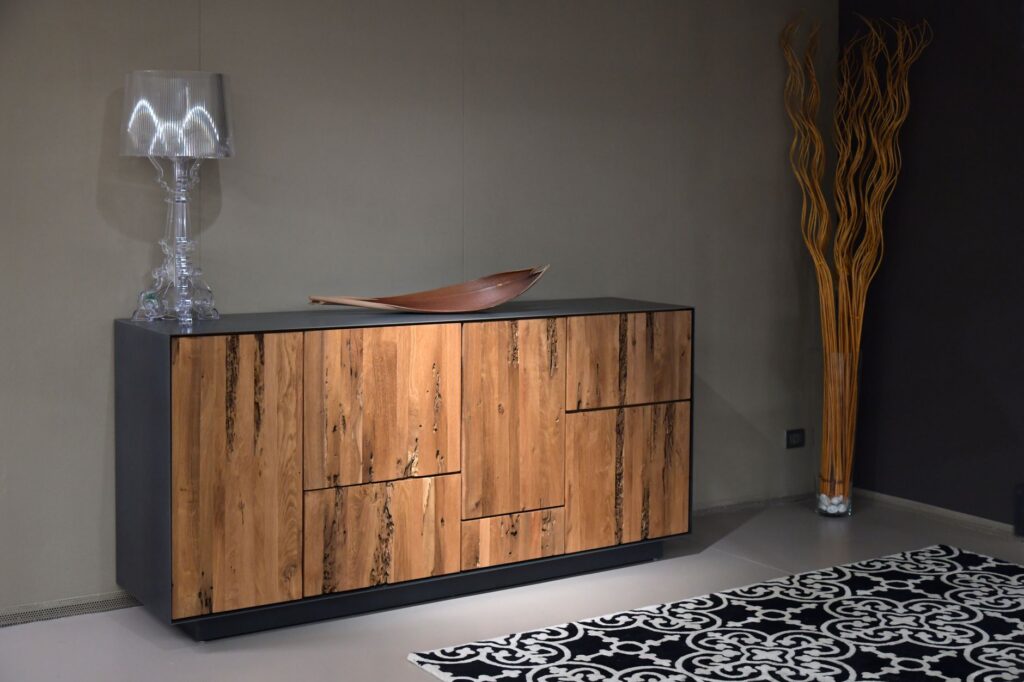
You need more storage in your living room, but a bulky bookcase feels too heavy and floating shelves aren’t cutting it. A credenza might be exactly what you’re looking for—it’s that low-profile cabinet that gives you tons of hidden storage while creating a beautiful surface for lamps, plants, and the things you actually want to […]
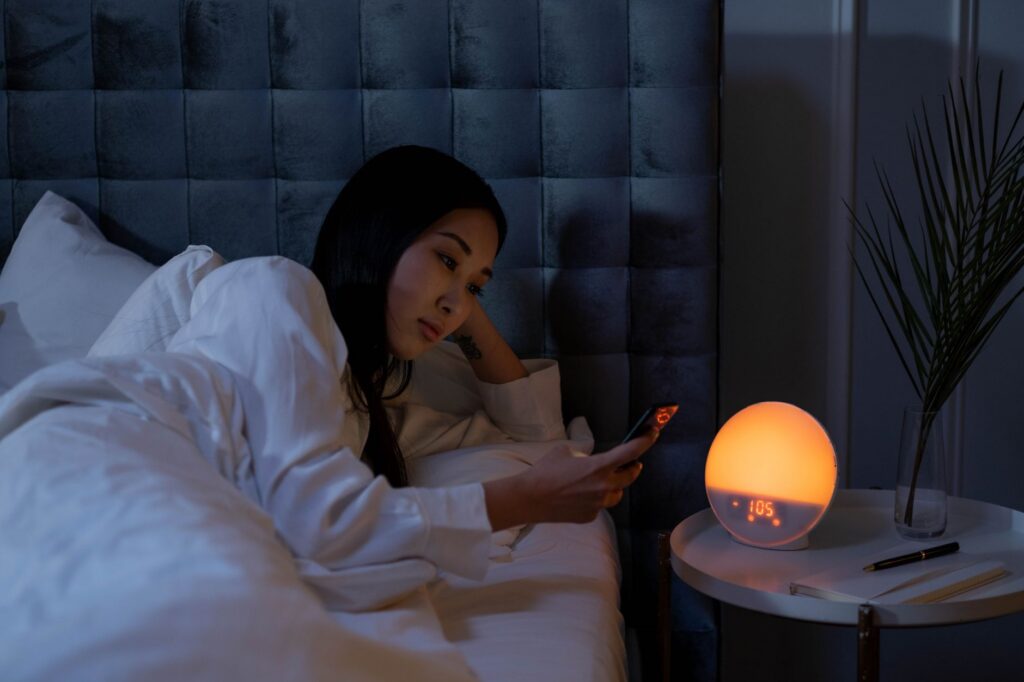
If you’ve been hitting snooze repeatedly or dragging yourself out of bed feeling groggy, you’re not alone. Waking up to a jarring alarm in a dark room works against your body’s natural rhythms, especially during winter months. A sunrise alarm clock mimics natural dawn, gradually filling your room with light to ease you awake. But […]
Waking up at 3 a.m. with a sweaty neck and flipping your pillow to the cool side for the fourth time isn’t just annoying—it’s robbing you of quality sleep. If you’re a hot sleeper, your pillow might be trapping heat against your head and neck all night long. The good news? The right cooling pillow […]