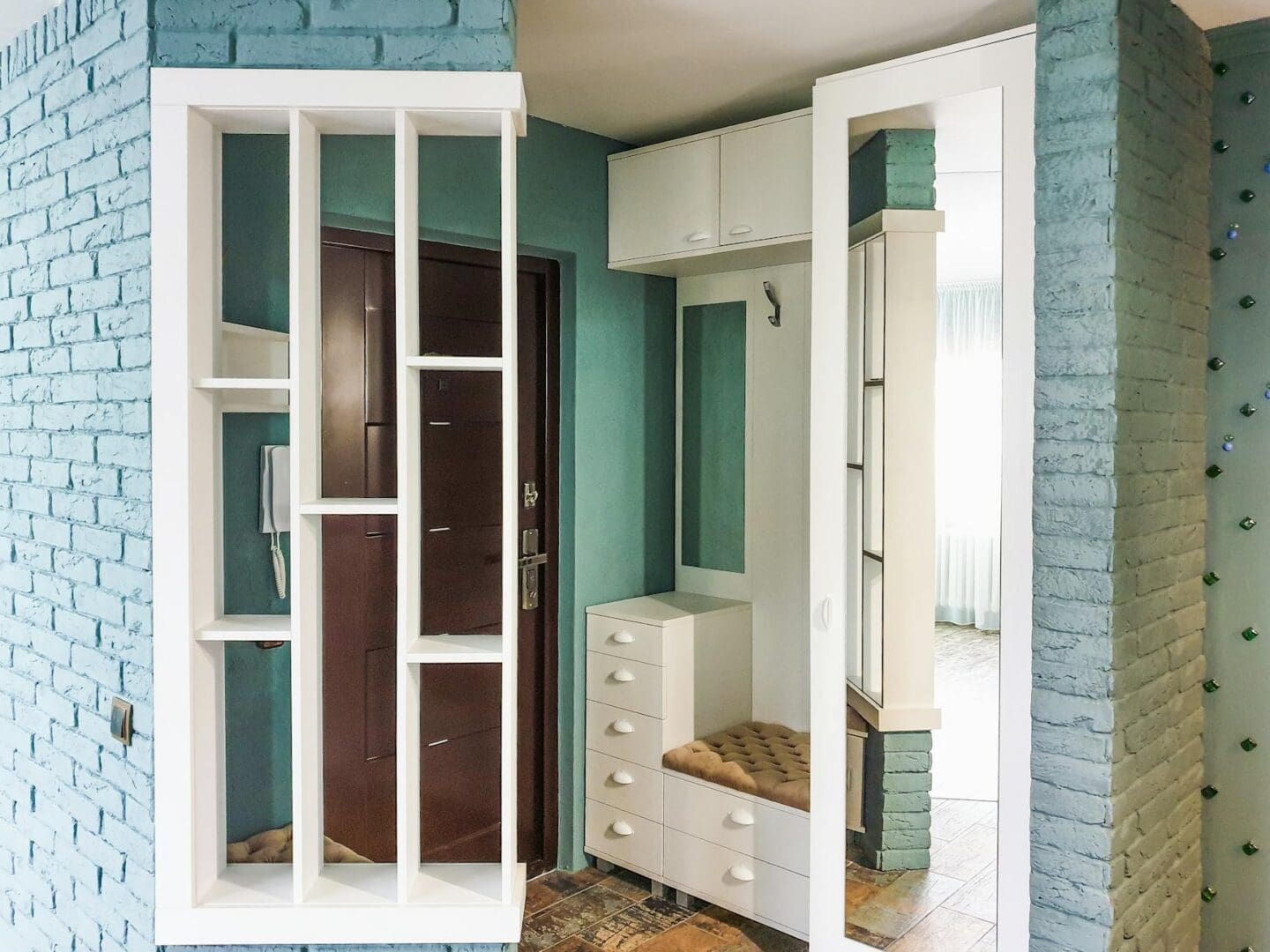
A cramped entryway can make your whole home feel smaller than it actually is. When you’re bumping into shoes, struggling to hang coats, or avoiding eye contact with that awkward blank wall, it’s time to rethink your approach. The good news? A few strategic furniture choices and clever design moves can transform even the tiniest entry into a space that feels open, organized, and genuinely welcoming.
Choose Narrow-Profile Furniture That Doesn’t Block Flow
The biggest mistake people make in small entryways is choosing furniture that’s too deep. A standard console table runs 14-16 inches deep, but in a tight space, that can feel like a roadblock. Look for slim console tables or wall-mounted options that measure 10-12 inches deep instead. You’ll still have a landing spot for keys and mail, but you won’t feel like you’re squeezing past furniture every time you walk through the door.
Skip bulky storage benches and opt for a streamlined bench with open space underneath. This creates visual flow and gives you somewhere to tuck shoes or baskets. If you’re really tight on space, a wall-mounted floating shelf with hooks underneath does the job of a console without any floor footprint at all. Budget-friendly floating shelves start around $40-60, while a quality slim console typically runs $150-300, with designer options reaching $500-800.
Use Mirrors Strategically to Expand Visual Space
There’s a reason designers always put mirrors in entryways, and it’s not just for last-minute appearance checks. A well-placed mirror literally doubles your visual space by reflecting light and creating depth. The key is size and placement. A small 16×20 mirror won’t cut it—go as large as your wall allows, ideally 30 inches wide or bigger.
Hang your mirror opposite a window or light source if possible, so it bounces natural light around the space. If your entryway lacks windows, position the mirror to reflect your living room or another well-lit area. Leaning a large floor mirror against the wall can actually make a space feel bigger than a hung mirror because it draws the eye upward and creates a more casual, less cluttered look. Expect to spend $80-150 for a good-sized wall mirror, while oversized floor mirrors range from $200-600.
Keep Colors Light and Lines Simple
Dark walls can look stunning in a spacious foyer, but in a small entryway, they tend to close in on you. Stick with light, neutral colors—whites, soft grays, warm beiges—to maximize brightness and openness. This doesn’t mean your space has to be boring. You can add personality through artwork, a patterned rug, or colorful accessories while keeping the foundational elements light.
When it comes to furniture, clean lines beat ornate details every time in a small space. A simple console with straight legs and minimal hardware feels lighter than a heavily carved piece, even if they’re the same size. Glass or acrylic furniture practically disappears, which is a smart move when you need function without visual weight. Look for open shelving rather than closed cabinets, and choose wall hooks or a slim coat rack over a bulky hall tree.
Edit Your Accessories and Maximize Vertical Space
A cluttered entryway feels even smaller than it is. Resist the urge to display everything you own on that console table. One statement piece—a great lamp, a simple vase, or a small tray for corralling essentials—beats a crowd of tchotchkes. Store everyday items in attractive baskets or boxes that tuck under your console or bench.
Since floor space is limited, think vertical. Install hooks at varying heights for bags and coats, or add a narrow wall-mounted coat rack that reaches upward instead of outward. A tall, narrow bookshelf (8-10 inches deep) can provide surprising storage without eating up precious square footage. Wall-mounted solutions typically cost $30-100, while quality vertical storage pieces run $100-250.
Making a small entryway feel larger isn’t about knocking down walls or major renovations. It’s about choosing furniture with the right proportions, using mirrors to create depth, keeping your color palette light, and being ruthless about clutter. Measure your space carefully before shopping, prioritize pieces that serve multiple purposes, and remember that sometimes less furniture actually gives you more room to breathe. Your entryway sets the tone for your entire home—make it count.
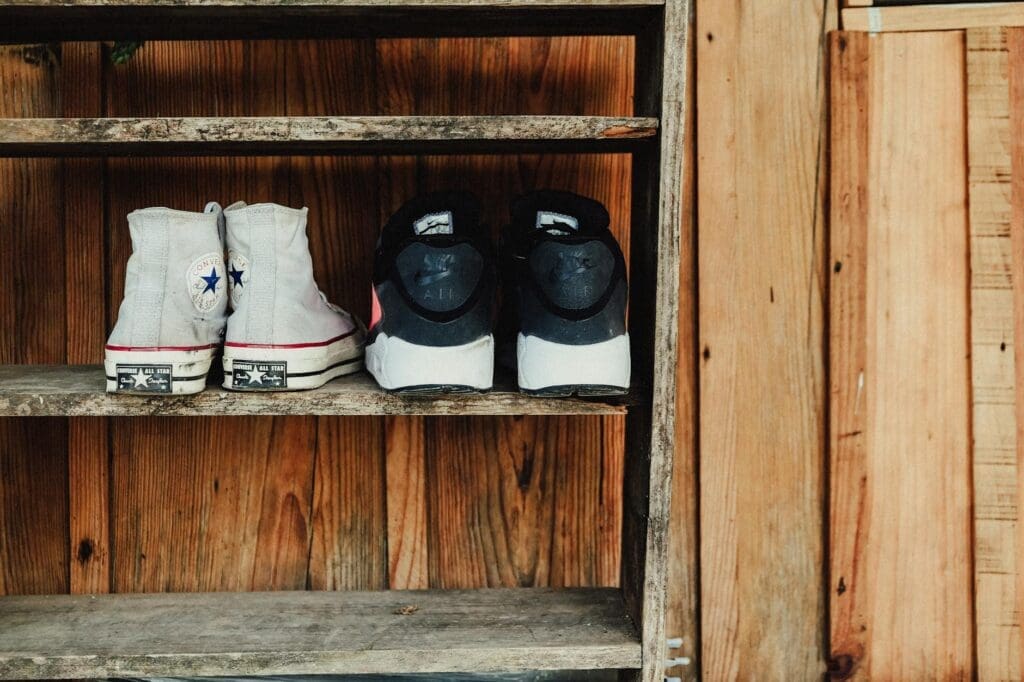
A cramped entryway with shoes scattered everywhere isn’t just frustrating—it’s usually the first thing you and your guests see when walking through the door. The good news? Even the smallest entryway can stay organized with the right shoe rack. The challenge is finding one that actually fits your space without making it feel even more […]
That pile of shoes by the door isn’t going to organize itself, and your coats deserve better than being draped over the nearest chair. A coat rack with built-in shoe storage solves both problems in one piece of furniture, making it perfect for entryways, mudrooms, or even bedroom corners where clutter tends to accumulate. The […]
A cramped entryway doesn’t mean you’re doomed to trip over piles of coats or hunt for misplaced keys every morning. The right coat rack can transform even the tiniest entry into an organized, welcoming space. The challenge is finding one that holds what you need without making your small entryway feel even smaller. Consider Your […]