Let’s be honest—no matter how beautiful your entryway starts out, shoes have a way of taking over. One pair by the door turns into three, then suddenly there’s a jumbled pile that makes you cringe every time you walk in. The good news? An organized shoe area isn’t about having less stuff or being naturally tidy. It’s about having the right storage and a system that actually works for how your household lives.
Choose Storage That Matches Your Space and Shoe Count
The biggest mistake people make is choosing shoe storage based on looks alone, then wondering why it doesn’t contain the chaos. Start by counting how many pairs actually live by your door daily—not your entire collection, just the shoes you and your family grab most often. That number should guide everything.
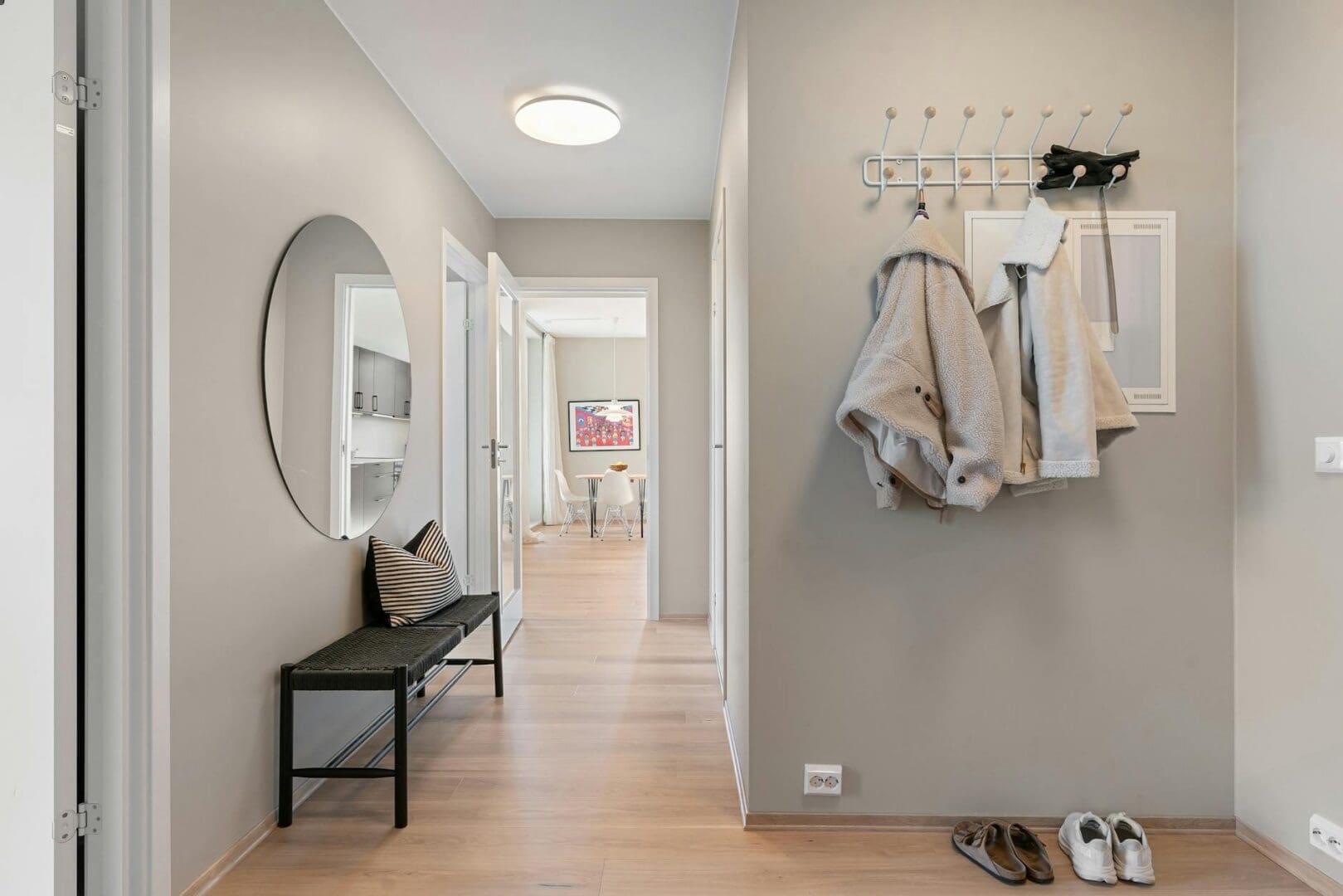
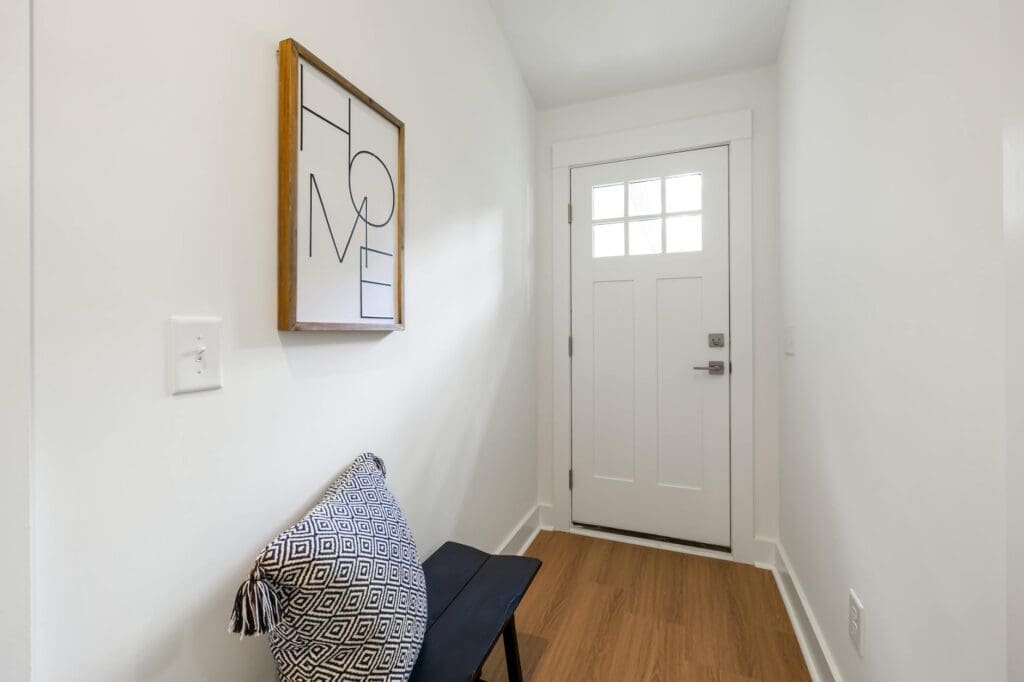
For tight entryways or apartments, a slim shoe cabinet with flip-down drawers keeps 12-20 pairs hidden while taking up minimal floor space. These typically run $80-$200 and work beautifully in narrow hallways. If you’ve got more room, a storage bench does double duty—you get seating for putting shoes on plus cubbies or a lift-top compartment underneath. Expect to spend $150-$400 for something sturdy enough to actually sit on daily.
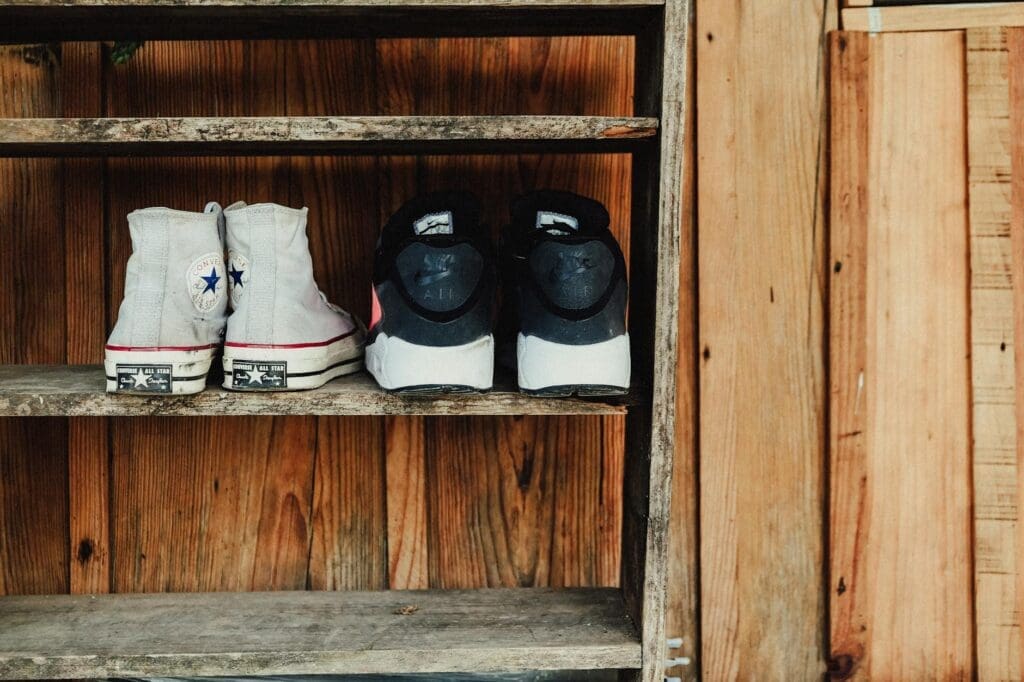
Larger families or mudroom-sized entryways need more capacity. An open cubby system or floor-to-ceiling shoe cabinet can handle 30+ pairs while keeping everything visible and accessible. These range from $200-$600 depending on materials and finish quality. The key is having a designated spot for every single pair that comes through your door regularly.
Add a Landing Zone for “Transition” Shoes
Here’s what actually happens in real life: someone walks in, kicks off their shoes, and leaves them wherever they landed. Fighting this human tendency is exhausting. Instead, work with it by creating a specific transition zone.
A boot tray or low-profile shoe tray ($15-$40) right inside the door gives wet, dirty, or just-removed shoes a temporary home before they get put away properly. Choose one with raised edges to contain water and debris—rubber or metal trays are practically indestructible and can be hosed off when grimy.
Position this tray where people naturally stop when they enter, not where you wish they’d stop. If everyone dumps shoes to the right of the door, put your tray there. You’re not redesigning behavior; you’re containing it. Pair it with a small basket for slip-ons or kids’ shoes that tend to migrate, and you’ve created a functional system that requires almost zero effort to maintain.
Pick Materials That Hide Dirt and Stand Up to Daily Use
Shoe storage lives a rough life. It gets kicked, scuffed, and exposed to whatever weather you track in. Materials matter more here than in almost any other furniture category.
For the storage unit itself, painted or laminated wood is more forgiving than natural wood finishes—scratches and dirt are less visible on darker finishes or textured surfaces. Metal frames with wood or fabric elements are nearly bulletproof and clean up easily. Skip anything with light-colored fabric cubbies unless you’re prepared to wash them monthly.
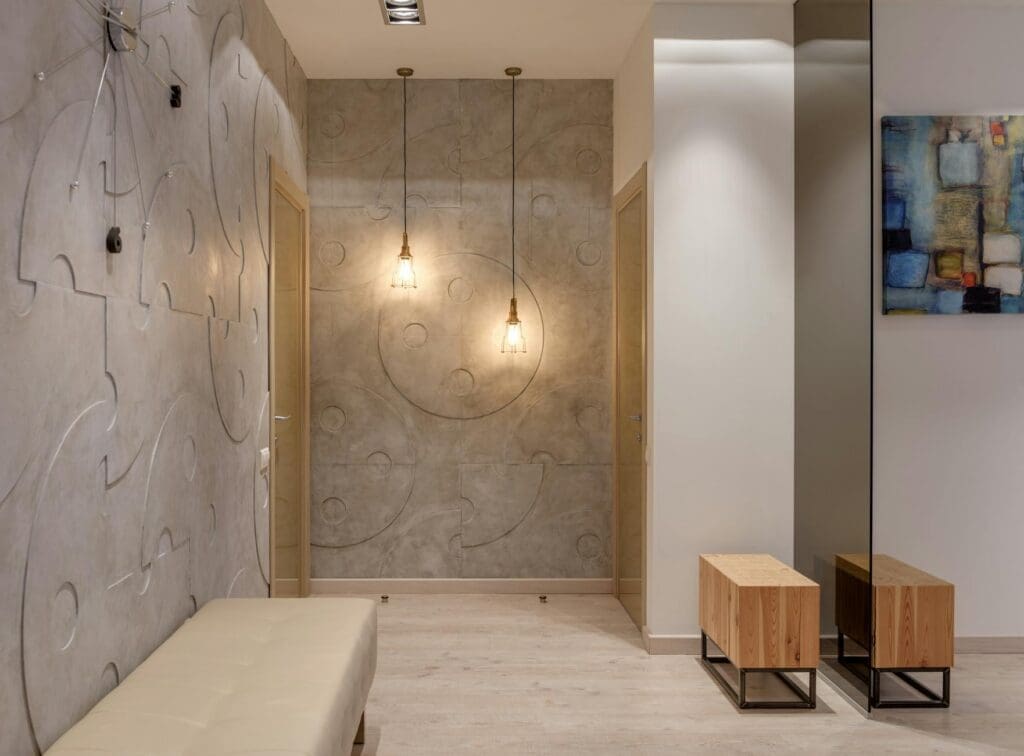
Cushioned bench tops should be vinyl, faux leather, or tightly woven fabric that wipes clean. Real leather sounds luxurious but shows every scuff mark. If you prefer the look of wood benches, choose harder species like oak or walnut that can handle the abuse, and expect the finish to develop character over time.
Make It Easy Enough That Everyone Actually Uses It
The most beautiful shoe storage solution is worthless if it’s too complicated for your household to maintain. Open cubbies beat closed cabinets for families with kids because there’s no door to deal with—shoes just get tossed in. Benches with lift-tops work better for adults who don’t mind the extra step.
If you’re constantly nagging people to put shoes away, your system has too much friction. Lower the bar. Add labels to cubbies. Keep the most-used shoes at eye level or within easy reach. Place your storage where people naturally congregate when coming and going, even if that means rearranging your entryway layout.
You’re creating a habit, and habits need to be almost effortless to stick. Once everyone knows exactly where their everyday shoes belong and can put them away in under five seconds, your messy shoe pile problem usually solves itself.
The right combination of adequate storage, a transition zone for that “I just walked in” moment, and durable materials that don’t require constant maintenance makes all the difference. Choose based on your actual needs and daily patterns rather than Pinterest-perfect ideals, and you’ll finally have an entryway that stays reasonably tidy without constant intervention.
A cramped entryway with shoes scattered everywhere isn’t just frustrating—it’s usually the first thing you and your guests see when walking through the door. The good news? Even the smallest entryway can stay organized with the right shoe rack. The challenge is finding one that actually fits your space without making it feel even more […]
Your entryway deserves better than a pile of shoes and jackets on the floor, but quality entryway benches can easily run $300 to $800 or more. The good news? Building your own bench is more approachable than you might think, and you can create something functional and stylish for a fraction of the retail price. […]
If you’re tired of tripping over shoes the moment you walk through the door, a shoe bench with storage might be exactly what your entryway needs. These hardworking pieces combine seating with hidden or open storage, giving you a comfortable spot to put on shoes while keeping them organized and out of sight. But with […]