Your entryway works harder than almost any other space in your home. It’s where shoes pile up, keys disappear, coats overflow, and everyone rushes through twice a day. Whether you’re working with a spacious foyer or a narrow hallway, designing a truly functional entryway means thinking beyond pretty decor and focusing on the daily chaos this space needs to manage.
Start With What You Actually Need to Store
Before you buy a single piece of furniture, take inventory of what comes through your door daily. Most households need spots for shoes, outerwear, bags, keys, and mail. If you have kids, multiply that by the number of backpacks, sports equipment, and lunchboxes flowing in and out.
A console table with drawers handles keys, sunglasses, and small items that would otherwise clutter countertops throughout your home. Look for tables between 28-32 inches tall and at least 12 inches deep. Budget options start around $150, while solid wood pieces with quality drawer slides run $400-800. The investment pays off when you’re not searching for your wallet every morning.
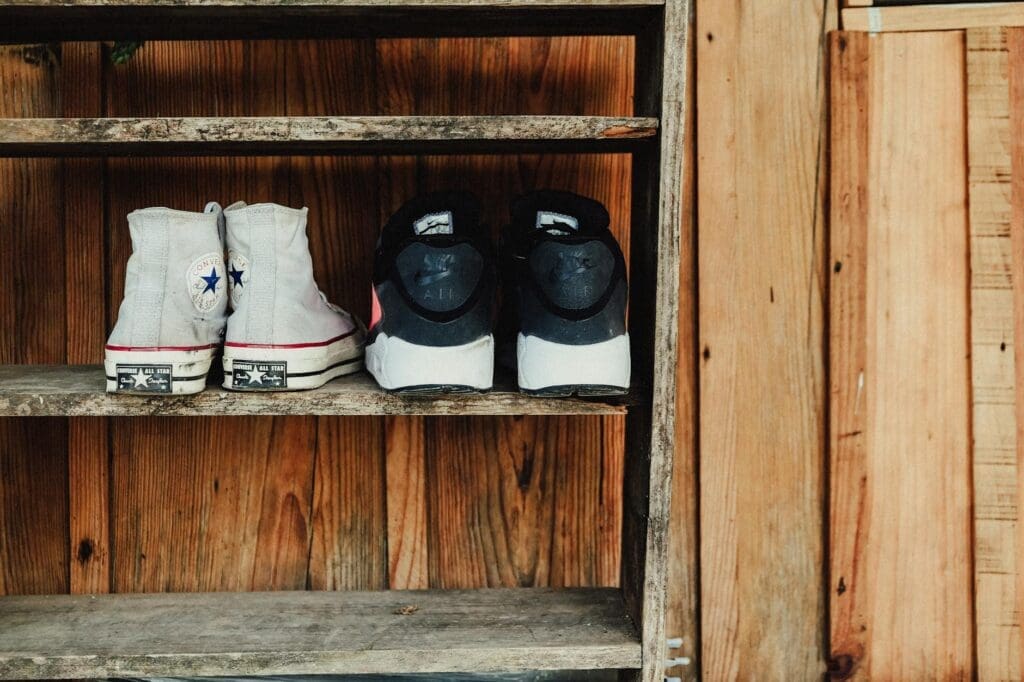
For shoes, enclosed storage keeps the visual clutter at bay. Shoe cabinets with tilting bins fit 12-24 pairs in about two feet of floor space, while storage benches serve double duty. Open cubbies work if you’re diligent about tidying, but most busy households benefit from doors that hide the mess.
Give People Somewhere to Sit
Putting on shoes while hopping on one foot isn’t functional—it’s a recipe for knocking over your carefully styled decor. A bench or pair of stools makes your entryway dramatically more usable, especially for families with young kids or anyone with mobility concerns.
Entryway benches typically range from 36-60 inches wide. A 42-inch bench comfortably seats one adult or two children and fits in most spaces. Look for seat heights between 17-19 inches—the same as dining chairs—for comfortable shoe-wrangling. Benches with lift-top storage ($200-500) maximize smaller entryways by hiding hats, pet supplies, or seasonal items you need handy but not visible.
If floor space is tight, consider a wall-mounted floating shelf with hooks underneath, paired with a compact ottoman or pouf you can tuck away when not needed.
Make Vertical Space Work Harder
Wall space is your secret weapon in entryway design. A simple coat rack prevents the dining chair pile-up that happens when there’s nowhere to hang jackets. Wall-mounted options with 4-6 hooks run $40-150 and take up zero floor space.
Hall trees combine hooks, a bench, and often a shelf in one vertical unit, ideal for entryways 3-4 feet wide. These range from $200 for basic metal frames to $600+ for substantial wood pieces. The footprint is small—usually 24-30 inches wide—but the storage capacity rivals multiple separate pieces.
Floating shelves above your console create homes for bags, baskets of mittens, or decorative items that make the space feel intentional rather than purely utilitarian. Install them 12-18 inches above your console table for proper visual proportion.
Consider Traffic Flow and Clearances
Furniture arranged beautifully but blocking natural movement patterns isn’t functional. Your main walkway should maintain at least 36 inches of clearance—wider if multiple people regularly arrive home simultaneously.
In narrow entryways (less than 5 feet wide), stick with shallow console tables under 14 inches deep, or skip the console entirely in favor of wall-mounted solutions. A slim hall tree against one wall keeps the opposite side completely clear.
For larger foyers, you can create zones: a dropoff spot immediately inside the door for daily essentials, and a more decorative moment with a mirror and console table further in. This prevents bottlenecks when someone’s digging for keys while another person’s coming through with groceries.
The right entryway setup should make coming home easier, not add another thing to navigate around. Choose pieces based on your household’s actual habits—the muddy soccer cleats, the perpetual Amazon packages, the dog leashes. When your entryway handles real life gracefully, you’ll wonder how you ever functioned without these smart, hardworking pieces in place.
A cramped entryway with shoes scattered everywhere isn’t just frustrating—it’s usually the first thing you and your guests see when walking through the door. The good news? Even the smallest entryway can stay organized with the right shoe rack. The challenge is finding one that actually fits your space without making it feel even more […]
That pile of shoes by the door isn’t going to organize itself, and your coats deserve better than being draped over the nearest chair. A coat rack with built-in shoe storage solves both problems in one piece of furniture, making it perfect for entryways, mudrooms, or even bedroom corners where clutter tends to accumulate. The […]
A cramped entryway doesn’t mean you’re doomed to trip over piles of coats or hunt for misplaced keys every morning. The right coat rack can transform even the tiniest entry into an organized, welcoming space. The challenge is finding one that holds what you need without making your small entryway feel even smaller. Consider Your […]