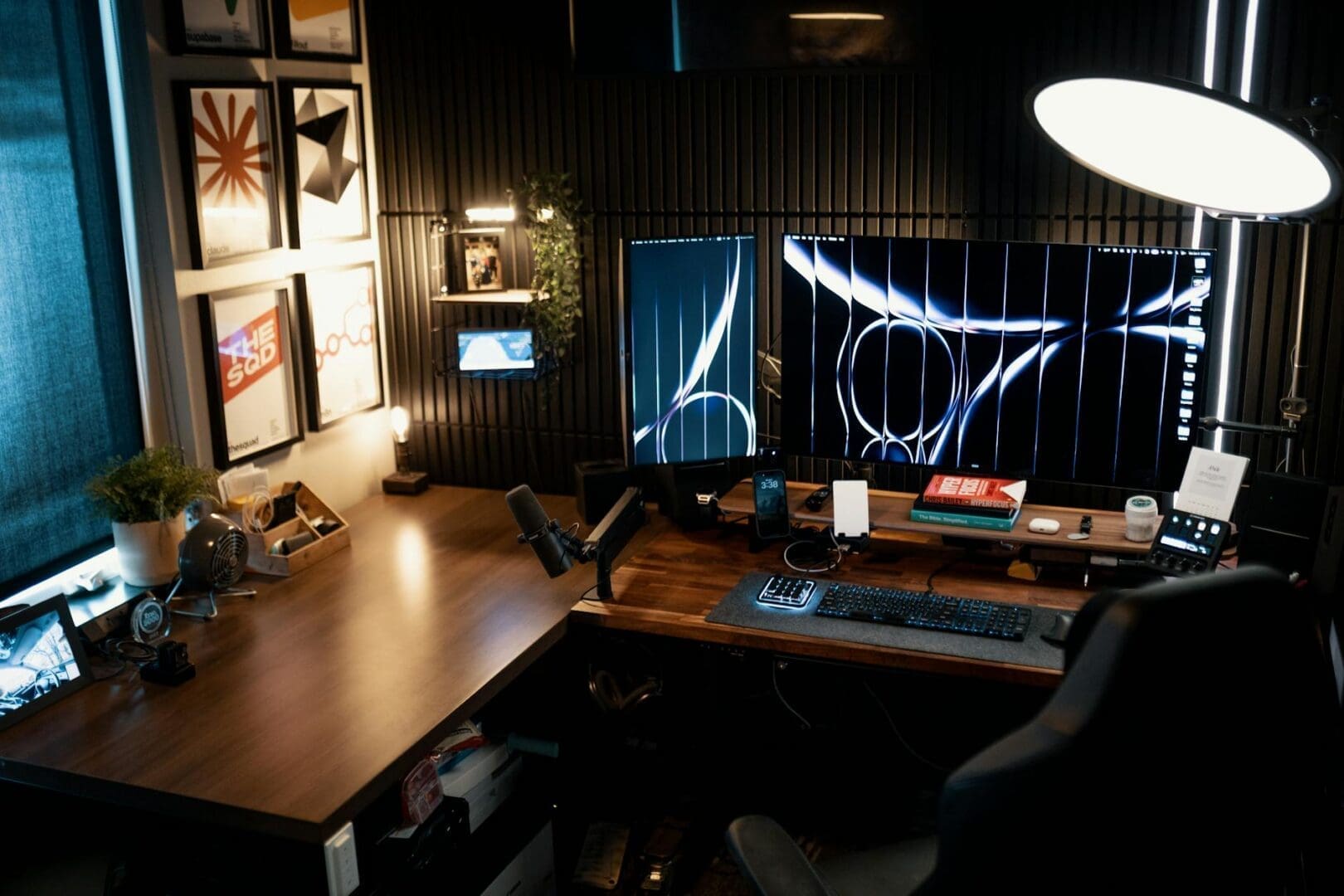
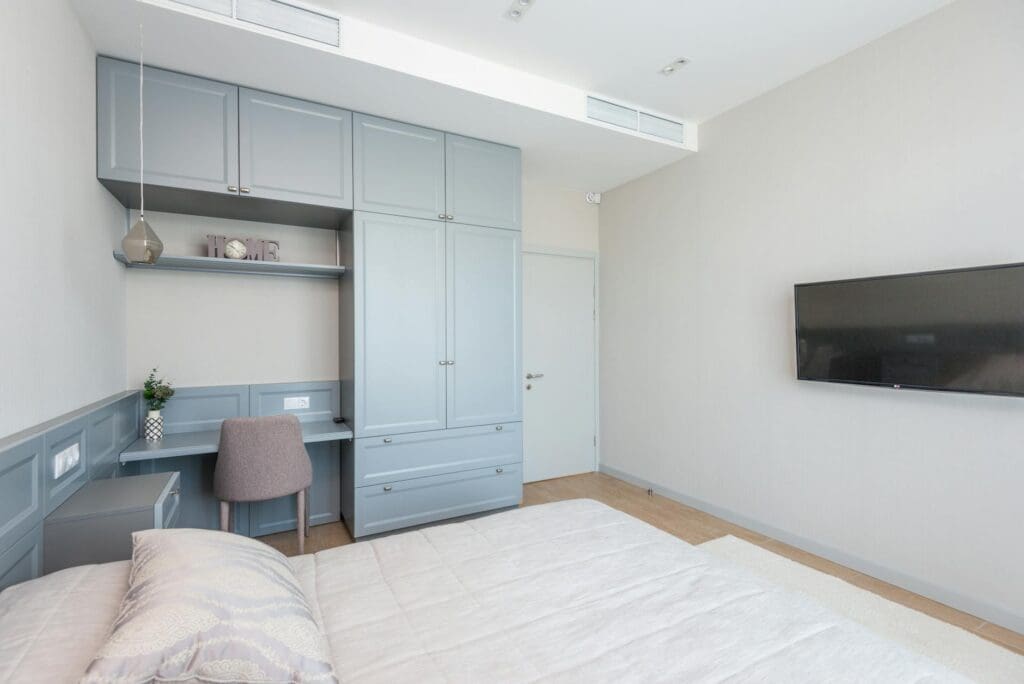
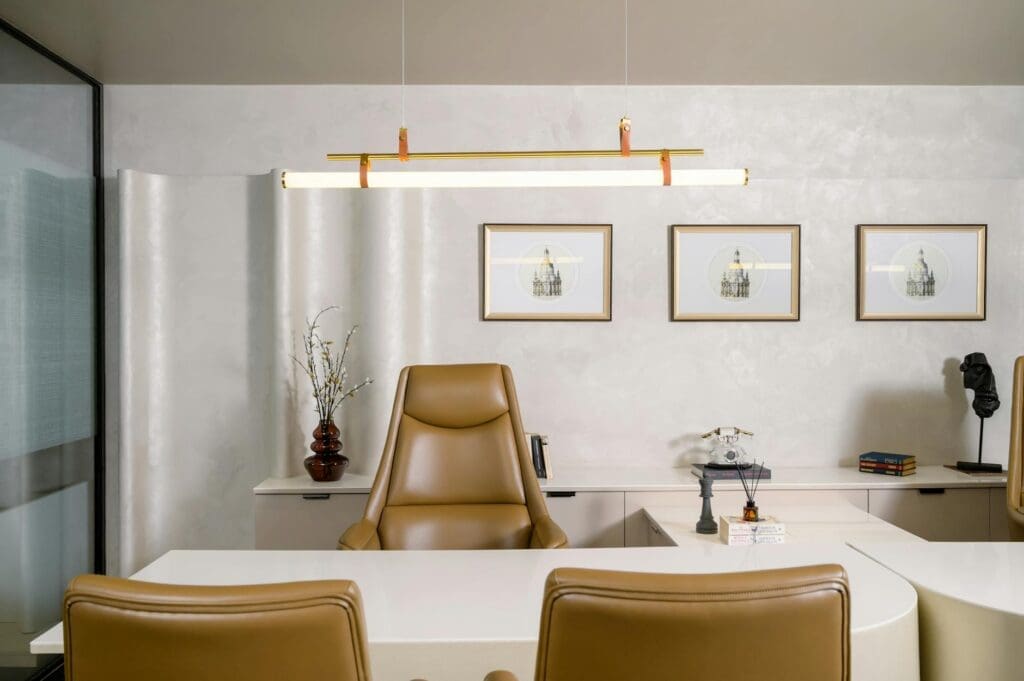
Working from home together can either strengthen your partnership or test your patience—it all comes down to how well you plan your shared workspace. Whether you’re both full-time remote workers or one of you needs an occasional desk setup, creating a functional home office for two requires more than squeezing two chairs into a spare room. The right furniture and layout can give you both the focus you need without feeling cramped or distracted.
Choosing the Right Desk Configuration
Your desk setup is the foundation of any dual office, and you’ve got several options depending on your room size and work styles. An L-shaped desk arrangement puts you at right angles to each other, which works beautifully in corner spaces and gives each person their own defined zone. You’ll find budget-friendly L-shaped desks starting around $200, while solid wood executive versions run $800-$1,500.
If you prefer facing the same direction, a long console-style desk (72-84 inches) can accommodate two people side-by-side with enough elbow room. Look for desks with a depth of at least 24 inches so you’re not fighting for space. For couples who need more separation, two individual desks placed back-to-back or on opposite walls creates clear boundaries—especially helpful if one of you takes a lot of video calls.
Wall-mounted floating desks are worth considering in tight spaces. At $150-$400 each, they free up floor space and can be installed at different heights if you have different ergonomic needs.
Storage Solutions That Prevent Chaos
Two people means double the papers, supplies, and general desk clutter. You’ll need dedicated storage for each person to avoid the inevitable “where’s my stapler” conflicts. Filing cabinets with two drawers work well when each person claims one, with budget options starting around $80 and sturdy metal versions running $200-$350.
Open shelving units placed between two desks can function as both storage and a subtle privacy divider. Look for units that are 48-60 inches tall—high enough to create visual separation without closing off the room. Cube organizers work particularly well here, letting each person claim specific cubes for their supplies.
Don’t overlook vertical storage. Wall-mounted organizers, pegboards, and floating shelves keep supplies accessible without eating into your limited desk surface. Plan for at least three storage spots per person: one for active projects, one for supplies, and one for reference materials.
Managing Noise and Privacy
Even the most compatible partners need acoustic boundaries. If your budget allows for one splurge item, consider a freestanding room divider or bookshelf that sits between workstations. Fabric-paneled dividers ($200-$500) absorb sound better than solid wood, while a tall bookshelf ($300-$600) pulls double duty as storage and partition.
Desk lamps with focused beams give each person control over their lighting without bothering the other. You’ll want adjustable options in the $60-$150 range that let you direct light exactly where you need it. Task lighting becomes especially important if one person works early mornings or late nights.
Area rugs help absorb sound from chair movement and typing. A good-sized rug (8×10 feet) that anchors both workstations runs $200-$800 depending on material, with low-pile options being easier to roll desk chairs across.
Smart Furniture Features to Look For
When shopping for office furniture that’ll serve two people, certain features make daily life significantly easier. Desks with built-in cable management keep cords from tangling between two setups—look for grommets or rear channels. Adjustable-height desks ($400-$1,200) accommodate different ergonomic needs and let you both switch between sitting and standing.
Consider investing in ergonomic office chairs as individual purchases rather than matching sets. You likely have different support needs, and a chair that works for one person might cause back pain for another. Quality ergonomic chairs range from $250-$700 and make a noticeable difference during long work days.
Rolling file cabinets or mobile pedestals ($100-$250) can be tucked under desks when not in use, then pulled out to create a flexible layout when one person needs to spread out for a big project.
Creating a shared office that works for both of you comes down to respecting that you’re designing for two distinct work styles in one room. Focus on defining clear zones, providing adequate storage for each person, and choosing furniture that can adapt as your needs change. The right setup means you can both be productive without getting in each other’s way—or on each other’s nerves.
Your home office deserves better than a jumble of mismatched shelves and that filing cabinet you’ve been meaning to replace. A storage wall unit can transform your workspace from chaotic to composed, giving you dedicated spots for books, supplies, tech equipment, and all those things that currently live in piles. The trick is finding one […]
Your back is telling you it’s time. After months of working from home in a dining chair or that hand-me-down seat from college, you’re ready to invest in a proper office chair. The good news? You don’t need to spend $800 on a Herman Miller to get real ergonomic support. The under-$300 market is packed […]
If you’re spending hours at your desk every day, your office chair matters more than you might think. The two most popular materials—mesh and leather—each have devoted fans, but they deliver very different sitting experiences. Let’s break down what actually matters so you can choose the one that fits your workday, your space, and your […]