Your entryway is the first thing you see when you walk through the door—and the last thing you notice before heading out. It sets the mood for your entire home, yet it’s easy to let it become a dumping ground for shoes, mail, and forgotten umbrellas. Creating a seasonal display here doesn’t mean overhauling everything four times a year. It’s about having a solid foundation and swapping in a few thoughtful touches that reflect the time of year without creating clutter.
Start With Furniture That Works Year-Round
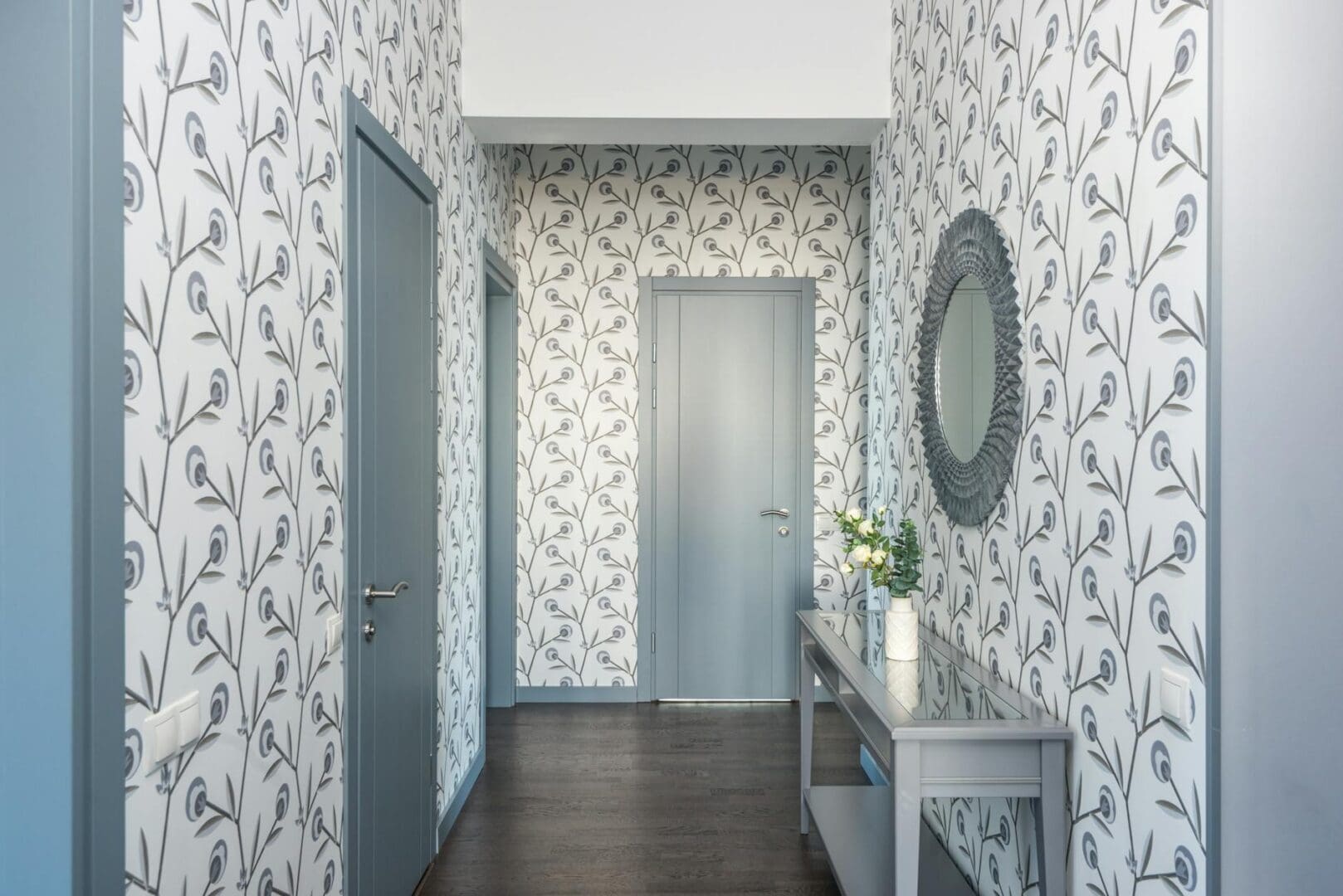
Before you think about seasonal decor, you need furniture pieces that can handle daily life while looking pulled together. A console table is the workhorse of most entryways—look for one between 28-32 inches high and 12-16 inches deep if you’re working with a narrow space. Tables with drawers or lower shelves give you storage for keys and dog leashes while providing display space on top.
If you have room, add a bench with hidden storage underneath. Budget-friendly options start around $100-150, while solid wood benches with upholstered tops run $300-600. A bench gives guests a place to sit while removing shoes and provides you with seasonal storage—winter scarves in cold months, picnic supplies in summer.
Don’t forget vertical storage. A coat rack or wall-mounted hooks are essential, and choosing one in a classic finish like matte black, brushed brass, or natural wood means it won’t compete with your rotating decor. Wall hooks typically range from $30-80 for a set of 3-5, while freestanding coat racks run $60-200 depending on material and design.
Build Your Seasonal Rotation Around a Core Palette
The key to easy seasonal transitions is choosing a consistent base that you love. If your entryway has warm wood tones, you might build around neutrals with organic textures. For a more modern space, stick with a monochromatic scheme and swap accent colors seasonally.
For each season, plan to change 3-5 smaller items rather than everything at once. Spring might mean a vase of fresh branches, a light linen table runner, and pastel pottery. Summer could bring in woven baskets, botanical prints, and brighter textiles. Fall welcomes richer colors through throw pillows on your bench, dried grasses, and copper accents. Winter invites evergreen clippings, plaid fabrics, and mercury glass candle holders.
Store your off-season items in labeled bins—clear plastic bins from $15-25 each make it easy to see what you have without digging through everything. Keep one bin per season, and you’ll never struggle with what to display next.
Layer Functional Decor That Earns Its Keep
The best entryway displays look good but also serve a purpose. A decorative tray (look for options from $25-75) corrals smaller items and creates a vignette on your console table. In winter, it might hold mittens and a candle. In summer, it could display sunglasses and sunscreen.
Mirrors are non-negotiable—they make small entryways feel larger and give everyone a last look before leaving. A statement mirror from $80-400 works every season, while the items you style around it change. Lean artwork against the wall rather than hanging it if you like flexibility; you can swap pieces seasonally without putting new holes in your wall.
Consider a catchall bowl or basket (budget options start around $20) for keys and mail. Choose one in a neutral material like ceramic, wood, or woven seagrass that complements any season. Swap the contents or add seasonal filler—pinecones in winter, shells in summer—but the container itself stays constant.
Keep It Practical Above All Else
Your entryway needs to function first and look pretty second. If your seasonal display makes it harder to grab your keys or creates surfaces where clutter accumulates, it’s not working. Limit tabletop items to 3-5 pieces maximum—maybe a lamp, a small plant or seasonal arrangement, and one decorative object.
Weather-appropriate items should always be accessible. Winter needs a spot for boots and a tray to catch snow melt ($20-50 for boot trays). Summer needs a home for reusable shopping bags. Built-in storage furniture costs more upfront ($250-800 for quality pieces) but prevents seasonal decor from fighting with everyday necessities.
Creating a seasonal entryway display is really about having good bones—the right furniture and storage—then changing just enough to feel fresh without becoming a chore. When you nail the foundation, swapping in a new wreath, changing your throw pillow, or rotating your decorative objects takes five minutes and makes coming home feel intentional every season.
A cramped entryway with shoes scattered everywhere isn’t just frustrating—it’s usually the first thing you and your guests see when walking through the door. The good news? Even the smallest entryway can stay organized with the right shoe rack. The challenge is finding one that actually fits your space without making it feel even more […]
That pile of shoes by the door isn’t going to organize itself, and your coats deserve better than being draped over the nearest chair. A coat rack with built-in shoe storage solves both problems in one piece of furniture, making it perfect for entryways, mudrooms, or even bedroom corners where clutter tends to accumulate. The […]
A cramped entryway doesn’t mean you’re doomed to trip over piles of coats or hunt for misplaced keys every morning. The right coat rack can transform even the tiniest entry into an organized, welcoming space. The challenge is finding one that holds what you need without making your small entryway feel even smaller. Consider Your […]