If you have pets, your entryway works harder than anyone else’s. It’s where muddy paws meet your floors, where leashes tangle with shoes, and where wet dog smell lingers after rainy walks. But with the right furniture and layout, you can create an entryway that handles all the chaos while still looking pulled together.
Choose Furniture That Can Take a Beating
Your entryway furniture needs to withstand scratches, bumps, and the occasional shake-off from a wet dog. Skip anything with delicate finishes or fragile construction.
A storage bench is your best friend here. Look for ones with solid wood or metal frames rather than particleboard, which can swell if it gets wet. The seat should be upholstered in performance fabrics like microfiber, canvas, or outdoor-grade materials that resist stains and pet hair. Budget options start around $150, while solid hardwood benches with lift-top storage run $400-800. The investment pays off when you’re not replacing furniture every few years.
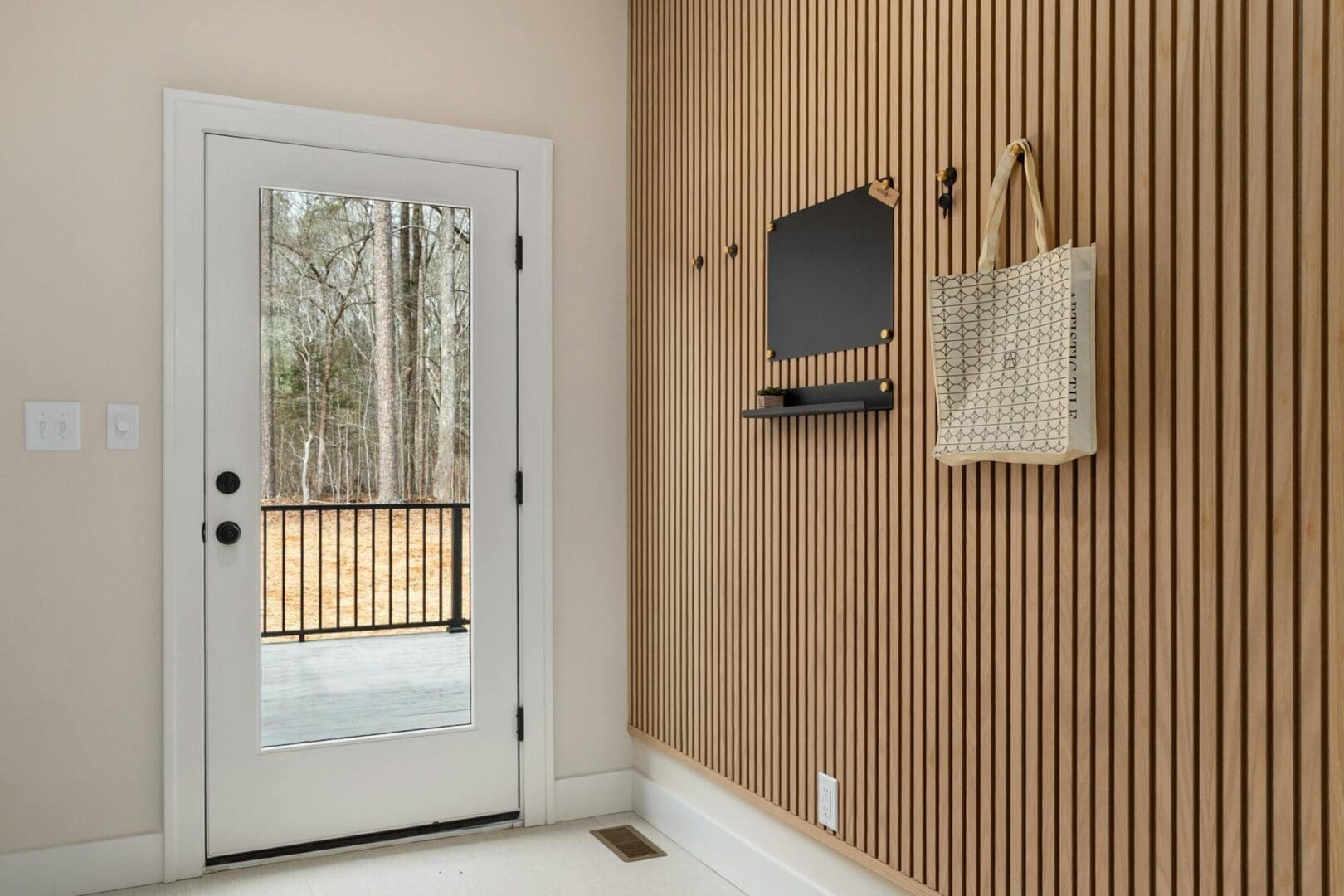
Wall-mounted coat racks or sturdy hooks placed at different heights let you hang leashes, harnesses, and your own jackets without everything ending up in a pile on the floor. Metal or solid wood hooks hold up better than plastic ones, especially if you have a large dog who pulls. Position at least one hook low enough that you can easily grab a leash on your way out.
Pick Flooring and Rugs You Can Actually Clean
Your entryway flooring takes direct hits from dirty paws, so it needs to be truly washable, not just “spot clean only.”
If you’re choosing permanent flooring, luxury vinyl plank, tile, or sealed concrete all handle moisture and scratches well. They wipe clean in seconds and won’t absorb odors like carpet does.
For rugs, look for low-pile or flat-weave options rather than plush or shag styles where dirt and fur embed themselves. Indoor-outdoor rugs made from polypropylene are machine-washable and dry quickly—many cost $50-150 for entryway sizes. Rubber-backed mats work well as a first line of defense right inside the door, catching the worst of the mud before it spreads. Keep a backup rug so you can rotate them through the wash, especially during muddy spring months.
Build in Smart Storage for Pet Gear
Pet supplies have a way of multiplying and taking over. Dedicated storage keeps everything accessible but contained.
A console table or small cabinet with drawers gives you places to stash poop bags, treats, grooming supplies, and seasonal gear like booties or cooling bandanas. Look for pieces with at least one closed storage area to hide the less attractive necessities. Open cubbies or baskets work well for items you grab frequently—put leashes and harnesses in one basket, towels for paw-wiping in another.
Wall-mounted organizers or pegboards let you customize your storage and change it as your needs evolve. You can hang baskets for toys, add shelves for supplies, and install hooks exactly where you need them. These systems range from $30 for basic pegboard setups to $200+ for more decorative wall organizer systems.
If you have space, a dedicated pet feeding station in the entryway means food and water bowls aren’t migrating around your kitchen. Look for raised feeders with storage underneath, or use a small cabinet with a waterproof mat on top.
Add Functional Finishing Touches
Small additions make daily routines smoother and protect your space from pet-related wear.
A tall umbrella stand or boot tray can double as a spot to corral wet leashes and collars after rainy walks. Wall-mounted towel bars installed at a comfortable height make it easy to keep dedicated pet towels within reach. Consider a small lidded waste bin for used poop bags—keeping it in the entryway means you’re more likely to actually dispose of them promptly.
If your pet sheds heavily, keep a lint roller or pet hair remover in an entryway drawer for quick touch-ups before you leave the house. A small tray or dish for your keys and phone keeps them off surfaces where they might get knocked over by an excited dog.
Creating a pet-friendly entryway isn’t about buying the most expensive furniture—it’s about choosing pieces that match how you actually live. Focus on durable materials, easy-clean surfaces, and enough storage to keep pet gear organized. Your entryway can handle everything your pets throw at it and still be a space you’re happy to walk into every day.
A cramped entryway with shoes scattered everywhere isn’t just frustrating—it’s usually the first thing you and your guests see when walking through the door. The good news? Even the smallest entryway can stay organized with the right shoe rack. The challenge is finding one that actually fits your space without making it feel even more […]
That pile of shoes by the door isn’t going to organize itself, and your coats deserve better than being draped over the nearest chair. A coat rack with built-in shoe storage solves both problems in one piece of furniture, making it perfect for entryways, mudrooms, or even bedroom corners where clutter tends to accumulate. The […]
A cramped entryway doesn’t mean you’re doomed to trip over piles of coats or hunt for misplaced keys every morning. The right coat rack can transform even the tiniest entry into an organized, welcoming space. The challenge is finding one that holds what you need without making your small entryway feel even smaller. Consider Your […]