If you’re tired of stepping on toys in the living room or hearing “I’m bored” every weekend, it might be time to reclaim your backyard. Creating a dedicated outdoor play area gives kids their own space to burn energy while keeping the chaos outside where it belongs. The good news? You don’t need a massive yard or a huge budget to pull this off—just some thoughtful planning and the right pieces.
Choosing the Right Location and Ground Surface
Start by picking a spot you can see from inside the house. Whether it’s visible from the kitchen window or back door, being able to supervise while you’re making dinner or working makes everything easier. The area doesn’t need to be enormous—a 10×10 foot space is enough for younger kids, while older children benefit from 15×20 feet or more.
The surface matters more than most people realize. Grass works fine for simple play, but high-traffic areas turn muddy fast. Rubber mulch runs $200-400 for a decent-sized space and provides excellent cushioning for falls. Foam tiles (the kind that interlock like puzzle pieces) cost $150-300 and work great under climbing structures. For budget-conscious families, wood chips are the most affordable option at $50-100, though they’ll need replenishing annually. Artificial turf sits at the higher end ($800-2,000 installed) but practically eliminates maintenance.
Essential Play Furniture and Structures
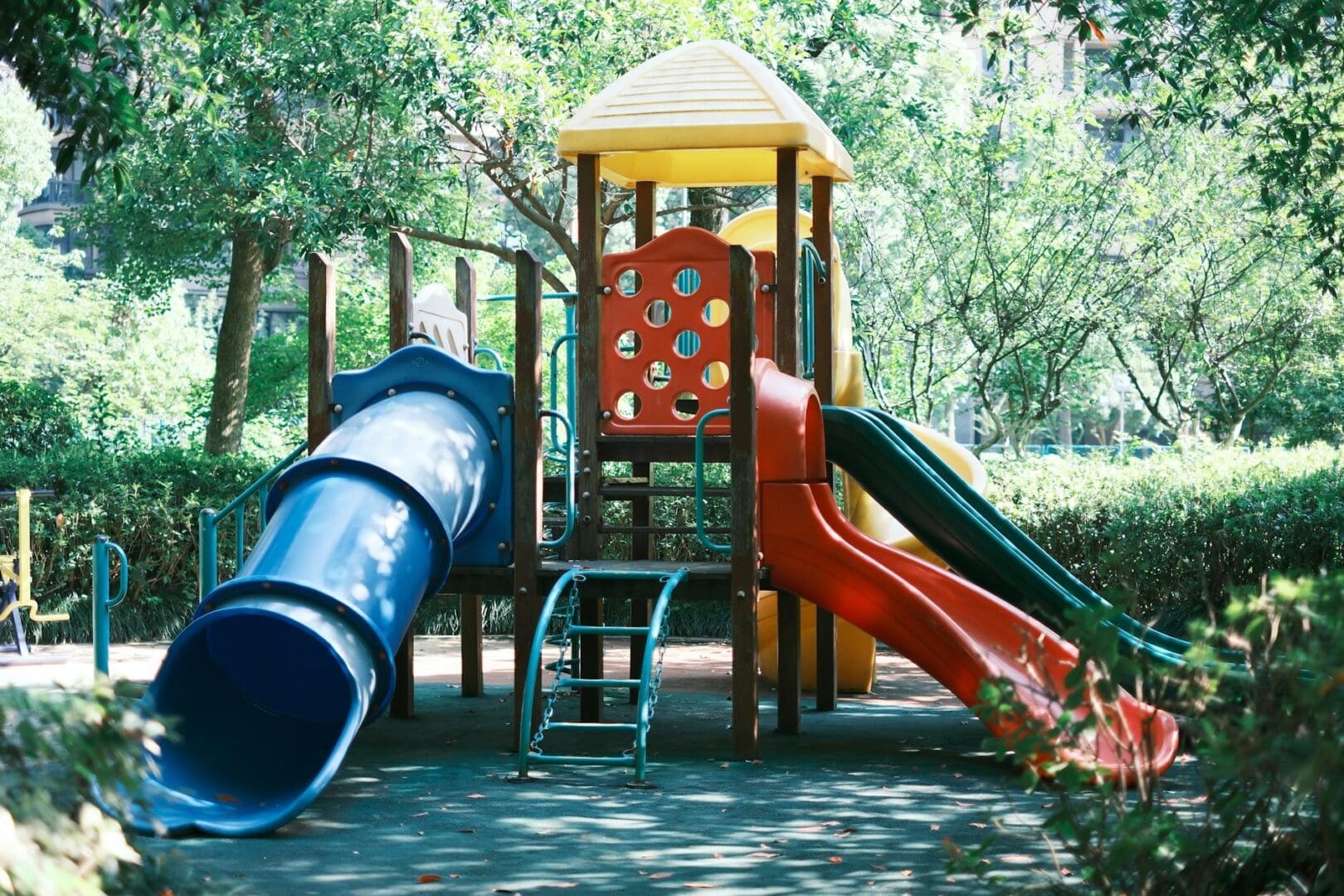
The anchor piece of most play areas is some type of climbing or activity structure. Compact wooden playsets start around $300-500 and typically include a slide, small climbing wall, and swings. Mid-range options ($800-1,500) add features like covered fort areas, multiple slides, or rock walls. If you’re working with limited space, consider a standalone swing set ($150-400) or a climbing dome ($200-600), which packs a lot of activity into a small footprint.
Don’t overlook seating—for them and for you. Kid-sized picnic tables ($80-150) create a spot for snacks, crafts, or just hanging out. Look for cedar or treated pine that can handle weather exposure. An outdoor storage bench ($120-250) gives you somewhere to sit while supervising and provides hidden storage for toys, balls, and sidewalk chalk. Weather-resistant bean bags ($40-80 each) are surprisingly durable and give kids a cozy reading nook outside.
Shade Solutions and Weather Protection
Summer sun makes play areas unusable by mid-morning without proper shade. A simple pop-up canopy ($80-150) works if you’re testing the waters, but it’ll need to come down in wind or rain. Sail shades ($60-200) mount semi-permanently and look more polished while blocking 85-95% of UV rays. For a more substantial solution, a pergola ($400-1,200 for DIY kits) provides partial shade and creates a defined “room” feeling in your yard.
If you’re really committed, consider a covered pavilion or gazebo ($800-3,000). Yes, it’s an investment, but it extends the play season into light rain and provides shelter year-round. Some families split the difference with a simple roof structure over a sandbox or play kitchen area, keeping specific zones usable in various weather.
Storage and Organization Pieces
Outdoor toys multiply like rabbits, and a play area quickly becomes chaos without proper storage. Deck boxes ($70-200) are workhorses—they hold everything from sports equipment to sand toys while doubling as extra seating. Look for ones with hydraulic hinges so lids don’t slam on little fingers.
Wall-mounted storage solutions work beautifully if your play area backs up to a fence or garage. Simple hooks ($15-30 for a set) keep bikes, scooters, and jump ropes organized. Slatwall panels ($40-100) with bins and hooks create a flexible system that grows with your kids’ changing interests. For smaller items, a weatherproof cabinet ($150-350) keeps craft supplies, bubbles, and chalk protected but accessible.
Setting up an outdoor play area transforms how your family uses your yard. The key is starting with solid, weather-resistant furniture pieces that match both your space and how your kids actually play. A well-planned play zone doesn’t just happen—it needs the right surfaces, structures, shade, and storage working together. Take measurements, think about what your kids gravitate toward, and invest in a few quality pieces rather than cluttering the space with everything at once. Your backyard has potential; it just needs the right setup to unlock it.
You’ve fallen for the classic look of Adirondack chairs, but now you’re stuck at the fork in the road: traditional wood or modern poly? It’s not just about aesthetics—this decision affects how much time you’ll spend on maintenance, how long your chairs will last, and whether you’ll be repainting in two years or still enjoying […]
There’s something wonderfully ironic about the Adirondack chair’s origin story. Back in 1903, Thomas Lee was vacationing in Westport, New York, frustrated by the lack of comfortable outdoor seating that could handle the sloped terrain of his property. So he built a wide-backed, slatted chair with a reclined seat—and accidentally created an icon. Today, you’ll […]
Nothing pulls together a patio quite like an outdoor rug—it defines your seating area, adds comfort underfoot, and makes the whole space feel more intentional. But get the size wrong, and it can look like a bath mat floating in the middle of your deck or a carpet that swallows your furniture whole. The good […]