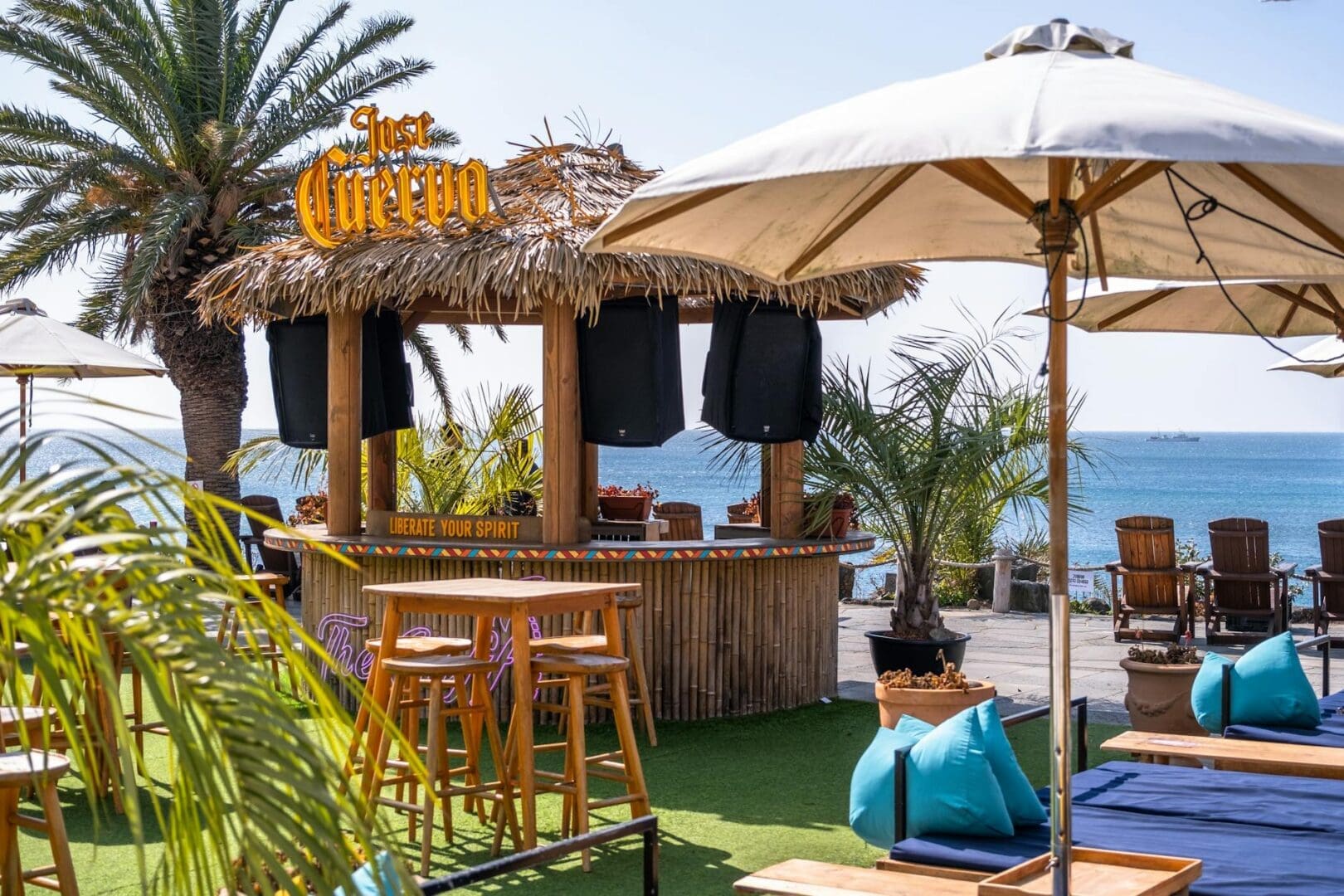
You’ve been eyeing that empty corner of your deck or that underused patio space, imagining weekend gatherings where you’re not constantly running back inside for drinks and supplies. An outdoor bar area can transform your backyard into an actual entertaining destination, but only if you set it up thoughtfully. The difference between a bar that gets used constantly and one that becomes a glorified plant stand comes down to choosing the right pieces and placing them strategically.
Choosing the Right Bar for Your Space
The bar itself is your anchor piece, and size matters more than you might think. Measure your space before you fall in love with anything. A standard outdoor bar runs 6-8 feet long and stands about 42 inches high, which works for most patios but can overwhelm smaller decks.
For tight spaces, consider a bar cart (fully mobile and typically 30-36 inches wide) or a console table you can push against a wall. These run $150-400 for weather-resistant options. Mid-range freestanding bars with built-in storage cost $500-1,200 and typically include shelving for bottles and glassware. If you’re going custom or high-end, outdoor bars with built-in refrigeration, sinks, and stone countertops start around $2,000 and climb quickly from there.
Material-wise, look for powder-coated aluminum or steel frames, weather-resistant wicker, or solid teak if your budget allows. Avoid anything described as “weather-friendly” rather than “weather-resistant”—that’s usually code for “bring it inside when it rains.” The countertop should be either natural stone, tile, or high-pressure laminate designed for outdoor use. Wood looks beautiful but requires seasonal maintenance.
Bar Stools That People Actually Want to Sit On
This is where many outdoor bars fail. Uncomfortable seating means guests grab their drinks and wander away. You need bar stools in the 28-30 inch seat height range (for standard 42-inch bars), and they absolutely must have backs and footrests. Backless stools are fine for quick breakfast bars indoors, but people settling in for conversation need support.
Plan for at least 24-26 inches of counter space per person. A 6-foot bar comfortably seats three people, maybe four if they’re friendly. Weather-resistant cushions make a huge difference in comfort—look for solution-dyed acrylic fabrics that resist fading and mildew. Budget around $80-150 per stool for aluminum or steel with decent cushioning, or $200-350 for wicker or teak options with premium fabrics.
Storage and Functionality Features
The best outdoor bars have thought-through storage because nobody wants to make multiple trips inside. At minimum, you need space for:
Bottles and mixers (enclosed cabinets protect from sun and pests)
Glassware (open shelving works if you use it regularly enough to keep dust at bay)
Bar tools and openers (hooks or a drawer near your prep area)
Ice bucket or built-in cooler (game-changer for convenience)
Built-in coolers or mini-fridges eliminate the ice-hauling problem entirely. If your bar doesn’t include one, a 20-inch rolling cooler cart fits under most bars and costs $100-200. You’ll also want a small prep surface—even just 18 inches—for cutting citrus and mixing drinks without crowding your serving area.
Lighting and Finishing Touches
An outdoor bar that’s only usable during daylight hours is a missed opportunity. String lights create ambiance but don’t provide enough task lighting for actual bartending. Add a pair of weather-resistant sconces or pendant lights above the bar area—you need to see what you’re pouring.
Battery-operated LED options start around $40 each and save you from hiring an electrician, though hardwired fixtures ($100-300 installed) look more polished and you’ll never deal with dead batteries mid-party. Consider a small outdoor rug beneath the bar stools to define the space and make it feel more intentional—just choose one specifically rated for outdoor use, or it’ll become a mildewed mess.
Setting up an outdoor bar area doesn’t require a complete patio renovation. Start with a properly sized bar and comfortable seating, add smart storage for your entertaining essentials, and finish with lighting that extends your usage into the evening. Get these fundamentals right, and you’ll wonder why you spent all those years making trips to the kitchen while your guests were outside having fun.
You’ve fallen for the classic look of Adirondack chairs, but now you’re stuck at the fork in the road: traditional wood or modern poly? It’s not just about aesthetics—this decision affects how much time you’ll spend on maintenance, how long your chairs will last, and whether you’ll be repainting in two years or still enjoying […]
There’s something wonderfully ironic about the Adirondack chair’s origin story. Back in 1903, Thomas Lee was vacationing in Westport, New York, frustrated by the lack of comfortable outdoor seating that could handle the sloped terrain of his property. So he built a wide-backed, slatted chair with a reclined seat—and accidentally created an icon. Today, you’ll […]
Nothing pulls together a patio quite like an outdoor rug—it defines your seating area, adds comfort underfoot, and makes the whole space feel more intentional. But get the size wrong, and it can look like a bath mat floating in the middle of your deck or a carpet that swallows your furniture whole. The good […]