Combining your mudroom and laundry room isn’t just about saving space—it’s about creating a drop zone that handles the messiest parts of daily life without breaking a sweat. If you’re working with a tight floor plan or just want to streamline your home’s workflow, a well-designed combo space can be a game-changer. The trick is getting the layout and storage right so both functions work without getting in each other’s way.
Plan Your Layout Around Traffic Flow
Start by mapping out how people and laundry move through the space. Your washer and dryer need to sit against a wall with proper hookups, which typically determines the room’s anchor point. From there, position your mudroom elements—benches, hooks, and cubbies—along the opposite wall or in an L-shape configuration.
If you have 8 feet or more of wall space, you can comfortably fit a stacked or side-by-side washer-dryer pair plus a 4-foot bench with storage. Tighter spaces work better with a stacked laundry setup, which frees up floor space for a corner bench or even just a wall-mounted hook system with a slim shoe rack underneath.
Leave at least 36 inches of clearance in front of your washer and dryer for loading and unloading. This aisle space doubles as your mudroom throughway, so it needs to accommodate both functions without feeling cramped.
Choose Storage That Pulls Double Duty
The furniture you pick needs to work overtime here. A storage bench with lift-top seating provides a place to pull on shoes while hiding away winter accessories, pet supplies, or extra laundry detergent. Look for benches 18 to 20 inches deep—shallow enough to not eat up your walking space but roomy enough to actually hold things.
Wall-mounted cubbies or lockers keep daily gear organized without taking up floor space. Each family member gets a designated spot for bags, coats, and shoes, which prevents the “pile creep” that happens in shared spaces. Cubbies with both open shelving and closed cabinet sections (budget options start around $200, while custom built-ins run $800-2,000) let you display some items while hiding the chaos.
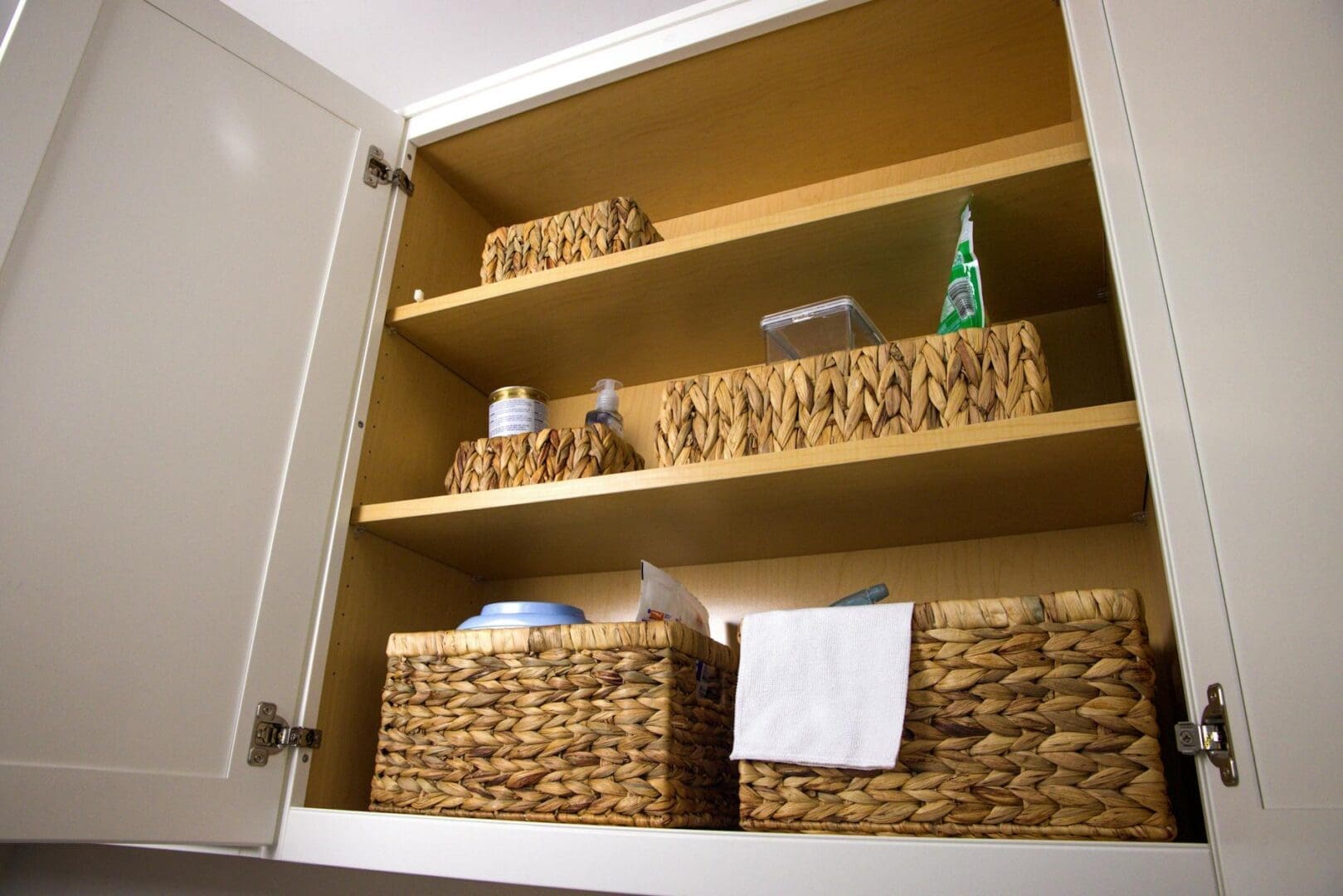
Upper cabinets above your washer and dryer are non-negotiable. They store laundry supplies, cleaning products, and seasonal mudroom items you’re not currently using. Choose cabinets that extend to the ceiling if possible—that top shelf is perfect for things like bulk paper towels or off-season sports equipment.
Pick Materials That Handle Moisture and Mess
This room takes a beating from both wet laundry and dirty boots, so your materials need to be tougher than average. Porcelain or ceramic tile flooring is your best bet—it’s waterproof, easy to clean, and durable enough to handle dropped detergent bottles and muddy cleats. Luxury vinyl plank is a close second if you want something warmer underfoot, and it typically costs $3-8 per square foot installed.
For seating, skip fabric upholstery entirely. Wood benches with removable cushions in outdoor-grade fabric or easy-wipe vinyl let you clean up spills and dirt without worry. Solid wood or quality engineered wood holds up better than particleboard, especially in a moisture-prone environment.
Wall hooks and hardware should be metal, not plastic. Coat hooks need to support 5-10 pounds each when loaded with heavy winter coats and wet bags. Look for hooks mounted into studs or use heavy-duty drywall anchors rated for the weight.
Add Smart Finishing Touches
A folding station makes this combo space exponentially more useful. If you have counter space next to your dryer, you’re set. If not, consider a wall-mounted fold-down table that tucks away when not in use—these run $100-300 and take up zero floor space.
Under-bench storage bins or baskets keep the floor clear while corralling shoes, sports gear, or each person’s incoming mail and school papers. Pull-out bins are easier to access than stationary ones, especially for kids.
Good lighting matters more than you’d think. This is where you’re checking stains, sorting colors, and hunting for missing gloves at 7 AM. Add overhead lighting plus a task light near your folding area. Motion-sensor switches are worth the upgrade—they keep your hands free when you’re juggling laundry baskets.
Creating a functional mudroom-laundry combo comes down to smart furniture placement and storage that earns its keep. Get the layout right first, choose durable pieces sized for your specific space, and add organizational elements that keep both functions running smoothly. When everything has a home and surfaces can handle real life, you’ll wonder why you didn’t combine these spaces sooner.
A cramped entryway with shoes scattered everywhere isn’t just frustrating—it’s usually the first thing you and your guests see when walking through the door. The good news? Even the smallest entryway can stay organized with the right shoe rack. The challenge is finding one that actually fits your space without making it feel even more […]
That pile of shoes by the door isn’t going to organize itself, and your coats deserve better than being draped over the nearest chair. A coat rack with built-in shoe storage solves both problems in one piece of furniture, making it perfect for entryways, mudrooms, or even bedroom corners where clutter tends to accumulate. The […]
A cramped entryway doesn’t mean you’re doomed to trip over piles of coats or hunt for misplaced keys every morning. The right coat rack can transform even the tiniest entry into an organized, welcoming space. The challenge is finding one that holds what you need without making your small entryway feel even smaller. Consider Your […]