You want a backyard that looks inviting without demanding your entire weekend. Between work, family, and everything else on your plate, the last thing you need is a high-maintenance outdoor space that requires constant pruning, mowing, and fussing. The good news? You can have a beautiful garden that practically takes care of itself—with the right furniture choices, hardscaping, and a few smart design decisions.
Start with Durable Outdoor Furniture That Weathers Well
The furniture you choose sets the tone for your entire space, and some materials are far easier to maintain than others. Aluminum and powder-coated steel frames resist rust and need nothing more than an occasional wipe-down. Pair these with all-weather wicker or resin pieces that won’t crack or fade, and you’re looking at furniture that can stay outside year-round in most climates.
For seating, skip the cushions entirely or opt for quick-dry foam covered in solution-dyed acrylic fabrics that resist mildew and fading. Budget-friendly aluminum sets start around $400-600, while quality teak pieces (which develop a beautiful silver patina with zero effort) run $1,200-3,000. Mid-range options in recycled plastic lumber or composite materials typically fall between $800-1,500 and can last decades without staining or sealing.
Look for furniture with minimal crevices where dirt and moisture can collect. Clean-lined designs aren’t just modern—they’re practical.
Choose Hardscaping Over High-Maintenance Lawns
Grass demands weekly mowing, regular watering, and seasonal fertilizing. Consider replacing some or all of your lawn with gravel pathways, decomposed granite patios, or pavers. These surfaces need virtually no upkeep beyond occasional weeding and a quick sweep.
A gravel courtyard with strategically placed container plants gives you flexibility without commitment. Pavers set in sand or gravel create defined spaces for dining or lounging areas—just make sure to install landscape fabric underneath to minimize weed growth. Porcelain pavers have become increasingly popular because they don’t absorb stains and can be pressure-washed clean in minutes.
For areas where you want greenery underfoot, consider alternatives like clover or thyme lawns. They require far less water than traditional grass, need mowing only a few times per season, and actually improve your soil over time.
Select Self-Sufficient Plants and Smart Containers
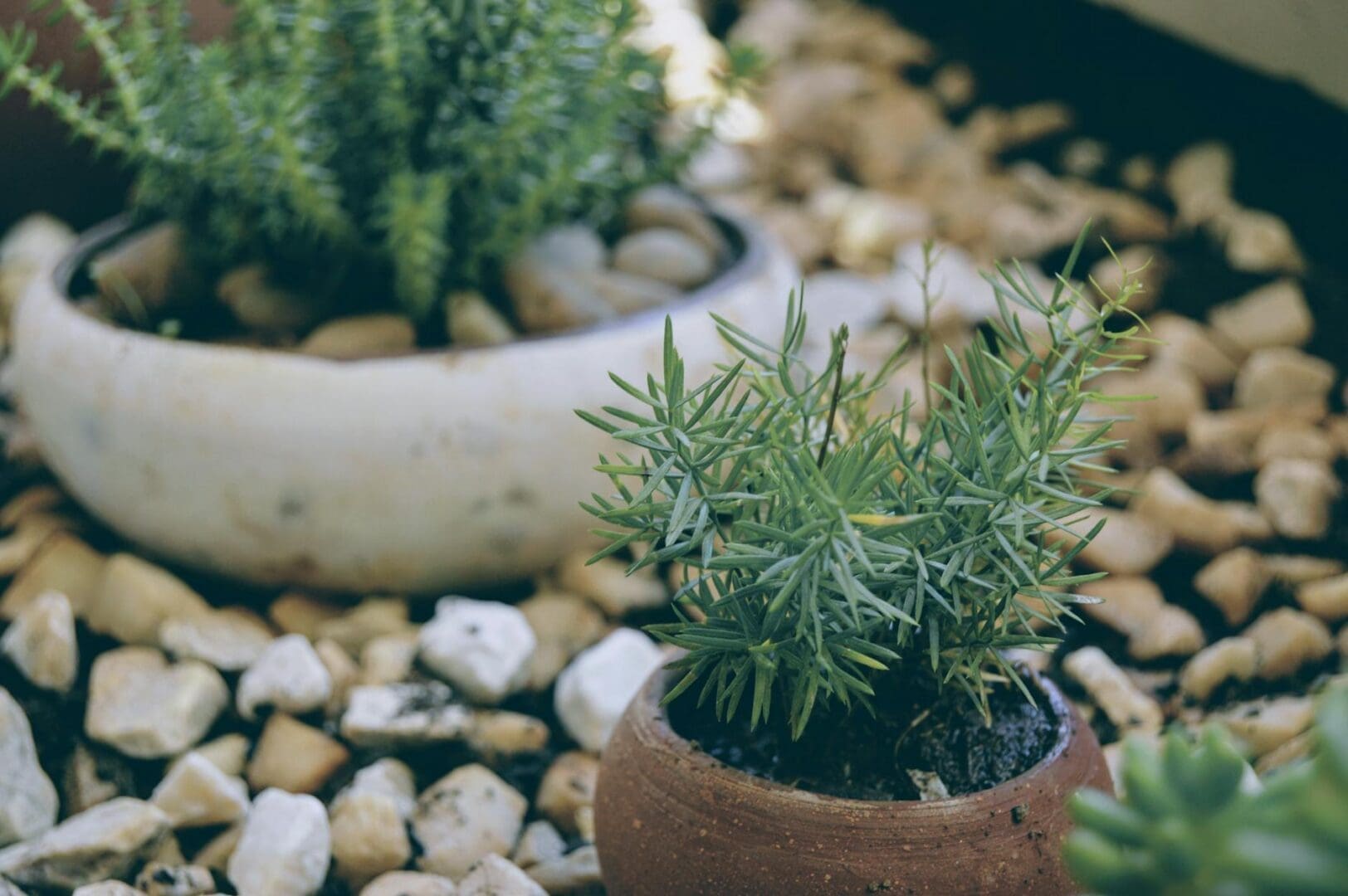
Native plants are your secret weapon—they’re adapted to your local climate and rainfall patterns, which means less watering and no fussing with soil amendments. Ornamental grasses, sedums, and drought-tolerant perennials like lavender and Russian sage provide structure and color without demanding attention.
When you do use containers, bigger is better. Large planters (18 inches or wider) retain moisture longer than small pots, reducing how often you need to water. Self-watering planters with built-in reservoirs are worth the investment if you travel frequently or simply want to water less often. Budget options start around $30-50, while attractive fiberglass or lightweight concrete planters run $80-200.
Group plants with similar water needs together, and consider installing a simple drip irrigation system with a timer. You can set up a basic system for $100-150, and it’ll water your containers and beds automatically while you’re at work or on vacation.
Add Functional Shade Structures
A pergola or shade sail doesn’t just make your space more comfortable—it also protects your furniture from UV damage and reduces how often you need to clean outdoor cushions and surfaces. Cedar and redwood pergolas develop a weathered look naturally and don’t require staining, though you’ll pay $2,000-5,000 for a quality structure. Aluminum pergolas with powder-coated finishes need zero maintenance and start around $1,200-2,500.
Shade sails in UV-resistant fabric can be installed for $200-800 and simply need to be taken down during heavy snow or storms. They’re perfect for renters or anyone who wants flexibility.
Your low-maintenance backyard should feel like an extension of your home, not another chore on your to-do list. Focus on quality materials that improve with age, minimize lawn areas, choose plants that thrive on neglect, and invest in furniture that can handle whatever weather comes its way. The result? More time actually enjoying your outdoor space instead of constantly maintaining it.
You’ve fallen for the classic look of Adirondack chairs, but now you’re stuck at the fork in the road: traditional wood or modern poly? It’s not just about aesthetics—this decision affects how much time you’ll spend on maintenance, how long your chairs will last, and whether you’ll be repainting in two years or still enjoying […]
There’s something wonderfully ironic about the Adirondack chair’s origin story. Back in 1903, Thomas Lee was vacationing in Westport, New York, frustrated by the lack of comfortable outdoor seating that could handle the sloped terrain of his property. So he built a wide-backed, slatted chair with a reclined seat—and accidentally created an icon. Today, you’ll […]
Nothing pulls together a patio quite like an outdoor rug—it defines your seating area, adds comfort underfoot, and makes the whole space feel more intentional. But get the size wrong, and it can look like a bath mat floating in the middle of your deck or a carpet that swallows your furniture whole. The good […]