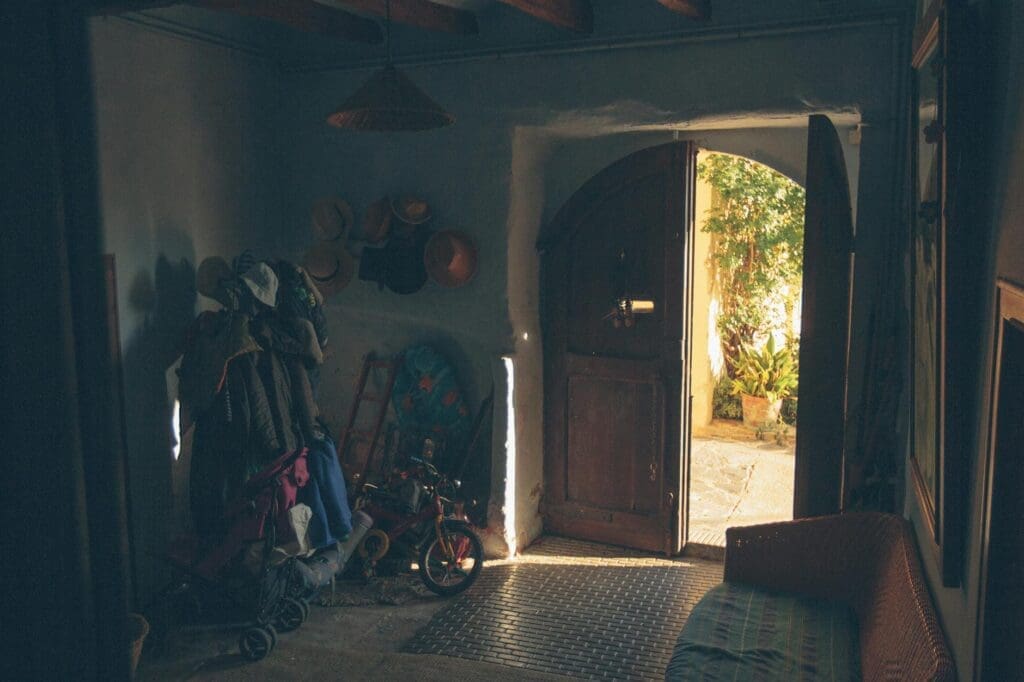
If your entryway looks like a tornado hit it five minutes after the kids get home, you’re not alone. Backpacks on the floor, shoes scattered everywhere, jackets draped over whatever surface they landed on first—it’s the daily reality for most families. The good news? With the right furniture and setup, you can create an entryway that works with your kids’ habits instead of against them.
Choose Storage That Kids Can Actually Reach and Use
The biggest mistake parents make is installing storage at adult height and then wondering why kids drop everything on the floor. Your entryway storage needs to meet your kids where they are—literally.
Look for benches with cubbies or open shelving underneath, positioned no higher than 36 inches. Each child should have their own designated cubby that’s clearly visible and easy to access. Skip the doors and drawers for young kids; open storage means they can toss items in without fumbling with hardware. Fabric bins or baskets that slide into cubbies work well because they’re forgiving—nothing needs to be folded or perfectly placed.
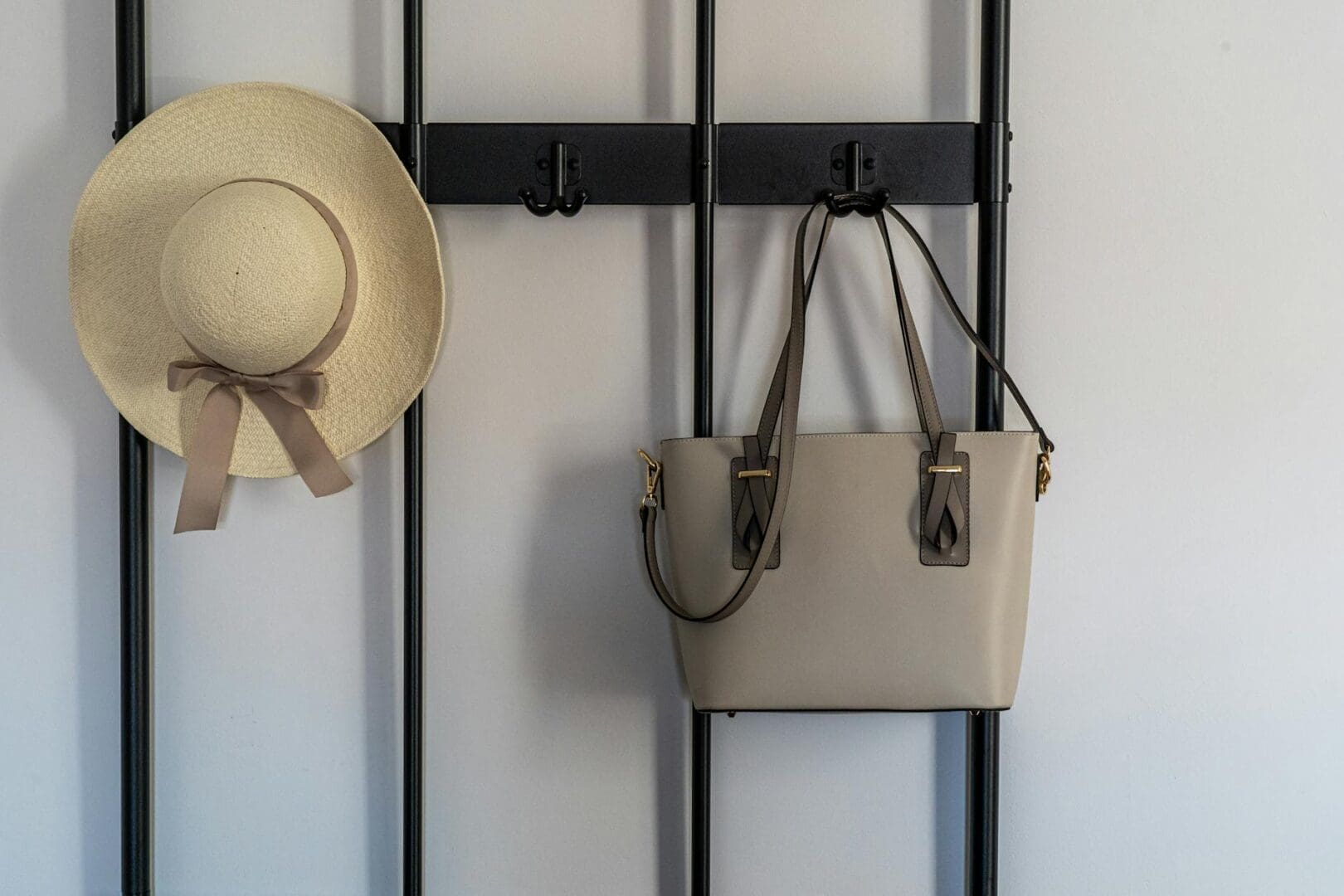
Wall hooks are essential, but mount them at your child’s shoulder height, not yours. For a family with kids of different ages, consider a double row of hooks at varying heights. Expect to spend $40-80 for a quality wall-mounted hook rack, or $150-400 for a bench with built-in cubbies and hooks.
Pick Durable, Easy-to-Clean Materials
This isn’t the place for delicate upholstery or light-colored fabrics. Your entryway furniture needs to handle muddy shoes, wet mittens, and the occasional juice box spill.
For bench seating, look for wipeable materials like vinyl, faux leather, or treated fabrics with stain-resistant finishes. Wood benches are incredibly durable—solid hardwood or quality engineered wood can take decades of abuse. Avoid particle board if you’re looking for longevity. For flooring protection, a rubber-backed mat or durable indoor-outdoor rug is non-negotiable. Look for low-pile options that won’t trip little feet and can be easily shaken out or hosed down.
Metal hooks and hardware hold up better than plastic alternatives, especially when kids are yanking heavy backpacks on and off. Powder-coated steel or brass hooks might cost a few dollars more, but they won’t snap off after six months of use.
Make Organization Visible and Obvious
Kids aren’t going to remember which drawer holds what or follow a complex organizational system. Visual cues make all the difference.
Label each cubby or bin with your child’s name—use pictures for kids who can’t read yet. Color-coding works beautifully: each child gets their own color for their hooks, bins, and storage spaces. This eliminates the “that’s not my stuff” arguments and makes cleanup obvious.
Consider a wall-mounted mail organizer or magazine rack positioned at kid height for papers that need to come out of backpacks immediately—permission slips, homework folders, school notices. A small bulletin board or clipboard lets kids see what they need to remember without papers getting lost in the shuffle.
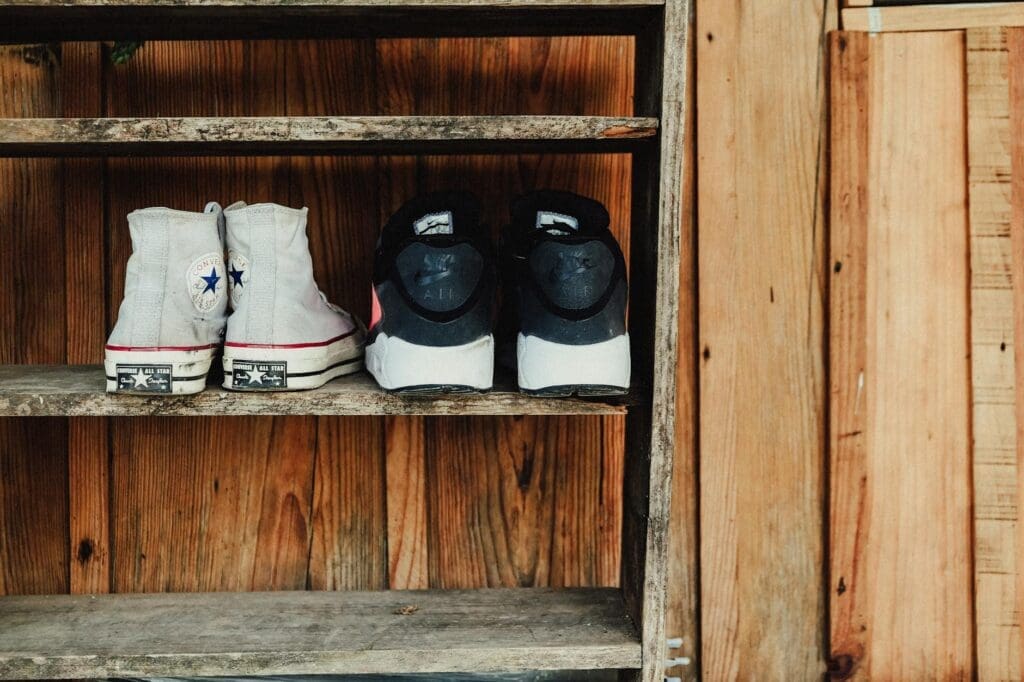
If you have space, a small shoe rack or tray for each child (rather than one communal pile) helps shoes actually make it to their designated spot. Slanted shoe shelves work better than flat ones because kids can see all their options at once.
Create Zones for Different Activities
The most functional kid-friendly entryways have clear zones: a drop zone for immediate dumping of bags and shoes, a seating zone for putting shoes on and taking them off, and a grooming zone with a mirror at kid height for last-minute checks before heading out.
A narrow console table (if space allows) gives you a surface for sunscreen, hand sanitizer, masks, or whatever daily essentials your family needs to grab on the way out. Mount a mirror above it, and suddenly kids can check themselves before the bus arrives instead of you doing last-minute face wipes and hair fixes.
For tight spaces, wall-mounted furniture is your friend. A fold-down bench, floating shelf with hooks underneath, or a slim pegboard system can deliver the same functionality in a fraction of the footprint. Budget systems start around $50, while custom built-ins typically run $500-1500 depending on size and materials.
The key to an entryway that actually works for your family is making the right choice easier than the wrong one. When kids can reach their hooks, when their cubby is obvious, when putting things away takes less effort than dropping them on the floor—that’s when the magic happens. You won’t achieve perfection (this is real life with kids, after all), but you will get something so much better than the chaos: a functional space that mostly maintains itself.
A cramped entryway with shoes scattered everywhere isn’t just frustrating—it’s usually the first thing you and your guests see when walking through the door. The good news? Even the smallest entryway can stay organized with the right shoe rack. The challenge is finding one that actually fits your space without making it feel even more […]
That pile of shoes by the door isn’t going to organize itself, and your coats deserve better than being draped over the nearest chair. A coat rack with built-in shoe storage solves both problems in one piece of furniture, making it perfect for entryways, mudrooms, or even bedroom corners where clutter tends to accumulate. The […]
A cramped entryway doesn’t mean you’re doomed to trip over piles of coats or hunt for misplaced keys every morning. The right coat rack can transform even the tiniest entry into an organized, welcoming space. The challenge is finding one that holds what you need without making your small entryway feel even smaller. Consider Your […]