Basements often become catch-all storage spaces, but that underutilized square footage could be your perfect home office. Whether you’re setting up a remote workspace or need a quiet spot away from household chaos, a basement office offers privacy and separation that’s hard to find elsewhere in your home. The challenge? Basements come with their own quirks—low ceilings, limited natural light, and sometimes moisture concerns—but with the right furniture and setup, you can create a workspace that’s both functional and inviting.
Lighting Is Your Most Important Investment
Let’s be honest: most basements have tiny windows or none at all. This makes lighting your number-one priority, and you’ll need to layer multiple sources to avoid the cave effect. Start with overhead lighting that mimics natural daylight—look for LED panels or flush-mount fixtures with color temperatures between 4000K and 5000K, which reduce eye strain during long work sessions.
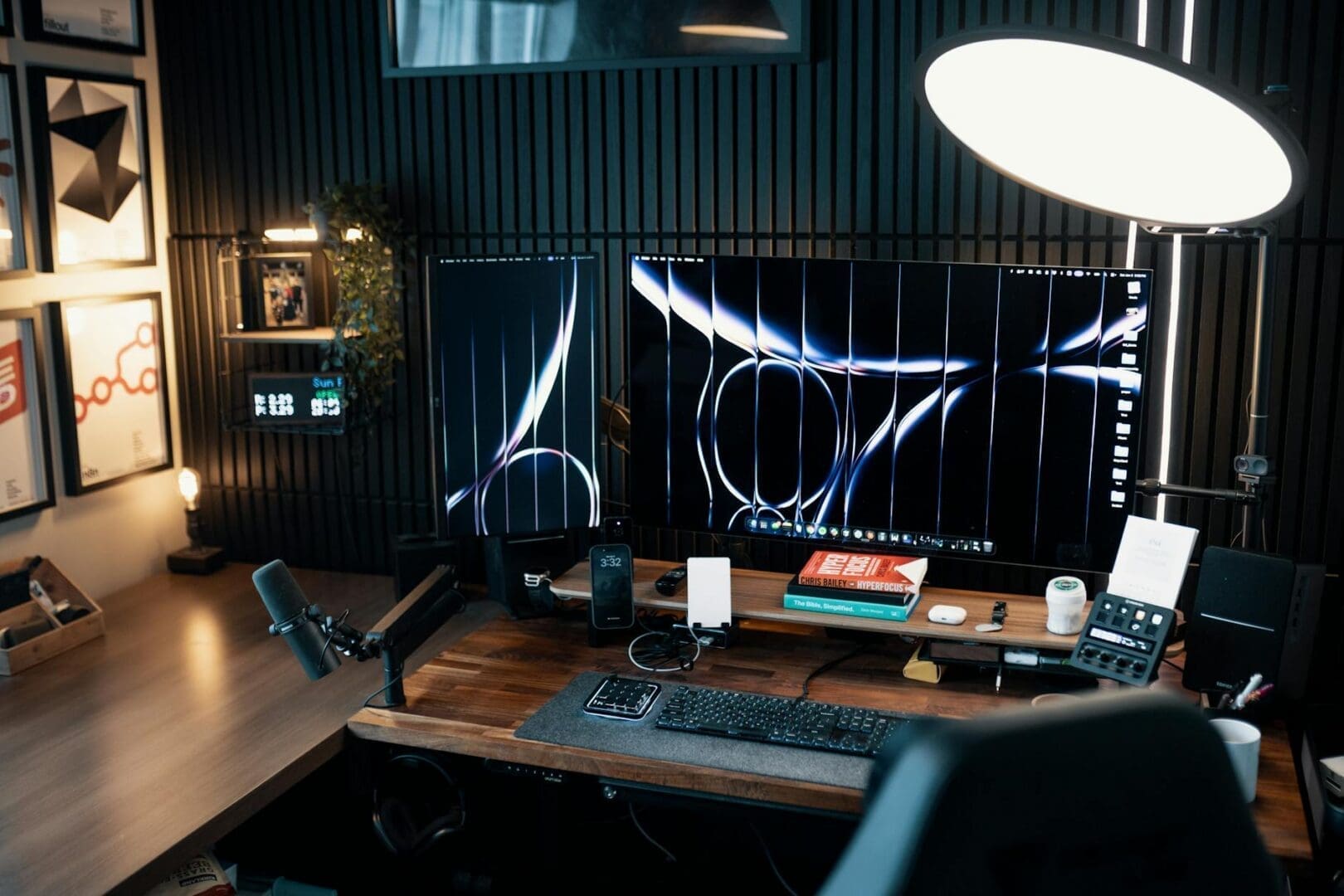
Add a quality desk lamp with adjustable brightness for task lighting. The best ones offer both ambient and focused settings, running from $40 for basic models to $150+ for architect-style lamps with multiple joints. Don’t forget floor lamps in corners to eliminate shadows and make the space feel larger. If you have small windows, position your desk perpendicular to them rather than facing them directly—you’ll get ambient light without glare on your screen.
Choose Furniture That Fits the Space
Basement ceilings typically sit at 7 to 8 feet, so proportion matters more than in standard rooms. Low-profile furniture helps maintain visual breathing room. Look for desks between 28 and 30 inches high with simple, streamlined designs rather than bulky executive styles. A compact writing desk (48 inches wide) works for laptop-focused work, while those needing dual monitors should consider 60-inch widths minimum.
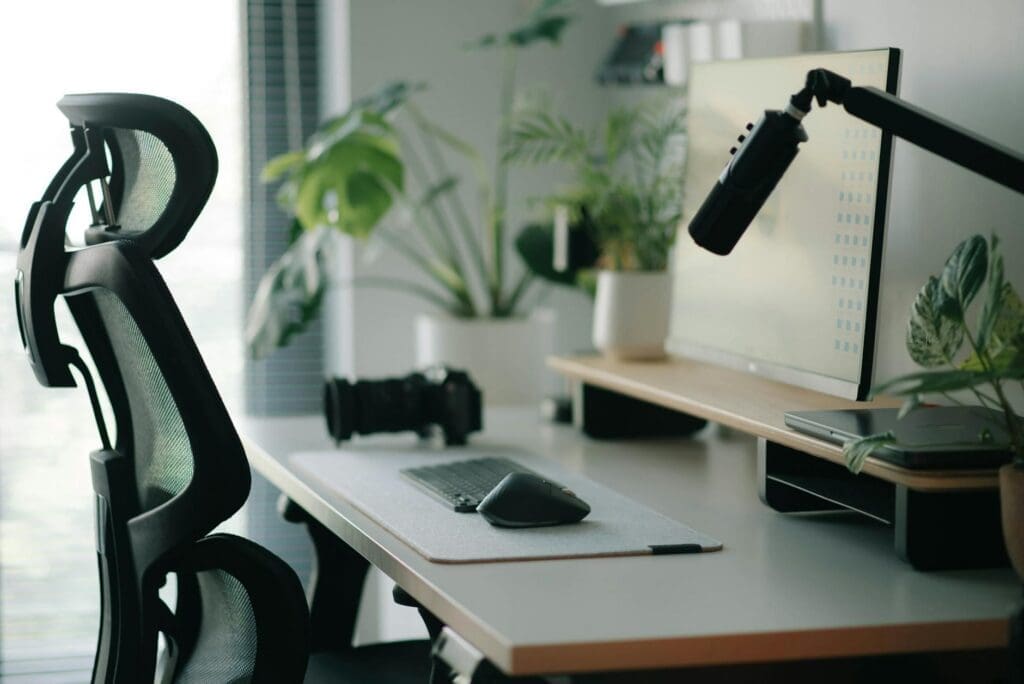
Your chair deserves careful attention since you’ll spend hours in it. Ergonomic office chairs range from $200 for solid budget options to $500+ for mid-range models with lumbar support and adjustable arms. Test the height adjustment range—you want your feet flat on the floor with knees at 90 degrees. Skip chairs with high backs if your ceiling is already low; mid-back designs create better proportions.
Storage becomes crucial in basements where you’re already fighting for space. Wall-mounted shelving keeps floors clear and draws eyes upward, making ceilings feel higher. Floating shelves ($30-100 per set) work for books and decorative items, while closed cabinets ($150-400) hide clutter and protect documents from potential moisture.
Address Climate and Comfort Concerns
Basements tend to be cooler and sometimes damper than upper floors. Before furnishing, run a dehumidifier if humidity exceeds 50%—moisture damages both furniture and electronics. Metal and laminate furniture handles basement conditions better than solid wood, which can warp over time. If you love wood pieces, ensure your basement has proper moisture barriers and consistent climate control.
Add an area rug to define your office zone and provide warmth underfoot—especially important if you’re working over concrete. Indoor-outdoor rugs ($80-300) resist moisture better than traditional wool, though they sacrifice some coziness. For temperature control, a small space heater with automatic shutoff ($40-80) takes the chill off without running your whole-house heating.
Make It Feel Like a Real Office, Not a Basement
The psychological difference between “I work in my basement” and “I have a basement office” comes down to intentional design. Paint walls in lighter colors—whites, soft grays, or warm beiges—to reflect light and counteract the underground feeling. One accent wall in a deeper color adds personality without closing in the space.
Bring in elements that ground you: a small bookshelf with your favorite reads, framed artwork at eye level, or a few plants that thrive in low light like pothos or snake plants. A small side table ($50-150) gives you space for coffee and creates a more finished look than just a desk alone. These touches signal to your brain that this is a professional workspace worth taking seriously, even when you’re working in your sweatpants.
Creating a basement office takes some extra thought, but you’re working with dedicated square footage that’s naturally quiet and separate from household traffic. Focus your budget on excellent lighting and a supportive chair first, then build out from there. With the right setup, that forgotten basement transforms into the most productive room in your house.
Your home office deserves better than a jumble of mismatched shelves and that filing cabinet you’ve been meaning to replace. A storage wall unit can transform your workspace from chaotic to composed, giving you dedicated spots for books, supplies, tech equipment, and all those things that currently live in piles. The trick is finding one […]
Your back is telling you it’s time. After months of working from home in a dining chair or that hand-me-down seat from college, you’re ready to invest in a proper office chair. The good news? You don’t need to spend $800 on a Herman Miller to get real ergonomic support. The under-$300 market is packed […]
If you’re spending hours at your desk every day, your office chair matters more than you might think. The two most popular materials—mesh and leather—each have devoted fans, but they deliver very different sitting experiences. Let’s break down what actually matters so you can choose the one that fits your workday, your space, and your […]