Walking straight into your living room from the front door isn’t just awkward—it makes your whole home feel less organized. But when you’re working with an open floor plan or a doorway that opens directly into another room, you can’t just hang hooks on a wall that doesn’t exist. The good news? You don’t need walls to create a functional, welcoming entryway. You just need the right furniture and a bit of strategic planning.
Define the Space with Freestanding Furniture
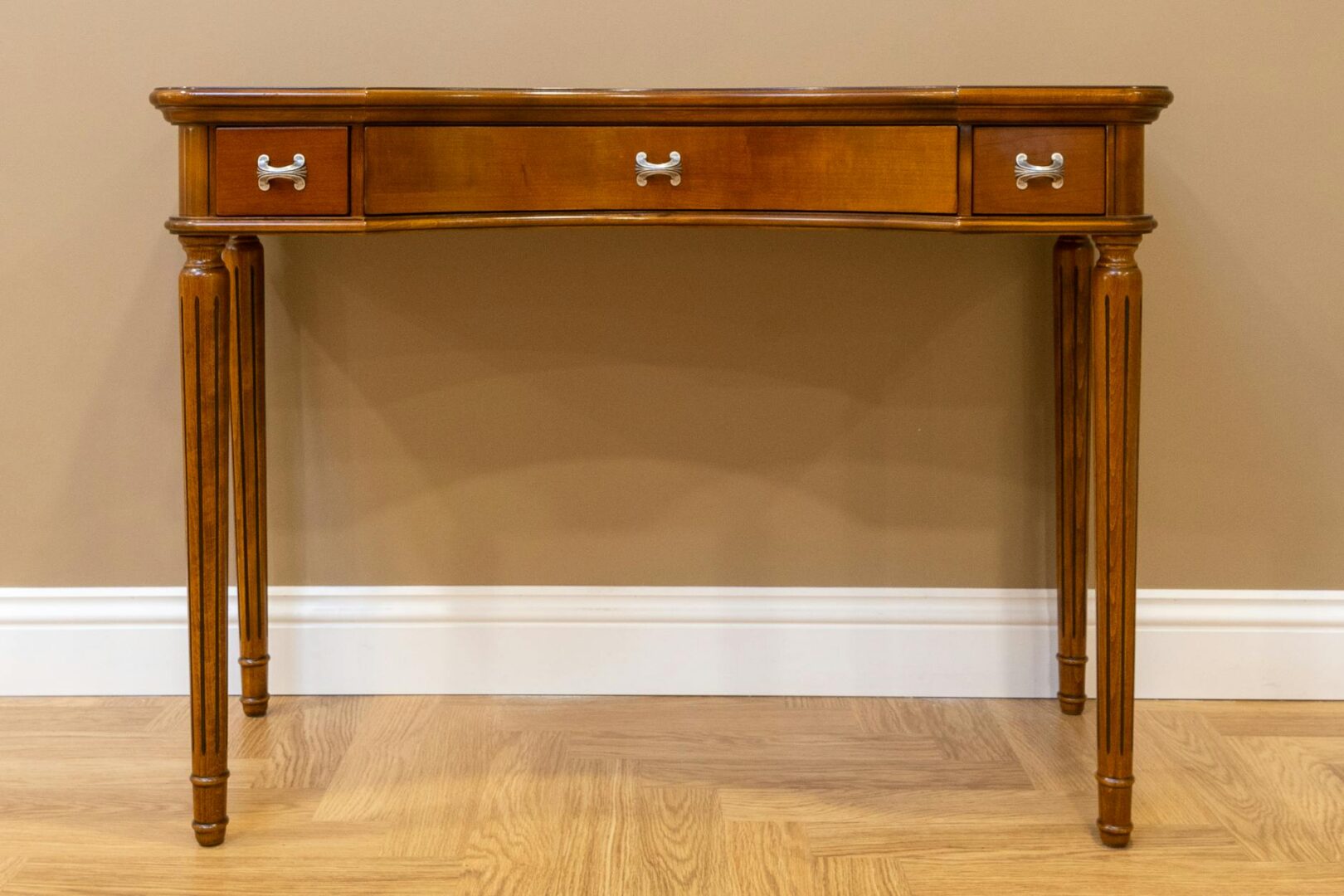
The most effective way to create an entryway where none exists is with a console table or an entryway bench placed perpendicular to your door. This does double duty: it gives you a landing spot for keys and mail while visually separating your entry area from the rest of the room.
Look for slim console tables that are 10-14 inches deep—they won’t eat up your floor space but provide enough surface for a catch-all tray and a table lamp. If you need seating, a backless bench works beautifully and won’t block sightlines across your room. Storage benches with lift-up seats are particularly clever for shoe storage in tight spaces.
For budget-conscious shoppers, simple wood console tables start around $150-$250. Mid-range options with drawers or lower shelves run $300-$600 and add much-needed storage. Splurge-worthy pieces in solid wood or with marble tops can reach $800-$1,200 but become statement furniture that anchors your entire space.
Use a Room Divider or Bookshelf as a Wall
Sometimes the best solution is to actually create a wall—just not a permanent one. A bookshelf or open shelving unit positioned behind or beside your entry point acts as a physical and visual boundary. The beauty here is you get wall-like separation plus bonus storage.
Open-back bookcases are ideal because they don’t completely close off the space, maintaining an airy feel while still providing definition. Look for units that are at least 5-6 feet tall to create genuine separation. You can use the shelves facing your living area for books and decor, while the back (facing your entry) can hold hooks for coats and bags.
Three-panel folding screens offer another flexible option, especially in rentals where you can’t make permanent changes. Choose screens with built-in shelving or those sturdy enough to mount adhesive hooks on. Woven, wood, or fabric screens add texture and style while carving out your entryway zone.
Anchor the Area with a Rug
Never underestimate the power of a rug to define space. Even without walls, a well-placed rug tells everyone—including you—”this is the entryway.” It’s also practical, catching dirt and moisture right where people come in.
Choose a rug that’s clearly different from any adjacent rugs in your living or dining area. A 3×5 or 4×6 foot rug works for most entryways. Prioritize durability: look for low-pile options in indoor-outdoor materials, jute, sisal, or tightly woven wool. These handle foot traffic and are easier to clean than plush, high-pile rugs.
Pattern and color matter here too. Darker rugs and busy patterns hide dirt better than light solids. If your door opens directly into a light-colored living space, a contrasting rug color helps establish that boundary even more clearly.
Add Vertical Storage Without Wall Mounting
The biggest challenge in a wall-free entryway is figuring out where to hang coats and bags. Freestanding coat racks and hall trees solve this perfectly—no drilling required.
Modern coat racks with weighted bases are surprisingly stable and take up minimal floor space. Hall trees combine a coat rack with a bench and sometimes cubbies or shoe storage underneath, making them excellent all-in-one solutions for small entries. Look for models with 4-6 hooks minimum and a sturdy construction—flimsy coat racks tip over easily when loaded with winter coats.
Another smart option: a leaning ladder shelf. These rest against whatever surface you do have (even a window) and provide hooks or rungs for bags and light jackets, plus shelf space for bins or baskets.
Creating an entryway without walls is really about using furniture to do what architecture didn’t. A console table, a defining rug, and vertical storage give you everything a traditional entryway offers—a place to drop your stuff, sit down to remove shoes, and a clear transition between outside and home. Start with one anchor piece that fits your space and budget, then build from there. Your front door will finally feel like an actual entrance, not just an awkward gap in your floor plan.
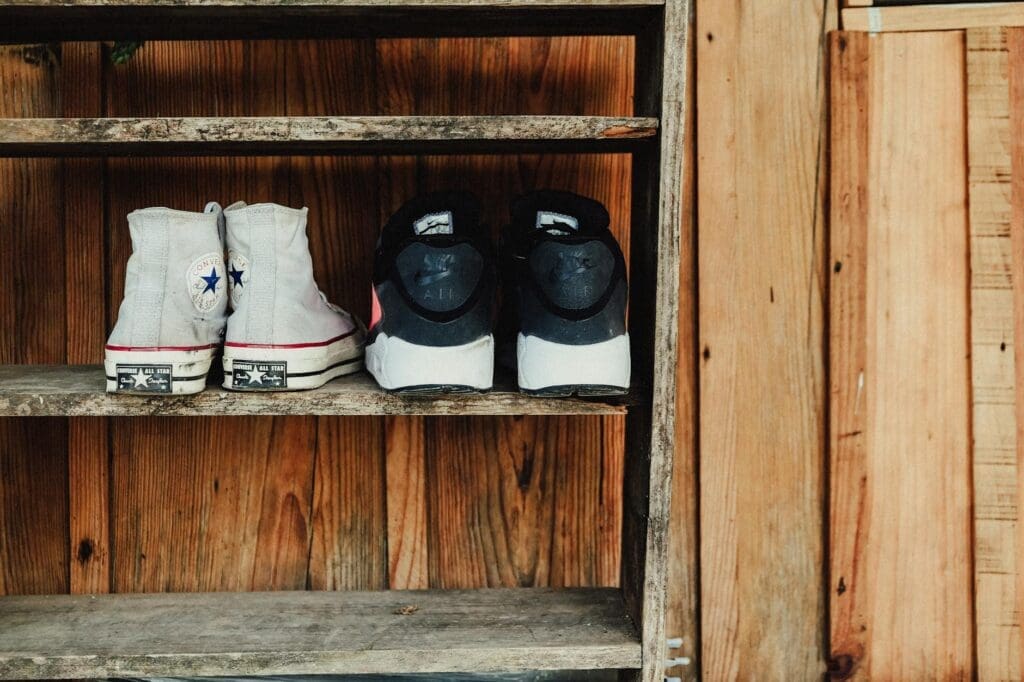
A cramped entryway with shoes scattered everywhere isn’t just frustrating—it’s usually the first thing you and your guests see when walking through the door. The good news? Even the smallest entryway can stay organized with the right shoe rack. The challenge is finding one that actually fits your space without making it feel even more […]
That pile of shoes by the door isn’t going to organize itself, and your coats deserve better than being draped over the nearest chair. A coat rack with built-in shoe storage solves both problems in one piece of furniture, making it perfect for entryways, mudrooms, or even bedroom corners where clutter tends to accumulate. The […]
A cramped entryway doesn’t mean you’re doomed to trip over piles of coats or hunt for misplaced keys every morning. The right coat rack can transform even the tiniest entry into an organized, welcoming space. The challenge is finding one that holds what you need without making your small entryway feel even smaller. Consider Your […]